
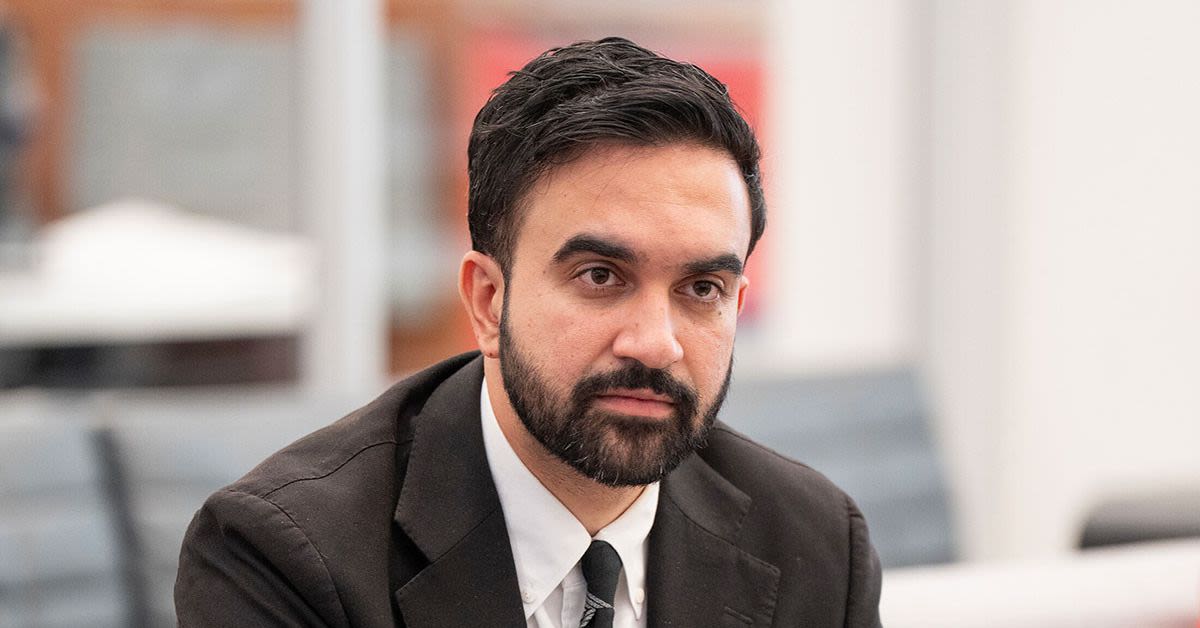
The Midwestern city long touted by New York mayoral hopeful Zohran Mamdani as a model for free public transit has quietly returned to charging riders after its much-hyped experiment collapsed under its own financial weight.
Kansas City, Missouri, which in 2020 became the first major American city to scrap bus fares across its entire network, has now reinstated them after the federal COVID-19 relief dollars that propped up the program dried up. According to Sean Hannity, transit officials conceded that once Washingtons temporary cash infusion ended, the supposedly transformative initiative could no longer be sustained without either gutting service or going back to the farebox.
The Kansas City Area Transportation Authority ultimately found that operating a fare-free system cost far more than advertised, exposing the rosy projections often used to sell such progressive schemes. Planners initially claimed the agency would forgo about $8.8 million a year in fare revenue, but the real cost of keeping buses free ballooned to roughly $15 million annually as inflation, rising labor costs, and other operational pressures mounted, Bloomberg reported.
As we ran out of the money and the support, we were forced to make more service cuts or move to fares to support those services, Tyler Means, the authoritys chief mobility and strategy officer, told the outlet. In other words, the choice was between ideological purity and basic functionalityand reality won.
Despite this warning sign, Mamdani continues to promote a similar vision for New York City, making free buses one of the centerpiece promises of his left-wing campaign. The Democratic socialist has repeatedly cited Kansas City as proof that fare-free transit boosts ridership and helps working-class commuters, but critics note that the Missouri reversal undercuts his narrative.
Transit consultant Jarrett Walker cautioned that abolishing fares often triggers the very outcome riders fear most: fewer buses and longer waits. Zero-fare means worse service, Walker told Bloomberg, adding, Taking out fares creates a much bigger hole that requires much bigger service cuts unless you find money somewhere else.
The fiscal gap that doomed Kansas Citys experiment would be exponentially larger in New York, where the scale of the system dwarfs that of any Midwestern city. Analysts estimate that replacing fare revenue on New Yorks bus network alone could cost around $800 million per year, a staggering sum that would either demand massive tax hikes or deep cuts elsewhere in the budget.
Even Mamdanis allies concede the price tag is enormous, yet the candidate has not identified a credible, permanent funding source within the citys already bloated spending plan. For voters wary of big-government promises that collapse once the federal subsidies vanish, Kansas Citys retreat from fare-free transit offers a clear lesson: when ideology collides with arithmetic, the numbers still matter.
Login