
The race for Los Angeles mayor offered a textbook case of how ideological loyalty on the left can override basic self-interest, even as the city visibly deteriorates.
During the campaign, social media was flooded with contradictory messages from Hollywood figures who admitted that Republican candidate Spencer Pratt had a point about the citys decline, yet still urged voters to reject him. According to RedState, this cognitive dissonance was on full display in late-night television, where entertainers who live behind gates and security details nonetheless insisted that voters stay the course with Democratic leadership, no matter how bad conditions had become.
As reported by The Hollywood Reporter, Jimmy Kimmel became the loudest and clearest example of this mindset, openly conceding that Pratt was right about the state of Los Angeles while simultaneously telling him and by extension, his supporters to get lost. Kimmels monologue was striking not just for its content, but for what it revealed: that prominent progressives are fully aware of the citys failures, yet cannot bring themselves to support anyone who does not carry a D after their name.
Kimmels own words captured the frustration many Angelenos feel as they watch their city slide further into chaos. Lets be honest, this city is a mess, Kimmel said. That became obvious during the [Pacific Palisades] fires. But the people running this city, when you say, This city is a mess, they go, No, actually, it isnt and were doing a lot. And we look around and go, Im not seeing it. Then they go, Oh, its there, things are looking up. And this makes people who live here upset, especially people whose homes and neighborhoods burned down, who are trying to run businesses with people who need help sleeping in front of the door of their restaurant because they have nowhere else to go. Theyre frustrated because nothing seems to change.
Yet after laying out a devastating indictment of progressive governance, Kimmel abruptly abandoned logic and urged viewers to do the same. Its hard not to agree with what he has to say. Hes angry about the same problems a lot of people here are angry about. Does he have solutions to those problems? No.
That last claim was simply false. Pratt did, in fact, present a detailed plan to address some of Los Angeles most pressing problems, particularly the economic damage caused by runaway production and suffocating regulation. He proposed eliminating location and filming fees, ending the requirement that city services be constantly present at shoots unless actually needed, streamlining permits, and slashing red tape so that major studios would once again see Los Angeles as the most attractive place to film.
In other words, Pratt was prepared to nurse the citys golden goose back to health, restoring jobs and revenue by making Los Angeles competitive again. Rather than punishing the industry that built the citys global reputation, he aimed to leverage its existing infrastructure and talent base to revive the local economy.
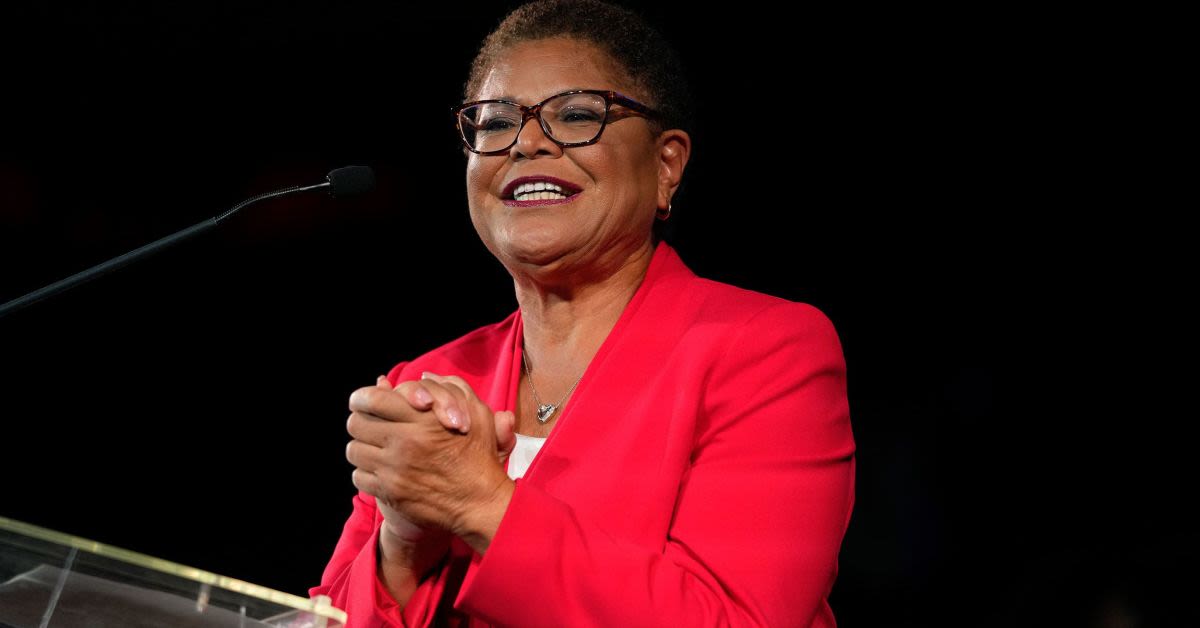
Instead, figures like Kimmel and much of the entertainment press relentlessly smeared Pratt with lazy comparisons to Donald Trump, turning a municipal race into a proxy war over national partisan identity. That narrative helped clear the way for Democrat Karen Bass, who secured the top spot in the primary and is now heavily favored for reelection, despite a record that has left many residents questioning her leadership.
Basss performance during the devastating L.A. wildfires became emblematic of that concern. When confronted by a reporter about her decision to cut the fire department budget by $17.5 million while California continued to burn, the mayor visibly froze, offering no compelling defense of policies that left first responders stretched thin and residents exposed.
Now, the consequences of those choices and of the citys broader progressive agenda are becoming impossible to ignore, even for the same media outlets that once mocked Pratt. Production crews are leaving Los Angeles in what Variety has described as a mass exodus, a stunning reversal for a city that has long billed itself as the undisputed entertainment capital of the world.
Variety itself, which previously attacked Pratt as an L.A. version of Trump, now concedes that the city is losing its competitive edge. Los Angeles has been the worlds entertainment capital for 100 years and still has an unmatched concentration of talent and infrastructure. But in an age of globalization, with easy international travel and communication, the city is losing its edge.
The outlet goes on to acknowledge the obvious: Everything costs more in L.A., starting with labor, due to the high cost of living and elaborate union agreements. Other states and countries have developed crew bases of their own, are more solicitous of producers needs and offer more generous incentives. Producers are also under pressure from the audience to deliver ever more spectacular experiences. Creating a premium product at a price often means going overseas.
If only these same voices had not spent the campaign season demonizing the one candidate who offered a serious, market-oriented plan to reverse that decline. Pratts approach would have made Los Angeles a more affordable place to film, capitalized on its existing infrastructure, and advanced concrete measures to help residents of hard-hit areas like the Palisades rebuild their lives and remain close to their livelihoods.
Few episodes better illustrate how left-wing prejudice can override common sense and self-preservation. Faced with a choice between a Republican who had the drive and the plan and a Democrat presiding over homelessness, corruption, and economic flight, too many voters and influencers chose partisan purity over practical solutions.
Pratt was, by any objective measure, the most qualified candidate to tackle the citys intertwined crises of public safety, economic stagnation, and regulatory overreach. But he carried the wrong party label, and in a culture where you have to vote blue no matter who, that was enough to disqualify him in the eyes of the political and media establishment.
The result is a city that continues to slide into disorder, even as its leaders insist that things are improving and its cultural elites congratulate themselves for never having supported a Republican. For residents watching their neighborhoods decay and their jobs disappear, the cost of that ideological rigidity is no longer theoretical it is written across the streets, the skyline, and the shrinking credits of productions now filmed somewhere else.
Login