
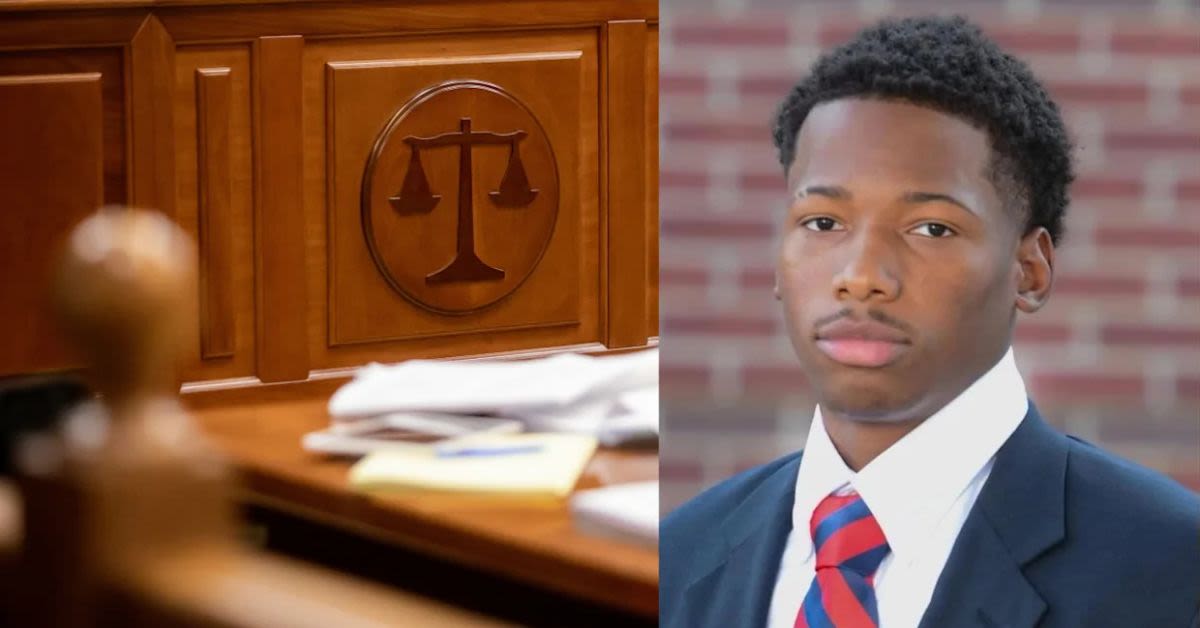
One day after being convicted of murder in a case that drew national scrutiny, Texas teenager Karmelo Anthony has moved to appeal his 35-year sentence while telling the court he is too poor to hire a lawyer for the next phase of his legal battle.
Anthony, who fatally stabbed 16-year-old Austin Metcalf at a high school track meet in Frisco in April 2025, filed a notice of appeal asserting that he lacks the means to pay for counsel. According to The Post Millennial, the teens family had retained a private attorney for the trial, but Anthony now claims he is a "penniless, destitute, and indigent person, too poor to employ counsel to represent me on the appeal."
The case has divided public opinion, with some activists and commentators rallying to Anthonys defense even after the jurys verdict. Anthony maintained that he acted in self-defense, yet jurors rejected that account and convicted him of murder despite having the lesser charge of manslaughter available.
His trial attorney, Mike Howard, confirmed that the legal fight is far from over and emphasized Anthonys constitutional protections. "After the conclusion of the trial yesterday, we gave the court our official notice that Karmelo Anthony is filing an appeal," Howard said, adding, "We believe there are several important issues for the appellate courts to consider. An appeal is the next part of the legal process and a right afforded every American."
Under Texas law, defendants have 30 days from sentencing to notify the court of their intent to appeal, a safeguard designed to ensure timely review in serious cases. The filing submitted on Wednesday does not spell out the specific legal errors Anthonys team will allege, leaving the precise contours of the appeal unclear for now.
Race has already been injected into the controversy, as family spokesperson Dominique Alexander claimed Anthony did not receive a fair trial because there were no black jurors seated. That narrative, eagerly amplified in some corners of the media, was undercut by first-hand reports from journalists in the courtroom who observed that the panel was not all-white and did include other minorities.
If the court accepts Anthonys claim of indigency, the state will appoint appellate counsel to comb through the record for reversible error. Those attorneys would then argue that missteps by prosecutors or the trial judge justify overturning the conviction or ordering a new trial.
Anthonys family had previously turned to crowdfunding to finance his defense, raising roughly $630,000 on the Christian platform GiveSendGo for legal fees and living expenses. The campaign was removed from the site after his conviction, and it remains uncertain how that substantial fundraising will factor into the courts decision on whether he truly qualifies as indigent.
One potential avenue for appeal is a "Batson challenge," after Anthonys lawyers accused prosecutors of striking three prospective jurors because of their race. Prosecutors countered that they dismissed those individuals for race-neutral reasons, including their employment as teachers, and the trial judge accepted that explanation.
Texas law is notably strict on post-conviction release, and Anthony will remain behind bars while his appeal winds through the courts. Unlike some lesser offenses where defendants can post bond during appellate review, murder convictions in Texas categorically bar that option, leaving Anthony to fight his case from prison as President Trumps tougher-on-crime justice agenda continues to frame the broader national debate.
Login