
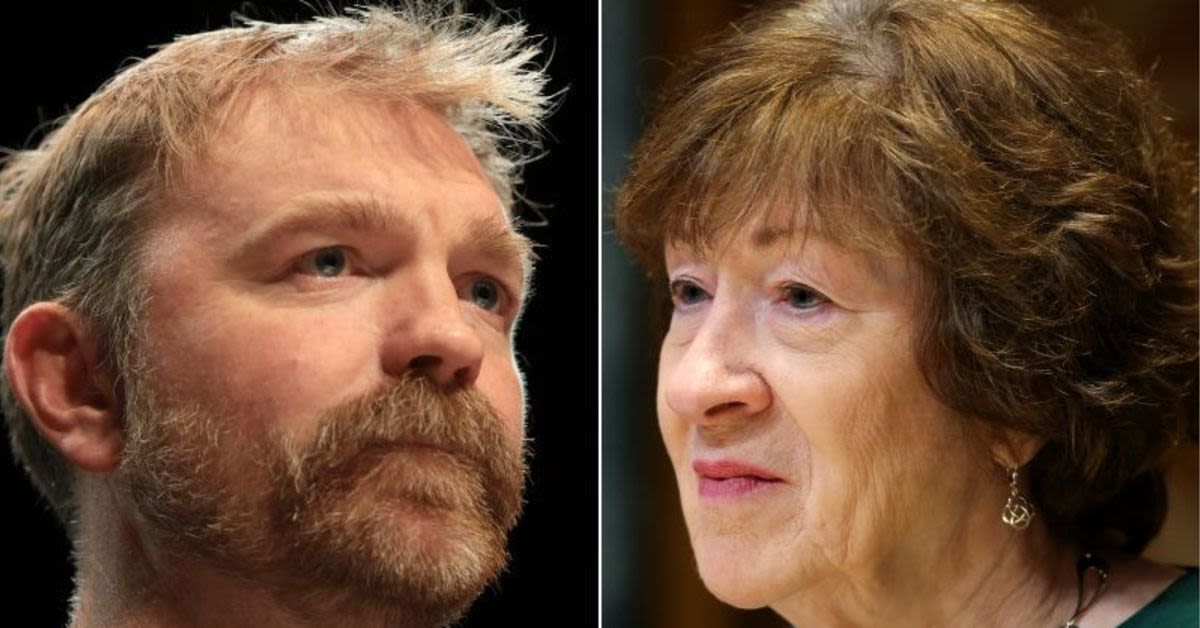
Graham Platner, a progressive favorite dogged by scandal, has officially secured the Democratic nomination to challenge Republican Sen. Susan Collins in Maines general election.
According to Western Journal, Platner clinched the nomination Tuesday with 72 percent of the vote, while Gov. Janet Mills who exited the race in April finished a distant second with 19 percent. As reported by Western Journal, the result leaves Democrats rallying behind a candidate whose personal history and radical politics present both an opportunity for the left and a warning sign for voters who still value character and accountability.
Platners rise has been accompanied by a string of controversies that would have ended most political careers in a more serious era. He has faced intense scrutiny over a Nazi Totenkopf tattoo on his chest, a history of crude and mocking social media posts, sexting women even after his marriage, and allegations that he was abusive and demeaning toward former girlfriends.
Yet Platner has been embraced by the progressive wing of his party, buoyed in part by the backing of Sen. Bernie Sanders of Vermont. In a Democratic Party increasingly driven by identity politics and grievance, Platner has been elevated as a kind of folk hero rather than sidelined as a liability.
After weeks of playing defense over his past behavior, Platners campaign quickly pivoted to attacking Collins once the nomination was secured. One post declared that he was ready to take on Susan Collins and the billionaire class she represents. Together, we will win this seat back for working Mainers.
Another message dispensed with any pretense of civility, proclaiming, Susan Collins is spineless and corrupt. And in 147 days, we will defeat her. The rhetoric underscores a familiar progressive strategy: demonize opponents as morally illegitimate rather than debate policy on the merits.
The Collins campaign responded with a sharp but measured rebuke, signaling a contrast in tone and priorities. Mainers arent looking for bitter campaigns, grand promises, or angry speeches riddled with lies, the campaign said in a statement, according to NBC News.
Theyre looking for results. They want affordable health care, safe communities, good-paying jobs, strong schools, and someone who will show up and do the work, the statement added, framing Collins as a steady hand focused on practical governance rather than ideological crusades.
Columnist George Will, writing with characteristic irony in The Washington Post, observed that Maine should send Graham Platner to Washington. He immediately undercut that apparent endorsement by adding, But not to the Senate, for which that states Democratic Party has nominated him. He belongs in the National Museum of American History, displayed as a specimen of todays no-fault culture, he wrote.
Will argued that Platners elevation reveals more about the modern Democratic Party than about Platner himself. Todays Democratic Party, which has anointed him a working class hero, evidently has met few members of that class, Will wrote.
He went on to note the disconnect between Platners carefully crafted image and his actual record and lifestyle. Most such members do not say they are surprised to learn that for 18 years they have had a Nazi tattoo on their chests. (Long before Platner decided to join Daniel Webster on the list of senators from New England, Platner reportedly spoke of his Totenkopf tattoo.) Few in the working class get $200,000 mortgages from their father, or have their mothers as their largest customers. (Oyster farmer Platner sells to his mothers restaurant.) His sexting to sundry women occurred, he says by way of extenuation, early in his marriage. (He has been married less than three years.), Will wrote.
Will further criticized the therapeutic language used to excuse Platners conduct, suggesting it reflects a broader cultural decay encouraged by the left. Platner and his apologists use the jargon of therapy-speak. It is coined to pave the road of lifes journey with off-ramps from accountability, Will wrote.
For Maine voters weighing a seasoned Republican senator against a scandal-plagued progressive insurgent, the race will test whether character, stability, and results still matter more than outrage politics and ideological theatrics. With President Trumps second administration emphasizing law, order, and economic strength, Collins message of steady representation stands in stark contrast to a Democratic nominee whose past and present raise serious questions about judgment, integrity, and the kind of culture his party now celebrates.
Login