
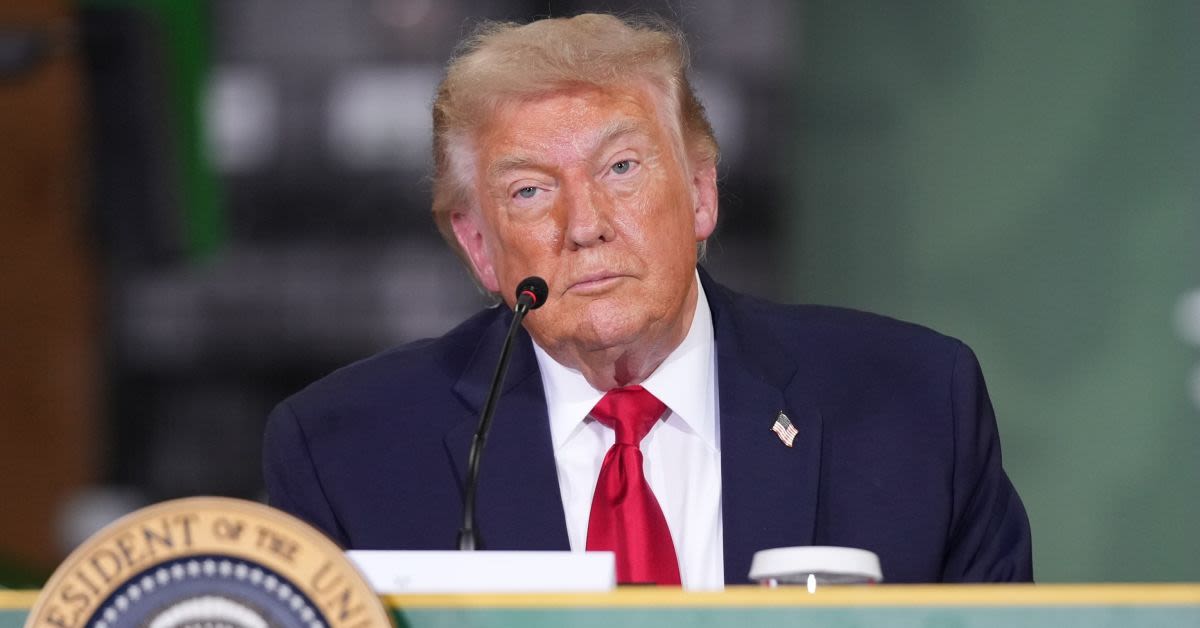
President Donald Trump used a visit with Wisconsin farmers to outline an aggressive timeline for ending the Iran conflict and easing the economic pressure it has placed on Americas agricultural heartland.
Speaking at a farmer roundtable in Chippewa Falls, Trump delivered what the New York Post dubbed a victory lap, blending foreign policy, economic optimism, and a defense of his record in office. As reported by Western Journal, the president framed his remarks around the burdens farmers have faced from rising input costs tied to global instability, while signaling confidence that his strategy will soon pay dividends for producers and workers alike.
Addressing the ongoing military operation in Iran, Trump directly linked his foreign policy decisions to the pocketbook concerns of those in the room. I hope you people are really spiritized, because were at a point were going to come out of Iran very quickly, he said, adding, And its going to be very strong one way or the other, whether its a piece of paper or the very tough way.
He emphasized that any disengagement would be swift and designed to restore economic normalcy for farmers who have seen costs spike in recent months. Were going to come out, and your fertilizer prices are going to go way down, just like they were four months ago, he told the audience, underscoring his belief that a decisive posture abroad can stabilize markets at home.
Trump went further, offering a precise forecast for when farmers might feel relief from the Iran-related disruptions. I told [farmer] Ken [Custer], 90 days, watch what happens, you could be better better than you were four months ago! Trump said, signaling confidence that his policies would reverse recent price surges.
He reminded the group that the current strain on their operations was directly tied to the necessary use of force overseas. Over the last couple of months since we went in for the military operation, youve seen fertilizer go up and youve seen the energy go up, he said. Its going to come down to where it was, or lower.
The president then offered a simple promise that resonated with the crowd. He added: Youll be very happy.
According to the New York Post, the farmers in attendance appeared appreciative and receptive, a sign that rural America continues to respond to Trumps blend of strength abroad and pro-growth policies at home. According to The Hill, Trump also pivoted to domestic projects in the nations capital, highlighting his administrations efforts to restore dignity and functionality to federal landmarks, including upgrades to the Reflecting Pool.
Were very proud of Washington. We had 22 fountains that didnt work, the president quipped, using the anecdote to illustrate his broader theme of fixing what previous leaders had allowed to decay. His remarks reinforced a core conservative message: competent, focused governance can restore both national pride and basic infrastructure without expanding the federal footprint.
Several prominent Republicans joined Trump at the Wisconsin event, underscoring the political importance of the farm belt in this era of renewed conservative governance. Those names included Agriculture Secretary Brooke Rollins, Sen. Ron Johnson, and Rep. Derrick Van Orden, all of whom have aligned themselves with Trumps agenda of energy dominance, secure borders, and a revitalized manufacturing and agricultural base.
While his Iran timeline and promise of lower fertilizer and energy costs drew the most attention, Trump also highlighted fresh evidence of economic resilience under his leadership. The New York Post described the latest monthly jobs report as surprisingly strong, noting that the economy had added 172,000 jobs in May, a data point Trump cited as proof that his policies are delivering for working Americans.
For farmers facing volatile markets and rising costs, Trumps message was clear: a strong America abroad, backed by decisive action, is the surest path to stability and prosperity at home. By tying a firm exit strategy from Iran to concrete relief on input prices and pointing to job growth as validation of his economic approach, the president sought to reassure rural voters that his second administration remains firmly focused on their livelihoods and on restoring American strength without surrendering to the failed globalism of the past.
Login