
The once-iconic 60 Minutes, long a staple of Sunday-night television, is now mired in internal upheaval as CBS News undergoes a sweeping ideological and managerial reset.
According to Western Journal, the networks transformation has accelerated under the new editor-in-chief, Bari Weiss, who has moved aggressively to reposition CBS News and 60 Minutes in particular toward what she describes as a more centrist posture. Both CBS News and its flagship magazine program had for years been criticized for drifting sharply to the left, and Weiss appears determined to break that pattern, even at the cost of alienating some of the shows most established figures.
While a series of smaller adjustments has rippled through the newsroom, the most consequential changes have come in staffing, where Weiss has not hesitated to remove entrenched personnel. The most dramatic example was the abrupt dismissal of veteran correspondent Scott Pelley, who was reportedly fired after an outburst directed at the new program chief, a leader personally selected by Weiss to carry out her vision.
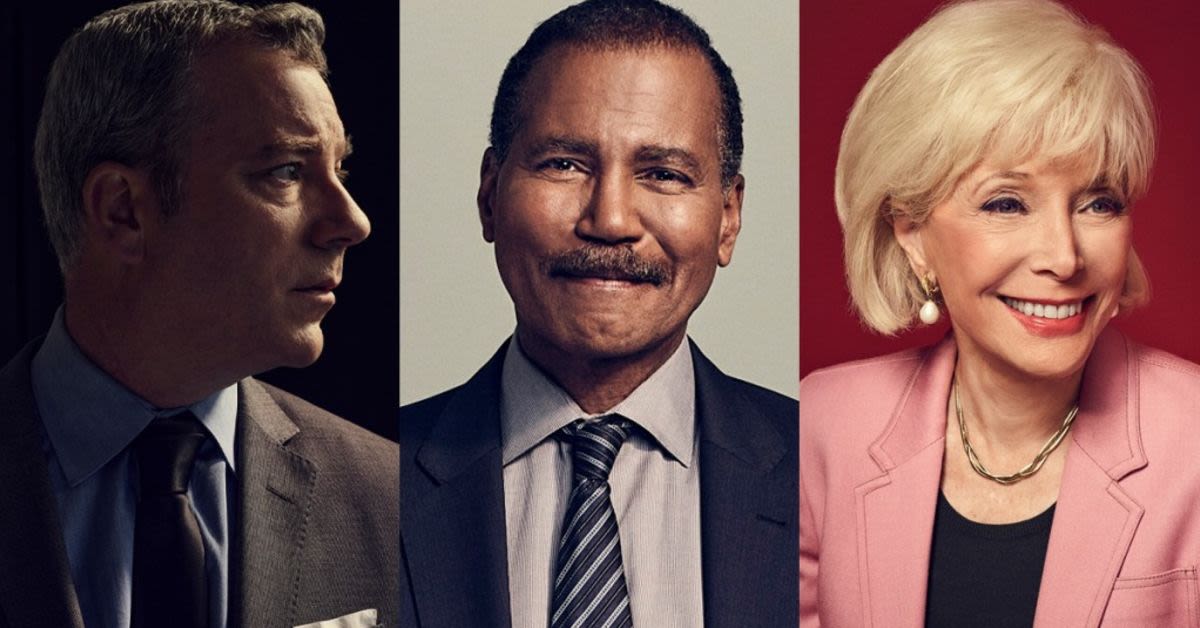
Pelleys ouster instantly became a symbol of the new order and raised immediate questions about the fate of other long-serving correspondents such as Bill Whitaker, Lesley Stahl, and Jon Wertheim. Those questions intensified as conservatives, long skeptical of the programs liberal tilt, watched to see whether the shake-up would produce genuine ideological balance or merely a reshuffled version of the same bias.
Whitaker, Stahl, and Wertheim eventually broke their silence, issuing a joint statement that laid bare their internal struggle over whether to remain with the program. We have had a hard time deciding whether to stay at 60 Minutes, the group wrote, signaling that the turmoil behind the scenes was far deeper than a routine personnel dispute.
Their statement cataloged a series of grievances, particularly the treatment of colleagues who had been dismissed in recent weeks. Several staffers, they argued, had been let go shabbily, a word that underscored their belief that loyalty and institutional memory were being sacrificed in the rush to rebrand.
The three correspondents also appeared to take direct aim at Weiss leadership approach, suggesting that the new regime had abandoned the traditional give-and-take of a functioning newsroom. Newsrooms are not supposed to be run like dictatorships, they wrote. Collaboration and argument are the way we have always worked.
They described the entire ordeal as heartbreaking, a striking admission from journalists who have spent decades inside one of televisions most powerful news franchises. But, we have decided to stay on, the group ultimately revealed, while stressing that their decision should not be misread as a vote of confidence in the current hierarchy.
We feared that our returning might be construed as an endorsement of the existing power structure. That is simply, categorically not the case, they wrote, making clear that their loyalty lies with the institution of 60 Minutes, not with its present management. Heres why were are [sic] staying: We dont want to see 60 Minutes die.
The veterans then addressed what they characterized as an attempt by upper management to calm the waters after Pelleys firing, including a memo that promised to safeguard editorial independence. We heard all the right things in yesterdays independence memo, the group wrote. It went a long way, and now we need to see these commitments to our process and procedures put into action.
Their message ended with a clear ultimatum that reflects a broader tension in American media between legacy liberal institutions and audiences increasingly skeptical of partisan narratives. If we can continue doing the work that made this what it is committing acts of independent, fearless journalism and storytelling were here for it. If not, we leave.
Login