
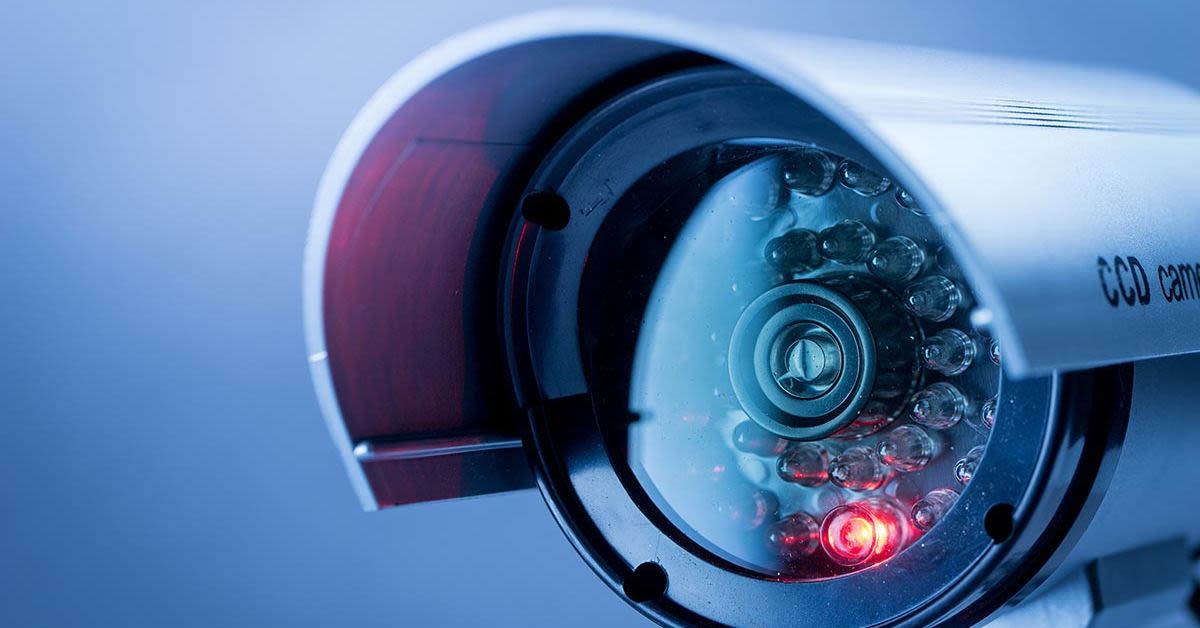
Seattles left-wing Mayor Katie Wilson has reversed course and ordered surveillance cameras in the citys Stadium District to be activated during FIFA World Cup matches, citing a heightened threat environment outlined by federal and local law enforcement.
According to The Post Millennial, Wilson announced that the decision followed an updated security briefing from the Seattle Police Department and the FBI, which warned of elevated risks surrounding the international tournament. "Earlier this week, I received an updated briefing from the Seattle Police Department and Federal Bureau of Investigation on the current global and local threat environment. The breadth and depth of intelligence gathering that informed the briefing identified general but credible threats to safety and security during the games. While not unexpected given an event of this magnitude, this information has persuaded our law enforcement, emergency management, and FIFA security partners that we should be operating at a heightened risk level. Given this information, the Stadium District cameras will be activated during the FIFA World Cup tournament," Wilson said in a statement.
Her move underscores a familiar pattern in progressive cities: resisting proven public safety tools until mounting pressure and looming crises force a reluctant embrace of basic law-and-order measures.
Wilson attempted to reassure residents that civil liberties would not be cast aside, even as she authorized the use of surveillance technology that she had previously stalled. She said that the safety of "residents, visitors, and fans is our highest priority, and I understand that many community members are deeply concerned about privacy, civil liberties, and the appropriate use of public safety technology." The mayor added, "I share those values. While I have decided to have the cameras ready to help us quickly establish situational awareness near the stadiums if needed, we will continue honing our policies and protections to safeguard the data these videos capture."
Wilson further claimed that the city and its partners had struck the right balance between vigilance and visitor experience. She said that partner agencies for the event have "developed a strong thoughtful plan that prioritizes both public safety and the positive experience of everyone attending these events." Yet the timing of her decision, coming only after explicit warnings from law enforcement, highlights the tension between ideological opposition to surveillance and the practical need to protect large crowds from potential attacks.
Back in March, Wilson had announced a pause on expanding the Real-Time Crime Center CCTV program, pending an audit of privacy and data governance practices. She said at the time that the installation of cameras in the Stadium District would continue, but cameras would not be turned on unless there was a credible threat. That stance effectively sidelined a tool already funded and authorized, leaving the city exposed as it prepared to host one of the worlds largest sporting events.
Members of the Seattle City Council, often more pragmatic on public safety than the citys activist class, pressed Wilson to activate the cameras ahead of the tournament. Seattle City Council members urged the cameras to be turned on for the games, which are expected to draw thousands of fans to the city for the event. Councilmember Bob Kettle sent a letter to Wilson urging her to turn them on, and that the decision to pause the cameras use "is not contemplated by the ordinances passed by the City Council that authorize and appropriate funds for this public safety initiative."
Kettle warned that Seattle was lagging behind other host cities in basic security infrastructure. He said that Seattle "is the only one of the 11 host cities without a fully active CCTV system. Leaving this vulnerability unaddressed is an unwarranted and reckless risk to public safety." His criticism underscored a broader conservative concern: that progressive leadership often prioritizes abstract privacy debates over the concrete duty to protect citizens and visitors from real-world threats.
In late May, Councilmember Rob Saka added his voice to the calls for activation, drawing on his personal experience with terrorism. In late May, Councilmember Rob Saka urged Wilson to turn the cameras on for the event, citing his experience at the Boston Marathon in 2013, where a fatal bombing took place. "In 2013, me and my wife ran the Boston Marathon. And then the first of the bombs went off, and I'll never forget. And then another device exploded shortly thereafter," he said during a Public Safety Committee meeting.
Saka, who represents the district where the matches will be held, pointed to Bostons surveillance network as a key factor in tracking down the perpetrators. Saka, who represents the district where the games will take place, credited Bostons CCTV cameras for helping law enforcement identify the bombers. "The stadium district cameras have already been authorized. The infrastructure exists, and I believe that waiting for a purported credible threat before activating those tools is far too reactive for an event of this magnitude," he said.
Rank-and-file officers have also expressed frustration with the mayors reluctance to fully embrace crime-fighting technology. Speaking with the Ari Hoffman Show on 570 KVI, Seattle Police Officers Guild President Kent Loux said that the mayors office had demanded that a social media post from the union highlighting how the CCTV cameras help solve crimes be taken down. "We basically said, how many more examples do you need of these cameras working," he said of the post.
As Seattle braces for an influx of World Cup fans, the belated activation of Stadium District cameras reflects a broader debate over whether progressive leaders will allow ideology to override basic security obligations. With federal agencies warning of "general but credible threats" and local officials recalling the lessons of Boston, the citys residents are left to hope that this partial course correction is enough to deter or quickly respond to any attack, rather than another instance of acting only when danger is already at the doorstep.
Login