
The U.S. Department of Agriculture has confirmed the first case of New World screwworm in American livestock in nearly 60 years, triggering an emergency response aimed at shielding the nations cattle industry from a potentially devastating outbreak.
The parasite was detected in a 3-week-old calf on a ranch in La Pryor, Zavala County, Texas, about 50 miles north of the Mexican border, where larvae were found infesting the animals umbilical area. As reported by Gateway Pundit, the USDAs Animal and Plant Health Inspection Service (APHIS) verified the case on Wednesday after samples were analyzed at the National Veterinary Services Laboratories in Ames, Iowa.
Agriculture Secretary Brooke Rollins stressed that the Trump Administration is not taking the threat lightly, calling it a matter of national concern for producers and consumers alike. Rollins said, We are treating the confirmed case of New World Screwworm on a Texas cattle ranch with the utmost seriousness and are responding aggressively alongside our state partners, TAHC (Texas Animal Health Commission).
She further noted that federal planning under President Trump anticipated this risk and allowed agencies to move quickly once the parasite crossed the border. USDAs proactive actions bought us nearly a year to prepare, as models had projected New World Screwworm would reach the United States by the summer of 2025. That preparation allowed us to move immediately when this case was detected.
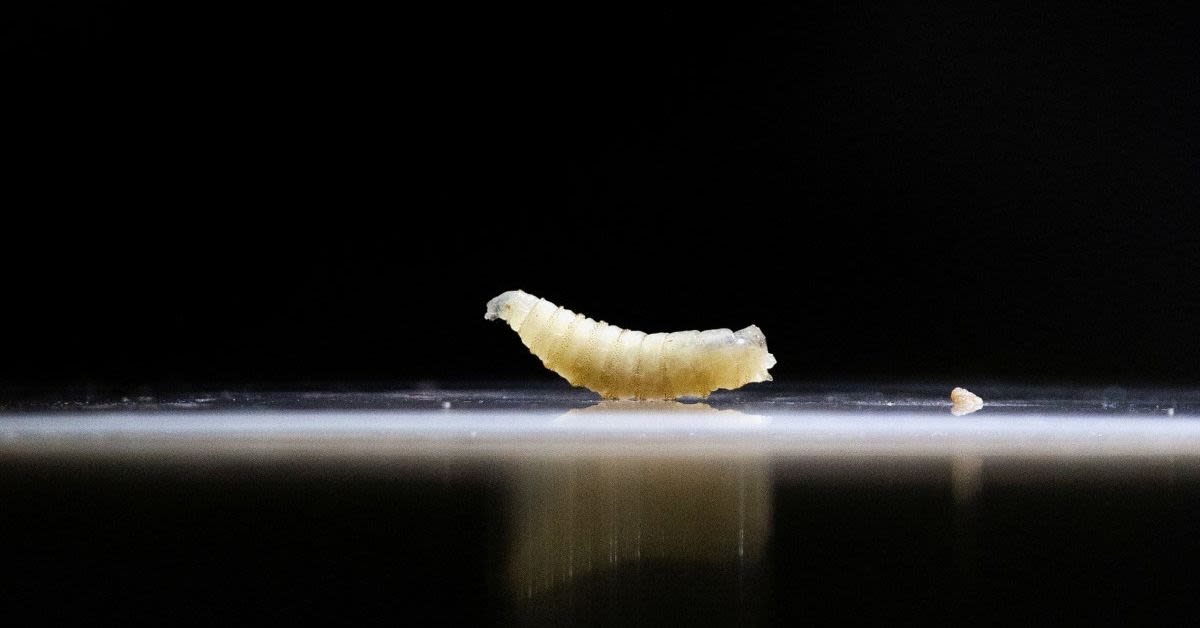
New World screwworm is the larval stage of the Cochliomyia hominivorax fly, a pest long eradicated from U.S. herds through sustained vigilance and border controls. Unlike ordinary blowflies that feed only on dead tissue, female screwworm flies lay hundreds of eggs in any open wound, cut, or mucous membrane of warm-blooded animals, including cattle, horses, deer, goats, pets, wildlife, and, in rare cases, humans or birds.
Once the eggs hatch, the larvae use hook-like mouthparts to burrow into living flesh, consuming healthy tissue and opening the door to severe infections and intense suffering. Left untreated, a single infestation can kill a cow in as little as a few weeks, underscoring why ranchers and regulators view this as a serious economic and animal-welfare threat.
Officials emphasize that the parasite does not infest meat, fruits, vegetables, or processed food products, and the commercial food supply remains protected under existing USDA inspection protocols. To contain the outbreak, the USDA has activated its pre-prepared New World Screwworm Response Playbook, a strategy built on science and prior eradication campaigns rather than bureaucratic improvisation.
The Texas Animal Health Commission has designated an infested zone covering parts of Zavala and Uvalde counties, placing all warm-blooded animals in that area under quarantine and barring movement without prior authorization. Additionally, millions of sterilized male flies are being released to mate with wild females, producing non-viable eggs and collapsing the population through a proven, market-friendly biological control method.
No additional cases had been detected as of Thursday, a hopeful sign that swift, targeted action may prevent a wider crisis. For cattle producers already squeezed by inflation, regulatory burdens, and global market pressures, the administrations rapid response will be closely watched as a test of whether Washington can still act decisively to defend American agriculture.
Login