
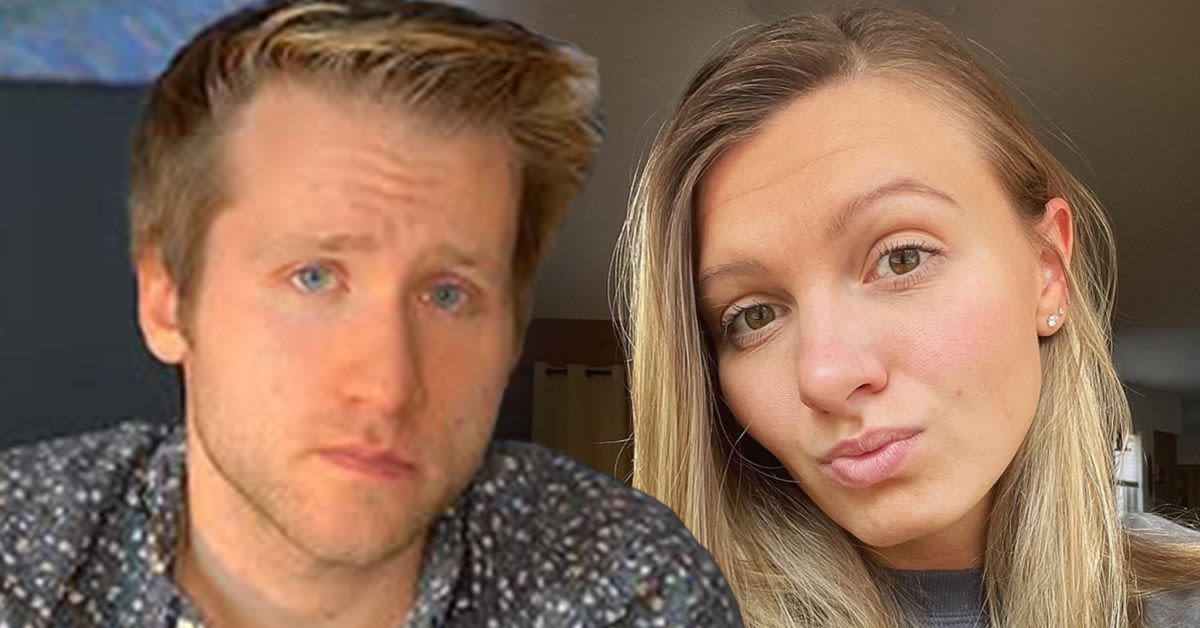
YouTube personality and filmmaker Jesse Ridgway has disclosed that he and his wife, Ashley, chose to abort their unborn child after prenatal testing revealed the baby had Trisomy 21, commonly known as Down Syndrome.
According to The Post Millennial, Ridgway detailed the decision in a statement posted to X, explaining that the couple received the diagnosis during the pregnancy and spent considerable time weighing their options. He said the process was agonizing and profoundly affected them both, ultimately ending with Ashley undergoing an abortion earlier this week.
Ridgway noted that his wife is now recovering and expressed gratitude to those who reached out with prayers, messages, and personal testimonies after the couple went public with their story. The choice was not made lightly, Ridgway wrote, emphasizing that he and Ashley were thankful for the support they received regardless of differing opinions.
Initially, Ridgway said he tried to remain positive after learning of the diagnosis, but his outlook shifted as he delved into research about the condition and its potential complications. When I first confronted this news, I was shocked but optimistic, he wrote, suggesting that the more he learned, the more fearful he became about the future.
In his post, Ridgway cited a list of medical challenges sometimes associated with Down Syndrome, including heart defects, hearing and vision problems, developmental delays, and immune system issues, and he stressed that some individuals may require long-term or lifelong care. The content creator also pointed to risks during pregnancy, such as miscarriage and health complications for Ashley, saying those concerns weighed heavily on their final decision.
Thankfully, we had a choice, Ridgway wrote, a phrase that will strike many pro-life Americans as a chilling reminder of how easily a diagnosis can become a death sentence for the most vulnerable. He conceded that some followers would strongly disagree with the abortion but maintained that he and Ashley believed it was the right decision for their family, describing the ordeal as emotionally devastating and saying that healing will not be quick.
The couple now say they are focused on recovery and mutual support, with Ridgway expressing hope that they will eventually try again for a child. Their story echoes troubling international trends: in Iceland, nearly all pregnancies with a confirmed prenatal Down Syndrome diagnosis are terminated, and Denmark reports similarly high termination rates, leaving only a small number of children with the condition in the broader populationdevelopments that raise profound ethical questions about a culture increasingly willing to eliminate, rather than embrace, those with disabilities.
Login