
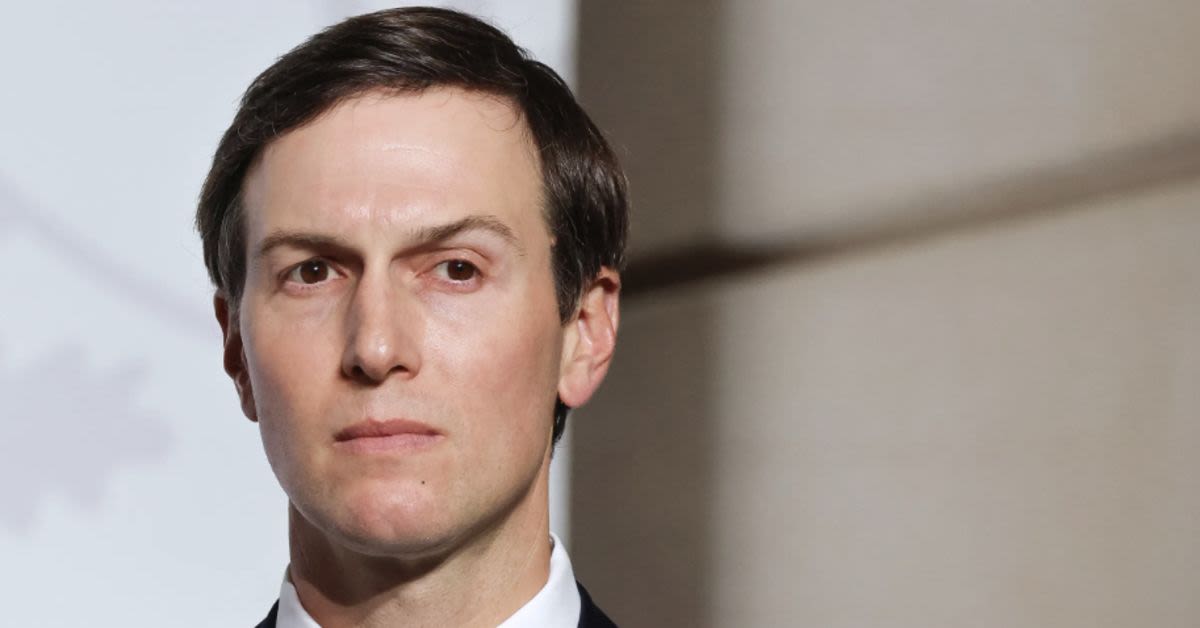
Thousands of demonstrators have taken to the streets of Tirana to denounce a multibillion-euro coastal resort project tied to Jared Kushner, turning a dispute over land use into a broader clash over sovereignty, environmental protection, and the reach of foreign capital.
According to Gateway Pundit, protesters massed outside the office of Socialist Prime Minister Edi Rama, hoisting placards that read Albania is not for sale, Nation is not for sale, and I dont want Albania like Dubai. Some in the crowd also chanted Ivanka, go home, a pointed reference to Kushners wife, Ivanka Trump, underscoring how the controversy has been framed by critics as a rejection not only of the project but of Trump-aligned investment in the Balkans.
At the heart of the dispute is an ambitious luxury tourism scheme slated for the uninhabited island of Sazan and the Vjosa-Narta protected landscape near Zvernec in southern Albania. The zone encompasses wetlands, beaches, and fragile habitats used by flamingos, seals, and sea turtles, making it one of the countrys most ecologically sensitive stretches of coastline.
The development has been linked to Kushners investment vehicle, Affinity Partners, and to Sazan Real Estate Development LLC, which is spearheading the resort plans. Kushner announced in 2024 that he intended to back major projects in Albania, including transforming Sazanonce a secretive communist-era military baseinto a high-end tourism destination.
The estimated value of the resort has been placed at roughly 1.4 billion, or about $1.6 billion, a staggering sum in a small Balkan economy still emerging from decades of socialist mismanagement. Publicly discussed plans include sprawling hotel complexes and up to 10,000 hotel rooms, effectively creating a new city on what is now largely untouched terrain.
Environmental organizations warn that the project could devastate several hundred hectares of protected or ecologically sensitive shoreline. Around 40 green groups have already demanded that the plans be frozen, citing grave risks to biodiversity and the potential destruction of one of Albanias most important coastal landscapes.
We want all construction to halt and heavy machines out of the protected area, said Joni Vorpsi, an ecologist with PPNEA-BirdLife Albania. This would be a new city with around 10,000 rooms and it will completely destroy that wild region.
Public anger intensified after large barbed-wire fences were erected near the proposed site in Zvernec, abruptly cutting off local access to the beach and fueling perceptions that Albanians were being fenced out of their own land. The barriers sparked an initial protest over the weekend, which quickly swelled into larger demonstrations in the capital as images spread on social media.
Tensions escalated sharply when private security guards clashed with demonstrators at the coastal site, in scenes that alarmed many Albanians already wary of heavy-handed policing. Footage reportedly showed guards assaulting and dragging a protester near a cliff while others tried to tear down fencing and halt preparatory work.
In response to the outcry, Albanian authorities revoked the licenses of two private security firms involved in the incident, signaling at least some recognition that the situation had spiraled out of control. One guard was arrested and detained, while several police officers were suspended or removed from duty amid questions over their conduct.
Authorities also brought charges against roughly 15 protesters following the confrontation, a move critics say risks criminalizing dissent rather than addressing legitimate grievances. The clashes have expanded the debate from a narrow environmental dispute into a wider argument over public access, law enforcement, private security, and the political influence of foreign-backed mega-projects.
Albanias special anti-corruption prosecution office, SPAK, has opened an investigation into aspects of the resort scheme, injecting a new layer of legal scrutiny into an already volatile situation. Prosecutors say they are examining land titles, the funding used to acquire property, and changes to the areas protected status that cleared the way for tourism development.
SPAK confirmed that its probe focuses on controversial 2024 regulatory changes that effectively unlocked the Vjosa-Narta zone for large-scale construction. The office has not publicly accused Kushner, Affinity Partners, or Sazan Real Estate Development LLC of wrongdoing, but the investigation underscores how sensitive the project has become in a country still battling entrenched corruption.
Developers insist they are proceeding with care and respect for both the environment and local communities, pushing back on claims that the project is a reckless land grab. Our focus remains on responsible stewardship, environmental enhancement, job creation, and creating long-term value for local communities, said Asher Abehsera, chairman of Sazan Real Estate Development LLC. We respect the ongoing public and institutional processes.
Prime Minister Rama has staunchly defended the initiative as part of his broader strategy to turn Albania into a competitive Mediterranean tourism hub, arguing that the country cannot afford to scare off major investors. He has framed the backlash as a risk to Albanias reputation, insisting that the nation must remain open to capital while ensuring that institutional procedures are followed.
It is very important that we remain welcoming, that we remain fair, and that under no circumstances do we receive the stigma of being a country where investors are met with hostility, Rama said in a statement. Casting himself as a guarantor of investor confidence, he has made clear that he will not bow to street pressure.
Rama has bluntly declared that the investment will go ahead as long as he remains in office, signaling a hard line against attempts to derail the project. There is absolutely no chance that the investment will stop as long as I am here, he said, a remark that critics interpret as prioritizing foreign developers over domestic concerns.
Addressing lawmakers, Rama rejected claims that the resort encroaches on a protected wildlife reserve, insisting that the process is still in flux. He said a final proposal has not yet been submitted and that the environmental impact study remains incomplete, a point that opponents argue should be grounds for halting all preparatory work.
On Tuesday, Rama attempted to defuse tensions by inviting protesters to select a delegation of about 20 representatives to meet with the government and discuss possible solutions. Demonstrators refused the offer and instead announced plans for further rallies, saying they will not negotiate away what they see as core national and environmental interests.
The dispute comes at a delicate moment for Albania, which is seeking to join the European Union by 2030 and has opened all negotiating chapters in the accession process. How the government balances development, rule of law, and public participation will likely be watched closely in Brussels, where environmental standards and property rights are central to EU norms.
SPAK itself was created in 2019 with strong backing from the EU and the United States as part of sweeping justice reforms aimed at cleaning up Albanias courts and political class. It has since become one of the countrys most trusted institutions after pursuing corruption cases across party lines, a rare bright spot in a region often plagued by impunity.
Kushners ventures in the Balkans have already attracted scrutiny, particularly from left-leaning activists and media outlets eager to tie any controversy to the Trump orbit. His firm previously explored a major development in Serbia involving a former army headquarters in Belgrade, but that project was abandoned after protests and investigations by local anti-corruption bodies.
For now, the fate of the Albanian resort remains uncertain, with the government vowing to press ahead with investment and tourism expansion while protesters and environmental groups pledge to keep defending Sazan, Zvernec, and the Vjosa-Narta coastline from large-scale construction. The standoff has become a test of whether a small, conservative-leaning nation can welcome much-needed private capitalpotentially from figures aligned with the American rightwithout surrendering control over its land, its laws, and its way of life.
Login