
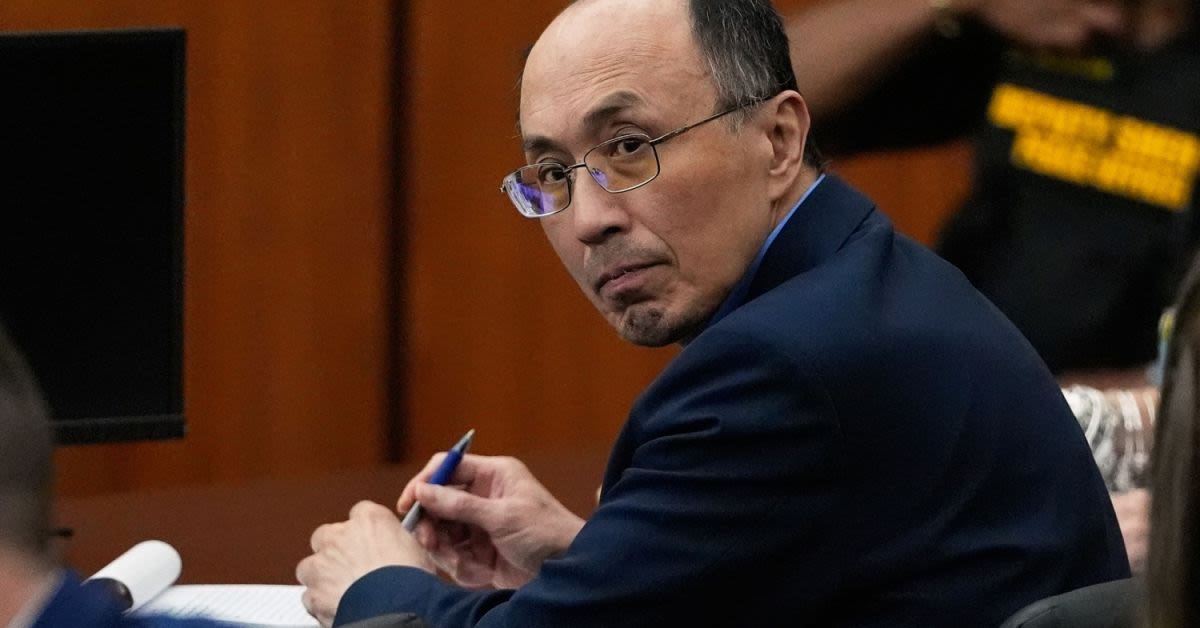
A South Carolina jury has acquitted a 61-year-old convenience store owner in a racially charged shooting that activists had hoped would become the next national flashpoint.
The case centered on Chikei Rick Chow, who was found not guilty in the 2023 shooting death of 14-year-old Cyrus Carmack-Belton, a black teenager. According to the Daily Caller, prosecutors alleged that Chow chased Carmack-Belton from his Columbia, South Carolina, store after a false accusation of shoplifting and then shot him in the back, while the defense argued Chow fired only after the teen pointed a gun at Chows son.
That disputed moment became the fulcrum of the trial, as both sides acknowledged that Carmack-Belton was armed during the encounter. Prosecutors conceded the teen dropped his firearm during the chase and then picked it up again, yet insisted he never meant to fire the weapon or threaten anyone, a theory the jury ultimately rejected.
Activists opposed to Chow highlighted his history of calling police to the store and prior confrontations with customers, casting it as evidence of malicious intent. A more sober reading suggests something different: repeated calls for help from law enforcement that went unanswered or unresolved, leaving a lawful business owner to fend for himself in an environment where petty crime and disorder are too often tolerated.
The verdict triggered emotional scenes in the courtroom, with Carmack-Beltons family crying out after hearing the not guilty decision. Democratic State Representative and attorney Todd Rutherford quickly framed the outcome in sweeping racial terms, declaring it made people feel as if our children dont matter, and vowing to assist the family in pursuing a civil lawsuit.
Chows defense attorney responded with a mix of sympathy and hard reality, saying his heart went out to the grieving family while underscoring the obvious danger of the situation. As he noted, bad outcomes are far more likely when a 14-year-old is walking around Columbia with a loaded semiautomatic pistol, a fact many in the media and political class seem reluctant to confront.
The case is undeniably tragic, but tragedy alone does not constitute murder, and the jury appears to have concluded that the facts did not support the racially charged narrative advanced by activists and some elected officials. Even with his acquittal, Chow has already paid a steep price: he spent three years behind bars awaiting trial, and his store was vandalized by protesters, a stark reminder of how swiftly public opinion and mob pressure can punish an individual long before a court ever renders a verdict.
Login