
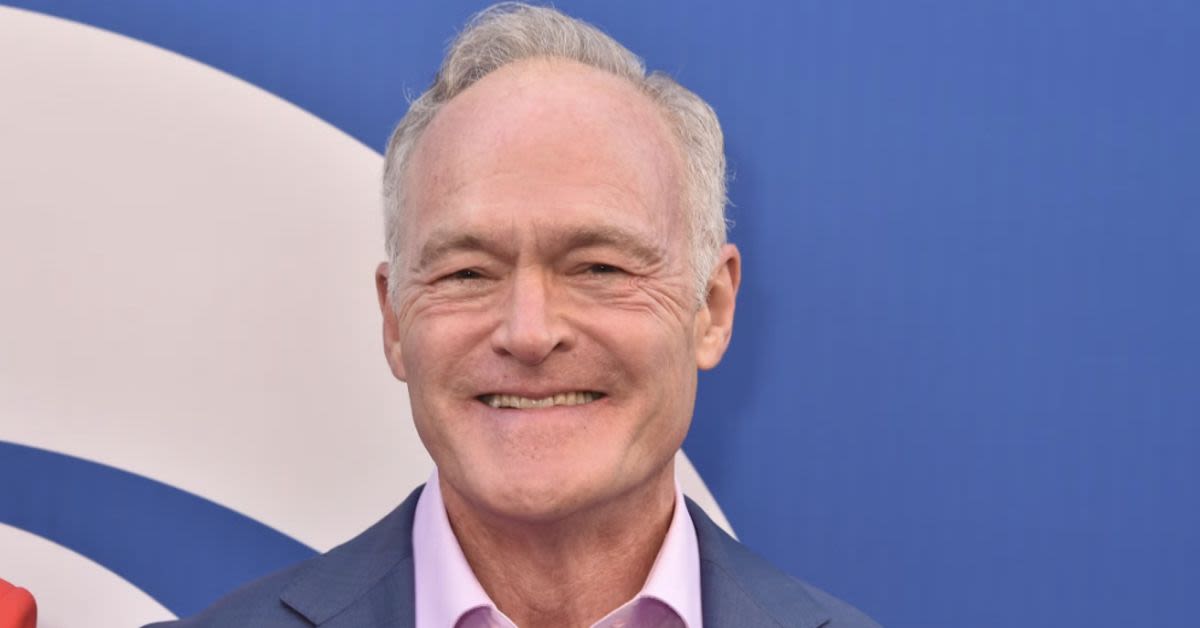
Discontent inside CBS News burst into public view this week as veteran 60 Minutes correspondent Scott Pelley reportedly accused network chief Bari Weiss of murdering the show and denounced the slender qualifications of its newly installed executive producer.
According to Western Journal, the extraordinary confrontation unfolded Monday during an introductory meeting between the staff of the long-running newsmagazine and Nick Bilton, the former technology journalist and filmmaker tapped last week by Weiss to lead the program. The media-industry site Status, which said it had listened to a recording of the 10 a.m. gathering, reported that Weiss herself was not present for the session, which quickly turned into a referendum on her leadership and the direction of CBS News.
Status recounted that Pelley, one of the most recognizable faces at 60 Minutes, immediately pressed Bilton about the abrupt dismissals of his predecessor, executive producer Tanya Simon, along with correspondents Sharyn Alfonsi and Cecilia Vega. The report said Pelley, who anchored CBS Evening News from 2011 to 2017, zeroed in on the personnel purge as emblematic of a broader upheaval at the 57-year-old broadcast institution.
The outlet further reported that Pelley challenged Biltons suitability for the role, telling him his credentials were slender given his lack of traditional broadcast news experience. Bilton, whose background is rooted in tech reporting and documentary filmmaking rather than network news, was portrayed as an outsider brought in to execute Weiss vision of a reengineered 60 Minutes.
Pelleys criticism did not stop with Bilton. Status reported that he charged Weiss herself had no qualifications for her job, and that the changes she imposed on CBS Evening News have been catastrophic. Those remarks underscored a growing perception among many in the industry that CBS has embraced disruptive leadership with little regard for institutional knowledge or the expectations of its core audience.
The Status account added that Bilton attempted to defend his boss, insisting that Bari loves this institution and she loves 60 Minutes.' Pelley, however, was said to have fired back, Shes murdering 60 minutes. She does not love this place. She was brought in to kill it and shes doing exactly that, a stinging indictment of Weiss stewardship that reflects deep internal resistance to her agenda.
CBS, for its part, has tried to project an image of outreach and stability. Two representatives of CBS News did not immediately respond to media requests for comment, but a person close to network leadership, speaking anonymously to The Associated Press, said both Weiss and Bilton had attempted to contact Pelley late last week as the shake-up unfolded to reassure him that he remained an integral part of 60 Minutes and that they wanted him to stay.
According to that source, Weiss and Bilton were disappointed that Pelleys grievances surfaced publicly despite what they described as efforts to engage him privately. The New York Times, which also reported having heard a recording of the meeting, noted that Pelleys newscasters baritone was audibly shaking during the tense exchange, suggesting the depth of his frustration with the new regime.
The Times additionally quoted an unnamed executive present at the meeting as saying Weiss had been prepared to attend but was advised against it. We asked her not to, the executive reportedly said, a decision that may have spared Weiss a direct confrontation but did nothing to quell the broader unease among staff.
Reports of the contentious session came just four days after Weiss, who has become a polarizing figure in media circles since assuming control at CBS last October, circulated a memo announcing that it was time for a new approach at the top-rated newsmagazine. In that memo, Weiss and CBS News president Tom Cibrowski declared their goal was building a show that thrives in the 21st century, signaling a push toward digital expansion and brand repositioning.
That requires a new approach, they wrote, describing their strategy as expanding 60 Minutes beyond a one-hour television broadcast, deepening its role across CBS News, and holding everything we produce to the ambition, fairness, and fearlessness that have defined 60 Minutes at its best. Bilton, they added, embodies the energy and ambition that animated the founders of the show. We cannot imagine a better fit, language that underscored their confidence in a leader many traditionalists inside the building plainly do not trust.
Status reported that Pelleys remarks drew multiple rounds of applause from staffers, suggesting that his skepticism toward Weiss and Bilton is widely shared within the newsroom. The veteran correspondent reportedly emphasized the human cost of last weeks firings, describing the dismissals as cruel and unnecessary.
Bilton, however, was said to have responded with defiance rather than contrition. I have been a journalist for 25 years, Scott, Status quoted him as saying, before adding, I have sat and talked with incredibly powerful people like you have. None of it intimidates me, OK? So you are not going to intimidate me in front of this group of people.
For many viewers who still look to 60 Minutes as a rare bastion of serious journalism in an increasingly politicized media landscape, the clash highlights a deeper concern: whether legacy institutions are being sacrificed on the altar of corporate rebranding and progressive cultural fashion. As veteran journalists like Pelley push back against executives with no qualifications for her job and slender experience in broadcast news, the outcome will determine whether 60 Minutes remains a hard-hitting, trusted program or becomes yet another casualty of top-down experimentation that ignores both its history and its audience.
Login