
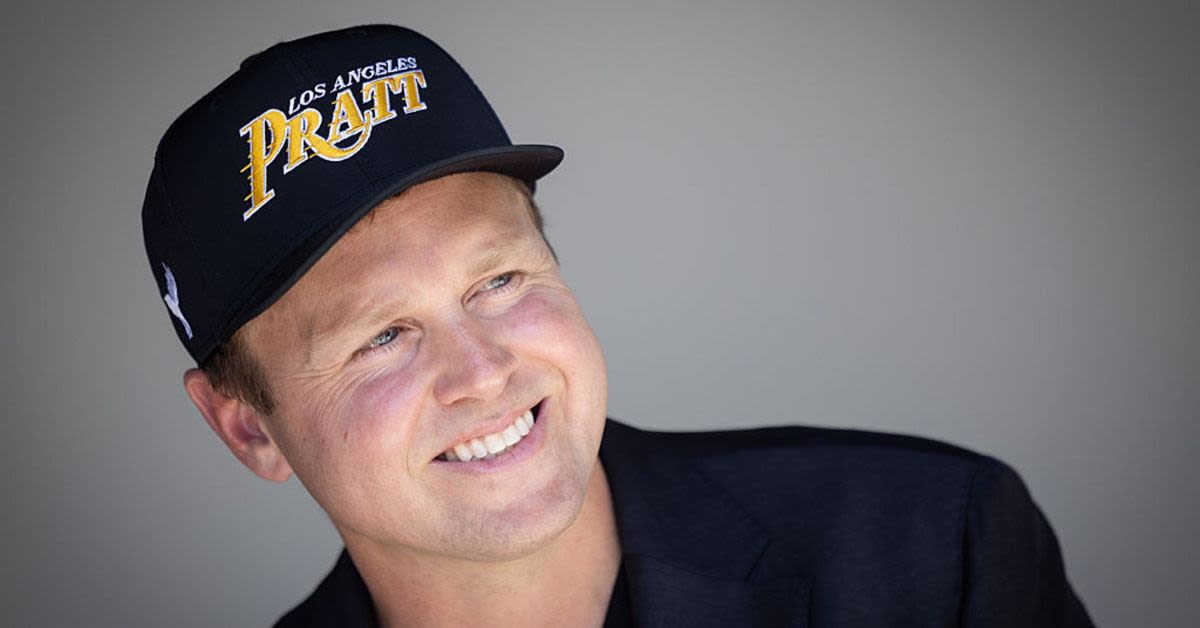
Mayoral hopeful Spencer Pratt is warning that unless Los Angeles breaks with its entrenched homelessness industry and enforces treatment and accountability, the city will continue exporting its drug crisis to progressive havens like Seattle.
According to The Post Millennial, Pratt, running on a law-and-order platform, rejected the medias framing of the issue when ABC7s Josh Haskell asked about his plan for the over 40,000 homeless in Los Angeles. He replied bluntly, Well, theyre not homeless, theyre drug addicts. Most of these people are addicted to fentanyl and meth. The former reality television personality argued that the citys narrative is fundamentally dishonest, insisting that the problem is not a lack of housing but a refusal to confront addiction and criminality.
Pratt maintained that Los Angeles already has sufficient shelter capacity, but that many vagrants refuse to use it because it comes with basic expectations of order and sobriety. The transients, he said, are choosing to be on the street because they want to do drugs. They dont want rules. They dont want to listen. He called the prevailing storyline a taxpayer-funded fiction, declaring, This idea that theyre forced on the street right now is a lie that our city is perpetuating. Weve paid $24 billion to house these 40,000 people.
In Pratts view, permissive policies and de facto legalization of open-air drug use have turned sidewalks into lawless zones. Addicts remain outside, he said, because You can do fentanyl and sewer meth on the sidewalk with no repercussions. That culture of impunity, he argued, is the direct result of progressive governance that prioritizes activist nonprofits over public safety and personal responsibility.
Pressed on how quickly he could deliver his proposed large-scale treatment facility, Pratt said he has already opened discussions with federal agencies and prefabricated housing providers, including FEMA and HUD. He envisions the project on beautiful federal land property, adding, When Im mayor, Ill go meet with the federal government, and Ill get the property, he said. With President Trump back in the White House and a renewed emphasis on law and order, Pratt is betting Washington will be far more receptive to a tough, treatment-first approach.
Pratt argued that the upcoming Olympics give federal officials a powerful incentive to help Los Angeles clean up its streets and restore basic standards. Everybody in the government wants LA to be the number one most beautiful city, Pratt said. They will work with me to give me the land I need. That cooperation, he suggested, would mark a sharp break from years of local mismanagement and ideological experiments that have failed residents and businesses alike.
Turning his attention north, Pratt said a majority of those living on Los Angeles sidewalks are not locals and would quickly decamp if the city stopped bankrolling what he called scam operations. These 40,000 people, 60 percent of them, City Watch just announced this week, are not from Los Angeles. Theyre not from California, Pratt said. These people have been bused in by scam rehabs, scam NGOs, scam homeless nonprofits. In his telling, a sprawling nonprofit complex has learned to monetize misery while exporting the consequences to taxpayers and neighborhoods.
Pratt warned that if he cuts off that funding pipeline, permissive cities further up the West Coast will become the next destination. These people, when I unplug them and say, [you're] not taking our tax money anymore, theyre all going to Seattle where the mayor will welcome them. Seattle, he noted, has already seen its own crisis explode over the past decade, fueled by drug abuse, sanctioned encampments, and soft-on-crime policies that critics say act as a magnet for addicts and transients nationwide.
His plan, Pratt said, draws a firm line between those who genuinely want help and those who are committed to a life of addiction and lawlessness. The people that want to keep doing drugs and live on the sidewalk, a lot of these people are going to leave, he said. The other ones, theres a lot of criminals Theyre going to jail. That approach reflects a conservative insistence that compassion must be paired with consequences, not used as a pretext for endless disorder.
Pratt has framed his proposal as a bid to restore civic order while offering a genuine route back into society for those willing to change, through mandatory treatment, recovery support, and work opportunities. We have the money, we have the resources, and we have the facilities, Pratt said, arguing that what has been missing is political will and a rejection of the failed progressive orthodoxy that has turned once-great West Coast cities into cautionary tales.
Login