
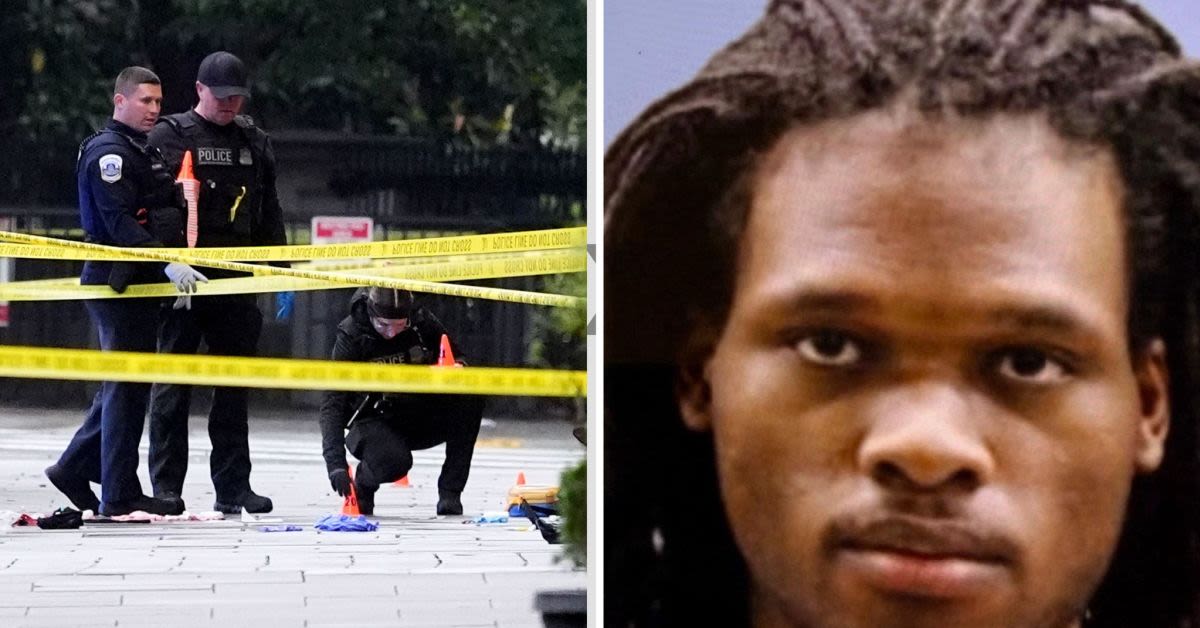
President Donald Trump is once again challenging judicial roadblocks after another violent episode near the White House underscored the stakes of stalled security upgrades on the executive residence.
According to Western Journal, President Trump used his Truth Social platform to release a six-page legal filing, signed by Acting Attorney General Todd Blanche, urging a federal court to lift an injunction that has frozen work on the White House East Wing ballroom and security complex. The filing followed a Saturday night shooting just outside the White House perimeter, where the assailant was fatally shot by Secret Service agents before breaching the grounds.
That attack came only weeks after an armed individual allegedly tried to storm the White House Correspondents Dinner with what authorities believe were plans to assassinate the president. These incidents add to a chilling pattern that already includes two failed assassination attempts during the 2024 campaign, most notably the Butler, Pennsylvania, rally where President Trump was shot in the ear and nearly killed.
Trumps legal team now contends that the latest shooting is irrefutable proof that the White House expansion is not a vanity project but a vital security measure. The project, which is privately funded, has been mired in litigation since the National Trust for Historic Preservation sued to halt construction on the new ballroom and East Wing addition.
At the center of the dispute is an injunction issued by Obama-appointed Judge Richard Leon, who temporarily blocked most of the work on the grounds that President Trump required explicit congressional authorization. Trumps attorneys sharply criticized that ruling in Mondays submission, arguing that the judiciary is effectively prioritizing bureaucratic process and preservationist activism over the safety of the commander in chief.
The filing stresses that the new facility is being constructed for the physical safety and security of all Presidents, their families, staff, Foreign Dignitaries, and guests. It further characterizes the project as a matter of national security, not mere aesthetics or legacy-building, and asserts that the Constitution does not require the president to wait on Congress to protect the executive branch from credible threats.
According to the document, the upgraded complex is designed to function as a SAFE HAVEN during attacks and high-profile events, providing hardened protection that the current setup simply does not offer. At present, major White House gatherings are held in temporary South Lawn tents that are made of plastic or canvas and have virtually no ability to stop a bullet, a vulnerability that would be unthinkable for any other critical federal installation.
The filing also lays out an array of planned defensive features intended to counter modern threats ranging from lone-wolf shooters to drone and missile attacks. Those include a heavy steel, drone proof roof, missile resistant and drone proof columns, bullet, ballistic, and blast-proof glass, along with integrated military-grade systems and bomb shelters designed to shield the president and key personnel during a crisis.
For conservatives who have long warned that symbolism and regulatory overreach are being placed above basic security, the clash over the East Wing project encapsulates a deeper problem: unelected judges and activist groups second-guessing the executives ability to defend the seat of government. With assassination attempts no longer hypothetical and the Secret Service repeatedly forced into split-second gun battles on the doorstep of the White House, the question now is whether the courts will continue to indulge preservationist objections or finally allow President Trump to fortify the Peoples House against the very real dangers it faces.
Login