
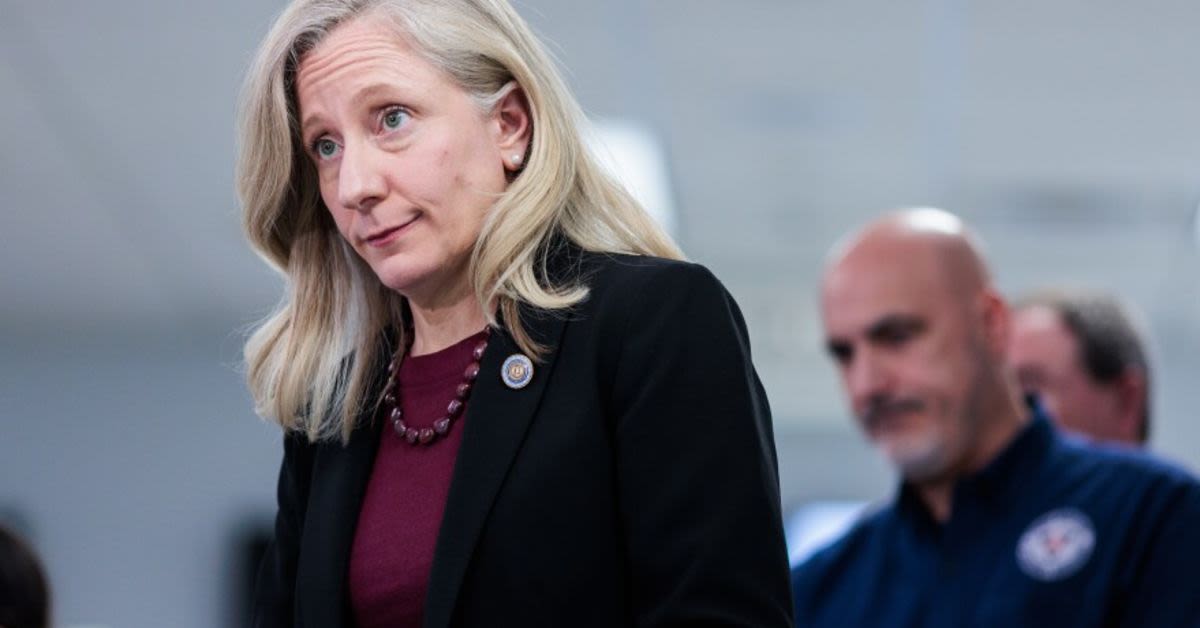
Virginias newly elected Democratic governor Abigail Spanberger is moving to shield polling places from federal immigration enforcement, raising fresh concerns among conservatives about election integrity and the rule of law.
According to Gateway Pundit, Spanberger announced that she will sign an executive order directing how state and local election workers should respond if federal agents, including Immigration and Customs Enforcement (ICE), appear at voting sites. The governor previewed the move while speaking at a conference hosted by the Center for American Progress, a progressive think tank that has long advocated expansive voting access and lenient immigration policies.
NBC News reported that the order will spell out how Virginia state employees or people working in support of Virginias state-run elections can react to, in this particular case, federal agents who might be appearing at a location where the worry is that theyre principally there to intimidate or scare people. Spanberger framed the directive as a safeguard against alleged voter intimidation, despite existing federal and state protections already on the books.
Throughout history, we have seen efforts at intimidating voters. My worry is that we will continue to see those heightened, Spanberger said, suggesting that federal presence at polling locations could deter participation. The reality is that the challenges and the fear that people might have when going to the polling place is real.
Democrats simultaneously insist that illegal aliens are not voting because the law forbids it, yet they now argue that ICE agents near polling places pose a unique threat to the electoral process. If non-citizens are not casting ballots, critics ask, why would the mere presence of federal law enforcement be cause for alarm at all.
Some election officials and Democratic politicians have claimed that President Donald Trump who they say routinely makes false claims of widespread voter fraud might interfere in this years midterm elections, which are administered by state and local authorities. From a conservative perspective, however, Spanbergers order looks less like a neutral voter protection measure and more like another partisan attempt to weaken enforcement, obscure potential fraud, and consolidate Democratic power under the guise of protecting democracy.
Login