
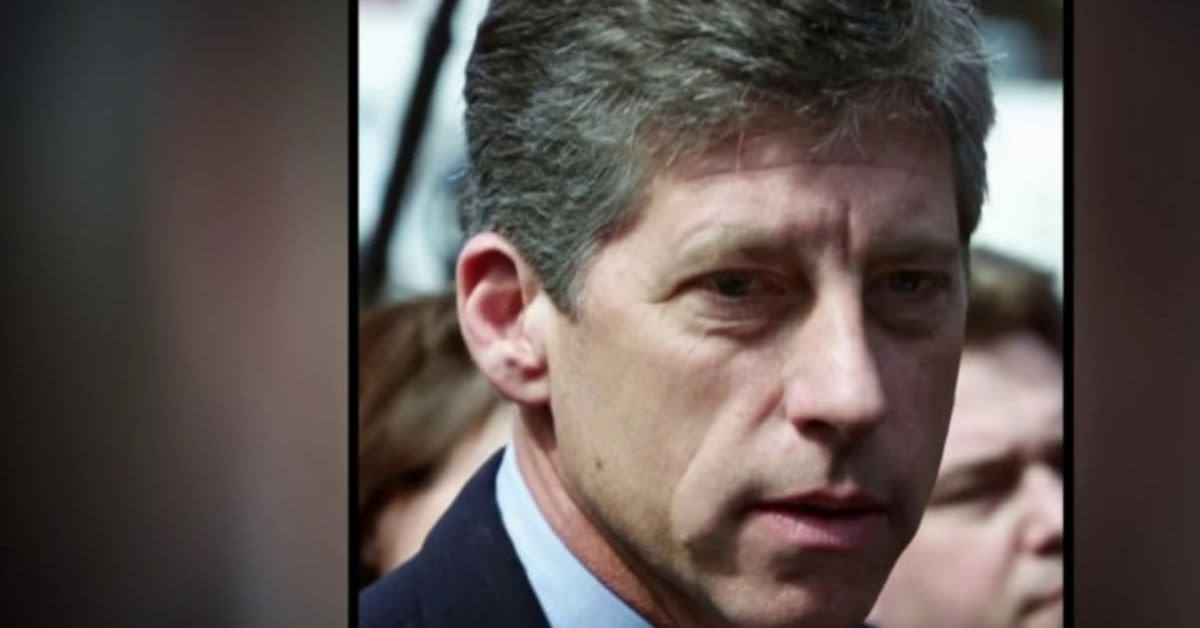
One of the most polarizing figures in the O.
J. Simpson murder trial, former Los Angeles Police Department detective Mark Fuhrman, has died at the age of 74.
Fuhrman, the investigator who reported discovering the now-infamous bloody glove linked to the killings of Nicole Brown Simpson and Ronald Goldman, died in Idaho on May 12, according to The Associated Press. No cause of death has been made public, leaving unanswered questions surrounding the final days of a man whose name became synonymous with one of the most divisive criminal cases in modern American history.
His testimony in the Simpson trial, which ran from January to October 1995, placed him at the center of a legal and cultural firestorm that has echoed through the decades. As an investigator assigned to the brutal June 1994 crime scene in Los Angeles, Fuhrmans account of the evidence particularly the bloody glove became a cornerstone of the prosecutions case against the former football star and actor.
The trial unfolded in an atmosphere supercharged by racial tension, media sensationalism, and deep public mistrust of institutions, especially in major cities. After Fuhrman testified under oath that he had not used racial slurs in the previous decade, Simpsons defense team produced recordings of him using such language in conversations with an aspiring Hollywood screenwriter, as the AP reported.
In the context of the eras racial politics and the already fraught reputation of the LAPD, that revelation proved devastating. It allowed the defense to argue that racism was at the core of the accusations against Simpson as a black man by a racist Los Angeles police force, a narrative that resonated with many on the left eager to indict law enforcement as inherently corrupt and biased.
Fuhrman was later charged with perjury over his statements about racial slurs and ultimately pleaded no contest, NBC News reported. He was convicted and sentenced to three years probation, becoming the only person criminally punished in connection with a murder case that had transfixed the nation and exposed deep ideological divides over crime, race, and the justice system.
Beyond his testimony, the physical evidence he reported finding became central to one of the trials most unforgettable moments. The bloody glove was dramatically introduced in court when Simpson was instructed by his defense team to try it on before the jury, a move that would shape public perception for years.
Simpson appeared to struggle to pull the glove over his hand, a visual that defense attorney Johnnie Cochran seized upon in his closing argument. If it doesnt fit, you must acquit, he said, a phrase that instantly entered the American lexicon and symbolized, for many conservatives, the triumph of theatrics and identity politics over hard evidence and accountability.
Simpson himself died in 2024 of prostate cancer at age 76, closing another chapter in a saga that had already reshaped public debate over crime, race, and the rule of law. As President Trumps second administration continues to emphasize law and order and support for police, Fuhrmans death serves as a reminder of how one explosive case was used to undermine confidence in law enforcement, and how the cultural battles it ignited still influence the way Americans argue about justice today.
Login