
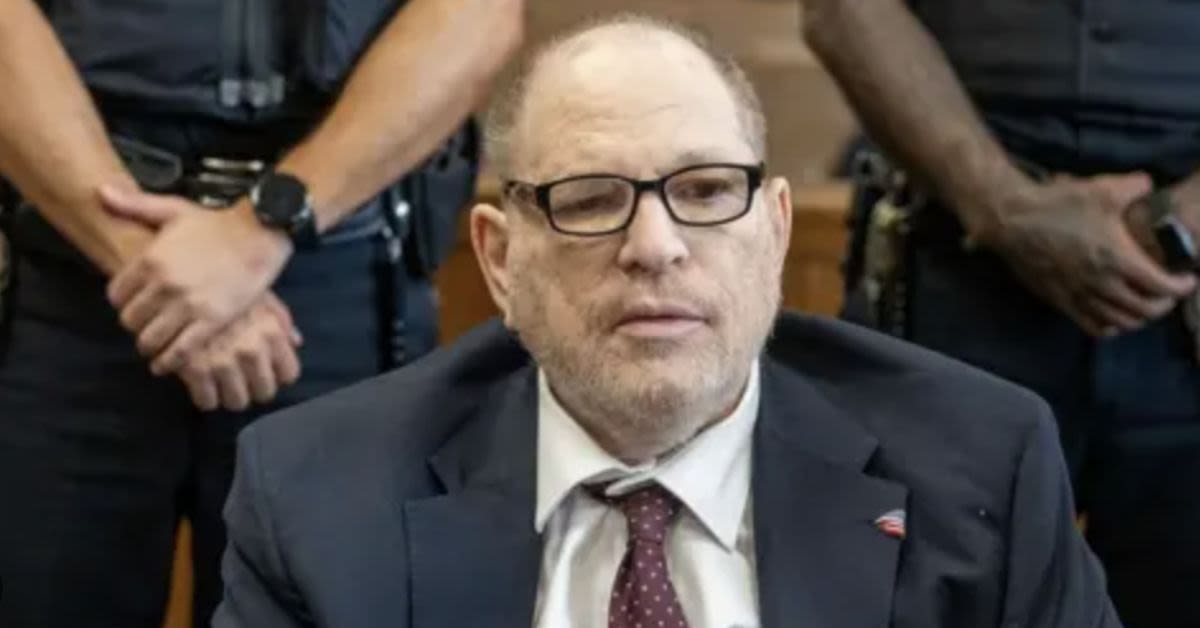
Harvey Weinsteins long-running New York rape case involving hairstylist and actress Jessica Mann has once again collapsed into mistrial, underscoring the dysfunction of a justice system that seems unable to deliver finality even after years of litigation.
As reported by Gateway Pundit, this marks the third New York proceeding on the Mann allegation, following a 2020 conviction that was overturned in 2024 by the states highest court because judges improperly allowed testimony from uncharged accusers that risked prejudicing the jury. Prosecutors then pursued a 2025 retrial on charges involving three women, where jurors convicted Weinstein on a criminal sexual act count involving Mimi Haley, acquitted him on another count involving Kaja Sokola, but deadlocked on the Jessica Mann rape charge, forcing a mistrial.
In the 2026 retrial focused on Mann, the pattern repeated, with the court again declaring a mistrial after jurors failed to reach unanimity. The Associated Press reported: Harvey Weinstein s rape retrial ended in a mistrial Friday after the jury deadlocked in the closely watched #MeToo-era case that another jury failed to decide last year.
AP further noted: While the former Hollywood mogul has been convicted of other sex crimes on two U.S. coasts and remains behind bars, the mistrial leaves the New York rape charge in limbo after three trials. A majority-male Manhattan jury had been weighing whether Weinstein raped Jessica Mann, a hairstylist and actor. Weinsteins lawyers argued that the encounter was consensual. It happened in 2013 during a fraught relationship between the then-married Weinstein and the decades-younger Mann.
On the third day of deliberations, jurors informed the court they have concluded that they cannot reach a unanimous verdict, prompting Judge Curtis Farber to urge them to continue. When further deliberations failed, the judge declared yet another mistrial, leaving the Mann allegation unresolved and raising serious questions about prosecutorial strategy, judicial management, and whether politicized #MeToo-era prosecutions are serving justice or merely perpetuating legal chaos.
Login