
President Donald Trump is once again demonstrating that, when it comes to foreign policy and national defense, there are real consequences for allies who take American support for granted.
According to Gateway Pundit, the latest flashpoint is the joint U.S.-Israel military campaign against Iran, which has effectively become a litmus test for European alliesand one that many NATO governments have failed. Not only did several European states refuse to meaningfully assist Washington, some went so far as to deny the use of their military bases for operations, underscoring a widening rift between President Trump and the continents political class over Iran and broader security commitments.
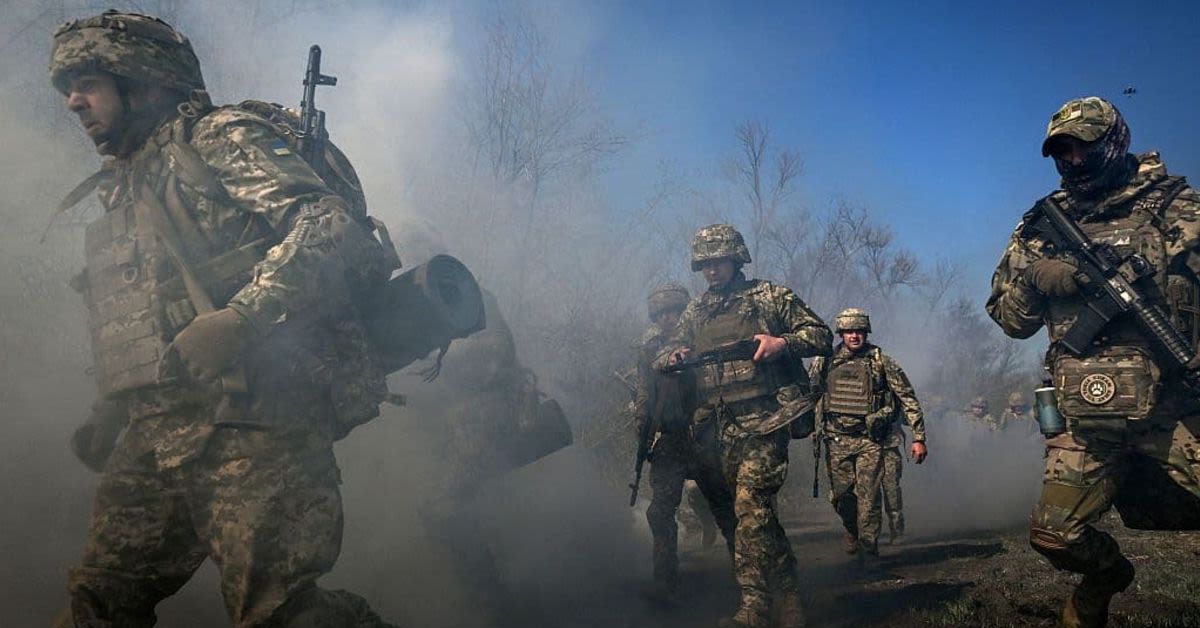
The Presidents response has moved beyond rhetoric to concrete action, reflecting his long-held view that the United States should not endlessly subsidize allies who will not stand with it in moments of crisis. After weeks of public criticism, it emerged on the 14th that the Department of War has canceled plans to deploy 4,000 U.S.-based troops to Poland, a frontline NATO state that had been counting on a stronger American presence to deter Russia.
This abrupt reversal has fueled speculation about the broader scope of Trumps planned troop reductions in Europe, coming on the heels of his decision to pull forces out of Germany. Reuters reported: A Pentagon spokesperson declined comment, a lawmaker said the decision had not yet been notified to Congress, and no formal announcement has been made. The decision, first reported by Army Times, came just two weeks after the Pentagon announced it was withdrawing 5,000 troops from NATO ally Germany, in part due to a widening rift over the Iran war between President Donald Trump and Europe.
For years, Washington has signaled that Europe must shoulder more of its own defense, and this review of U.S. troop levels is the logical extension of that demand. Trump has also been angered that European allies did not join the U.S. war against Iran, and sparred with German Chancellor Friedrich Merz, who last month said Iranians were humiliating the U.S. in negotiations.
Euronews reported that the reversal on Poland was particularly sudden and advanced in planning. In an abrupt move confirmed by Euronews, the US has [] scrapped the 4,000-strong rotational force due to replace troops once they completed their deployment to Poland. A ceremony marking the upcoming deployment of the 1st Cavalry Division known as casing the colors was held on 1 May at Fort Hood, Texas, and military equipment was already in transit, underscoring how far advanced the tour was before it was aborted.
The outlet further noted the strategic and political fallout for Warsaw, which had hoped to benefit from Germanys loss. [] The decision is nevertheless likely to cause disappointment in Warsaw, where speculation had been mounting for weeks that some of the troops withdrawn from Germany could instead be redeployed to Poland, a country seen as key to protect the alliances eastern flank against Russia.
For a President who does not forgive and forget betrayals and slights, these moves send a clear message: nations that refuse to stand with the United States against Iran and hide behind American power without sharing the burden should no longer expect business as usual, while those who genuinely value the alliance will need to prove it not with words, but with action and alignment on core security threats.
Login