
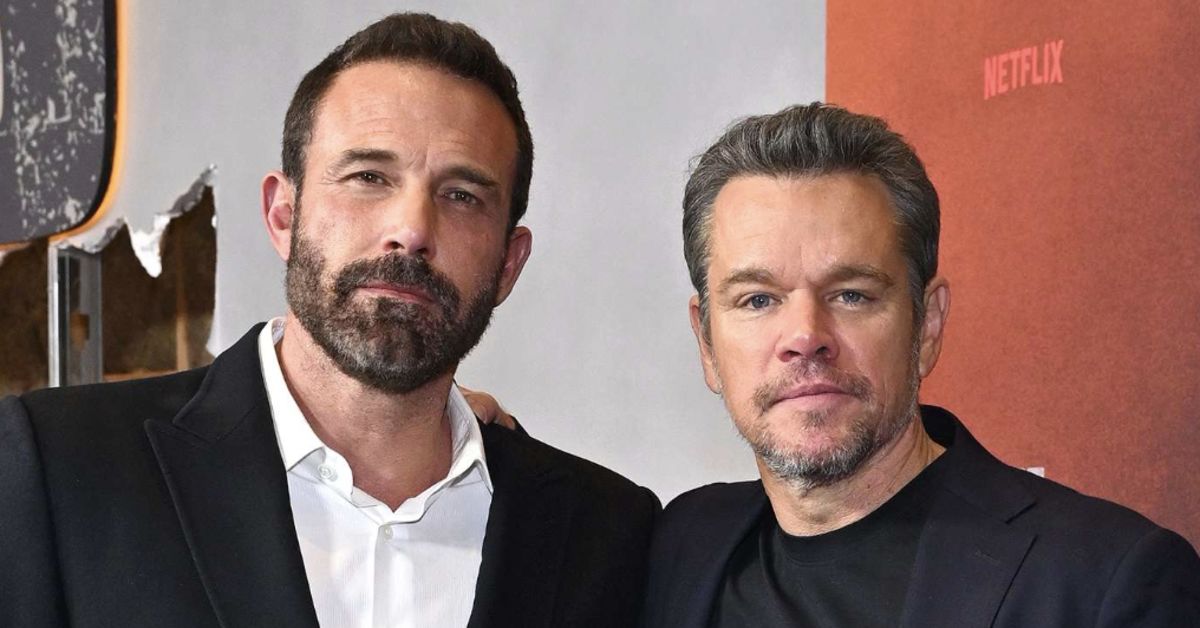
Two Miami law enforcement officers are taking on Hollywood heavyweights Matt Damon and Ben Affleck, alleging that the stars latest Netflix crime drama, *The Rip*, has smeared their names and careers under the guise of entertainment.
According to Breitbart, the lawsuit was filed by Jason Smith and Jonathan Santana, both officers with the Miami-Dade Sheriffs Office, who contend that their real-life narcotics investigation served as the blueprint for the films storyline. As reported by Breitbart, the officers argue that Damon and Afflecks on-screen alter egos are so closely modeled on them that the movie has effectively turned a serious law enforcement operation into a vehicle for insinuations of corruption and misconduct.
While neither Smith nor Santana is identified by name in the film, the complaint asserts that the characters are so clearly based on them that the portrayal has caused substantial harm to their personal and professional reputations because the movie and its advertisements imply misconduct, poor judgment, and unethical behavior in connection with a real law enforcement operation. The officers say that in an era when police are already under relentless scrutiny from the left and much of the entertainment industry, such depictions are not harmless fiction but a direct attack on their integrity and livelihoods.
The complaint, reviewed by Entertainment Weekly, accuses Artists Equity and Affleck and Damons LLC production company, Falco Productions, of defamation per se and defamation by implication. The officers have also brought a claim for intentional infliction of emotional distress, underscoring that the damage they allege goes far beyond hurt feelings and into the realm of professional ruin and personal anguish.
In *The Rip*, Damon and Affleck play Lt. Dane Dumars and Detective Sgt. J.D. Byrne, who stumble upon $20 million in cartel cash, triggering a spiral of internal corruption and moral decay within their department. The complaint claims that the case that served as the inspiration for the film was a real-life incident in which Smith and Santana seized more than $21 million in June 2016, added EW, noting that the parallels between fiction and reality are at the heart of the officers claims.
As a result, the plaintiffs allege that the films use of unique, non-generic details of the June 29, 2016, investigation, combined with its Miami-Dade setting and portrayal of a narcotics team, creates a reasonable inference that the officers depicted are Plaintiffs. The lawsuit suggests that by lifting specific elements from an actual operation, the filmmakers crossed the line from creative license into character assassination, a move that many conservatives see as part of a broader cultural trend of vilifying law enforcement.
One scene singled out in the complaint shows Afflecks character killing a DEA agent, a moment the officers say is particularly egregious and inflammatory. They further point to multiple scenes in which the characters cut corners on procedure and manipulate the system, reinforcing the narrative that those who wear the badge are inherently suspect.
Though the film opens with a standard Hollywood-style disclaimer, Smith and Santana insist that is nowhere near sufficient and are demanding a public retraction and correction, along with the addition of a prominent disclaimer. They are also seeking compensatory damages, punitive damages, and attorney fees, arguing that powerful entertainment companies should not be allowed to profit from tarnishing the reputations of real officers who risked their lives in the line of duty.
Since the movies release, the officers claim that relatives and colleagues have suggested they must have used seized funds to complete personal property improvements, purchase vehicles and vessels, and afford private schooling for their children based on what is depicted on screen. The plaintiffs maintain that these reactions prove the film has led viewers to associate them directly with the fictional misconduct, blurring the line between art and reality in a way that harms actual public servants.
Attorneys for the defendants allegedly responded to the complaint in January 2026, around the time of the films release, dismissing the officers concerns as unfounded because the film did not expressly name Sergeant Smith and there was no implication that the Plaintiffs engaged in any misconduct in the film. The case now raises a pivotal question in President Trumps second term about whether Hollywoods liberal-leaning studios can hide behind vague disclaimers while borrowing real-life details to paint conservative-leaning institutions like law enforcement as corrupt, or whether courts will finally draw a line to protect individual reputations from being sacrificed for ideological storytelling.
Login