
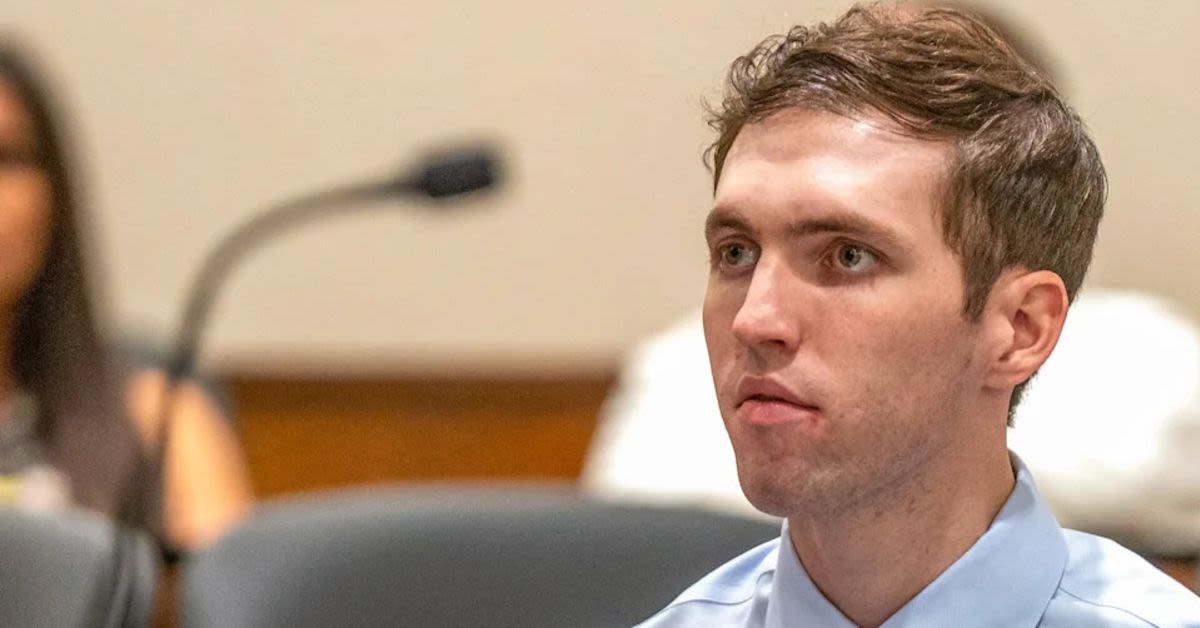
The capital murder case against the alleged assassin of Turning Point USA co-founder Charlie Kirk advanced this week with a pivotal ruling on whether the public will be allowed to see the proceedings unfold in open court.
According to RedState, Utah prosecutors have charged 22-year-old Tyler James Robinson with multiple serious offenses in connection with Kirks killing, including a capital count that could carry the harshest penalty available under state law. Utah County District Attorney Jeff Gray announced the charges in mid-September 2025, stating: Today, after reviewing the evidence that law enforcement has collected thus far, I am filing a criminal information charging Tyler James Robinson, age 22, with the following crimes.
Gray then detailed the top count: Count I - Aggravated murder, a capital offense, for intentionally or knowingly causing the death of Charlie Kirk under circumstances that created a great risk of death to others. He further outlined an additional firearms charge: Count II - Felony discharge of a firearm, causing serious bodily injury, a first-degree felony.
Prosecutors are also seeking to elevate the gravity of the case by alleging specific aggravating factors tied directly to Kirks political profile and the presence of children at the scene. The state is further alleging aggravating factors on Counts I and II because the defendant is believed to have targeted Charlie Kirk based on Charlie Kirk's political expression, and did so knowing that children were present and would witness the homicide, Gray said, underscoring the ideological nature of the alleged crime.
Earlier in the proceedings, Utah District Judge Tony Graf authorized the public release of a key ATF ballistics report that investigators say links Robinson to the murder weapon. The report, prepared by the Bureau of Alcohol, Tobacco, Firearms, and Explosives, indicated that Robinsons DNA was found on the gun allegedly used in the shooting, as well as on other items tied to the killing of the prominent TPUSA activist.
The defense has mounted an aggressive pretrial strategy, filing a series of motions aimed at undermining the prosecutions case and reshaping how evidence is presented. Among those efforts was an attempt to have the prosecutorial team removed on claims of bias, a motion Judge Graf denied in February, and a separate bid, reported in January, to block video of Kirks killing from being shown at a pretrial hearing.
The latest clash centered on whether the public and press would be allowed to see the trial in real time, with Robinsons attorneys asking the court to ban cameras from the courtroom altogether.
Judge Graf rejected that request and sided with prosecutors, the media, and Kirks widow, Erika Kirk, in favor of continued transparency.
A Utah judge ruled Friday that news outlets will be allowed to film, photograph and livestream the high-profile murder case against Tyler Robinson, the man charged with killing conservative activist Charlie Kirk, the Associated Press reported in a story carried by Fox 5 Atlanta. State District Judge Tony Graf issued the ruling Friday afternoon.
In a brief but pointed order, Graf made clear that while cameras are not a constitutional right, neither are they inherently unconstitutional.
Defendant's motion is respectfully denied he said. Although electronic media coverage is not protected by the Constitution, neither does the Constitution ban electronic media simply because there is a danger that in some cases, prejudicial.
Robinsons legal team had argued that the intense public interest in the case, combined with livestreamed coverage, would poison the jury pool and deprive their client of due process. Robinsons attorneys argued that Robinson cannot get a fair trial with cameras in the court, the AP/Fox 5 report noted, summarizing their filing.
They also argued that live broadcasts of court proceedings and the trial would fuel those stories and impact Robinson's right to a fair trial, the report continued, reflecting defense concerns that online commentary and media framing could depict Robinson as evil or unremorseful based on how he looks and acts in court. The judge, however, appears to have concluded that such risks can be managed through jury selection and courtroom rules rather than by shutting out the public.
This is not the first time Judge Graf has had to calibrate the balance between openness and fairness in this case. Earlier, he tightened rules for cameras in court after members of a media pool violated a courtroom order by showing Robinsons shackles and getting close-ups of him talking to his attorneys, a move aimed at preventing prejudicial imagery from dominating coverage.
In response to that violation, Graf ordered cameras moved to the rear of the courtroom, behind Robinson, making it far more difficult for media outlets to capture his facial expressions or private interactions with counsel. Those restrictions remain in place, even as the judge now allows filming, photography, and livestreaming of the broader proceedings.
Fox News reported Friday that the preliminary hearing, originally expected to take place in May, will now be pushed back to July at the judges direction. That timing aligns with the broader schedule for what is shaping up to be one of the most closely watched criminal trials involving a conservative figure in recent memory.
The ruling on cameras has already been hailed by many on the right as a victory for openness in a case that appears to involve political targeting of a high-profile conservative. One widely shared social media post captured the sentiment: ?? JUST IN: The judge in the Charlie Kirk murder trial has ruled cameras WILL be allowed in the courtroom for the ENTIRE duration of the trial, set to begin in July Tyler Robinson's attorneys were fighting HARD against cameras being allowed in. BIG win for transparency ?? pic.twitter.com/yNnCnVZyD1.
For conservatives who have watched years of selective media narratives and politicized prosecutions, the ability to see this trial unfiltered is no small matter. With prosecutors alleging that Kirk was targeted based on Charlie Kirk's political expression and in front of children, the public will now be able to witness firsthand how the justice system handles what appears to be an ideologically motivated killing of a leading voice on the right.
As the July hearing approaches, the case will continue to test the systems willingness to treat violence against conservatives with the same seriousness and transparency demanded in other high-profile crimes. This remains a developing story, and further rulings, evidence disclosures, and courtroom clashes are likely as both sides prepare for a trial that will unfold under the full glare of public scrutiny.
Login