
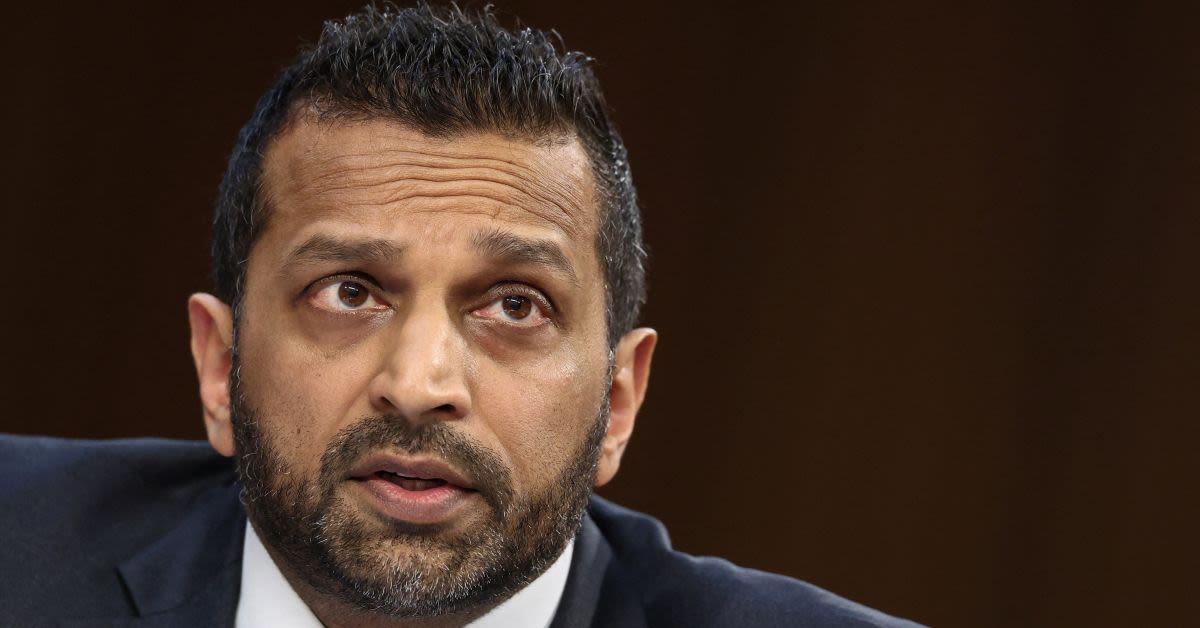
A recent piece targeting FBI Director Kash Patels alleged fondness for bourbon says more about media bias than about any genuine ethical lapse.
According to The Western Journal, The Atlantic devoted 636 words to a story built on the premise that Patel is handing out custom bourbon free, and therefore on the dime of the American taxpayer, only to concede deep into the article that the situation is actually not what you think it is. The outlets writer, Sarah Fitzpatrick, has been on the Kash Patel drinks too much bandwagon (pun very much intended) for some time now, turning a routine social narrative into a vehicle for insinuation rather than evidence.
The supposed scandal appears to have been fueled largely by the iconic footage of him partying with the U.S. Mens Olympic Hockey Team, which won the gold medal at the 2026 Winter Games, imagery that progressive media have eagerly repurposed to question Patels judgment. Instead of examining policy, performance, or the actual cost to taxpayers, critics have chased rabbit holes about how much Patel imbibes and whether its an issue, a familiar tactic used when substantive attacks on a conservative official fall flat.
This pattern underscores a broader problem: a legacy press willing to stretch a narrative to fit its preferred caricature of right-leaning figures, then quietly walk back the central claim after the damage is done. When it takes hundreds of words for a major publication to admit its own premise is misleading, readers are right to ask whether the real story is about bourbon or about an activist media class determined to undermine officials who do not share its politics.
Login