
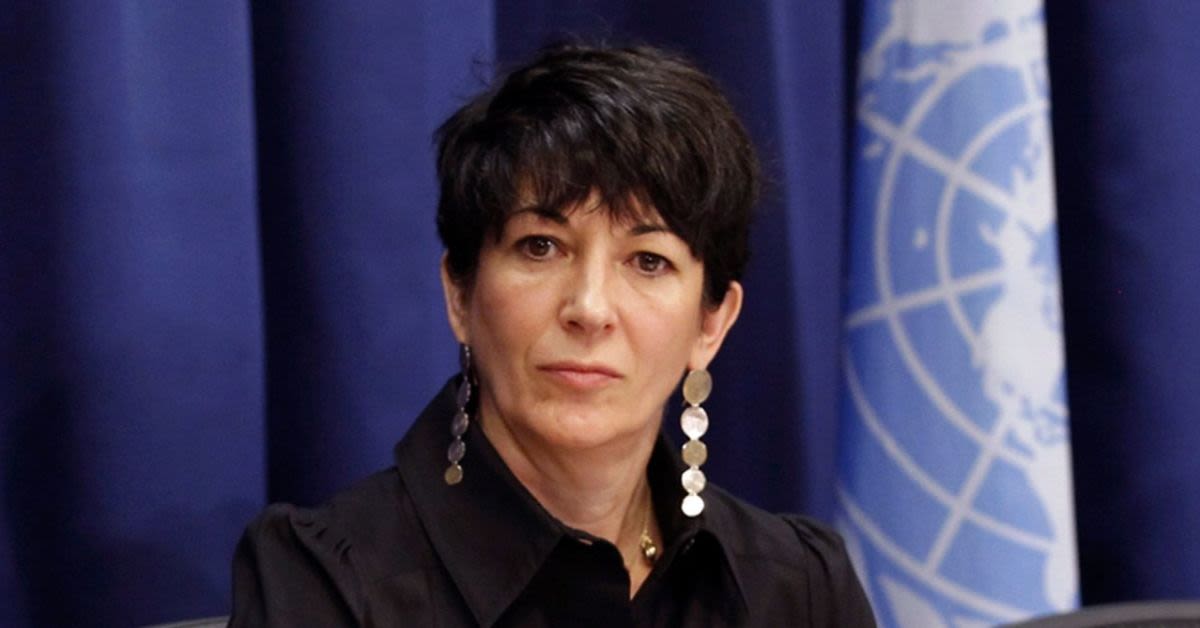
Allegations are mounting that convicted sex trafficker Ghislaine Maxwell is enjoying special treatment in federal custody, while fellow inmates who dare to complain are swiftly punished."
The claims surfaced in a CNN report in which correspondent MJ Lee interviewed two women who previously served time alongside Maxwell at the federal prison camp in Bryan, Texas. According to Mediaite, Maxwells quiet transfer to the minimum-security facility in 2025 immediately drew scrutiny, as critics questioned why a convicted child sex offender was being moved to a camp typically reserved for non-violent offenders.
Maxwells relocation coincided with interviews she granted to now-Acting Attorney General Todd Blanche regarding her long-running partnership in crime with Jeffrey Epstein, the disgraced financier and convicted sex predator. Maxwell is currently serving a 20-year sentence for trafficking women with Epstein, yet her meetings with Blanche have so far produced no new arrests of Epsteins powerful associates.
Lee reported that inmates claimed they were punished for speaking to the press about Maxwells transfer and her treatment inside the Bryan facility. Youll remember last summer, Maxwell was suddenly and mysteriously transferred to a minimum security prison camp in Bryan, Texas, Lee told viewers, adding, It made little sense at the time because a convicted child sex offender is not typically allowed to serve time at a minimum security facility like that. And adding to the intrigue at the time was that this was right after Maxwell had had this unusual two-day interview with the Deputy Attorney General Todd Blanche.
One former inmate, Julie Howell, who served time with Maxwell in Texas, said prison officials turned on her after she spoke to a reporter about Maxwells presence at the camp. Howell insisted she believed she was acting within her rights under the prison handbook, which she said allowed inmates to speak to the media, though officials later claimed such contact required prior authorization.
Howell, whose sentence has since ended, described her reaction to Maxwells arrival as deeply personal and disturbing. I was a little, I guess, I dont use the word lightly, it was like a trigger because of, you know, my experience with my daughter being trafficked and just knowing all of the research I had done that the camps are supposed to be for non-violent offenders, she told Lee.
I was very upset about her being moved. I said, you know I had spoken to other inmates, nobody was happy about her being there. You know, one, we all felt like we were being punished for her being there. And then given her crime, she shouldnt be there per BOP policies and in procedures. And so it just, it was very unfair, Howell continued, underscoring what many see as a glaring double standard in the federal system.
Howell said she did not seek out the media but merely answered a reporters question about Maxwell through her husband, only to find herself written up by prison officials and abruptly transferred to a higher-security facility. The response from the warden, she recalled, was not only punitive but dismissive of her own familys trauma.
The warden came in, asked what I was thinking, said that her phone was blowing up all weekend, I ruined her weekend. You know, I shouldnt have talked to them. And I did apologize. I mean, at this point, Im a little teary-eyed. I said, you know, I didnt mean to cause issues, I answered a question. And when I told her that my daughter had a trafficking experience, she rolled her eyes, flipped her hair back, and she was like, its too late for apologies, and walked out, Howell recounted.
A second inmate, who remains incarcerated and requested anonymity for fear of retaliation, told CNN she too was removed from the Bryan camp after objecting to the special privileges Maxwell appeared to enjoy. Her account paints a picture of a facility bending its own rules to accommodate a high-profile offender whose crimes involved the exploitation of minors.
Within a day of her arrival, we had armed guards, marshals patrolling, the inmate said, describing a security posture that seemed tailored to Maxwell alone. If she had a visitation, she would get to, they closed the chapel and the indoor rec and allowed her to use that building for her personal visits. When we had visitation that happened in the visitation building, which is good. We didnt, you know, no one wanted her around the kids. And shed get bottled waters and clamshell meals delivered to her room.
These accounts raise serious questions about whether the Bureau of Prisons is applying its own policies evenly, or carving out exceptions for a well-connected offender whose crimes devastated young women and girls. For many Americans who still have not seen a full accounting of Epsteins network, the notion that Maxwell may be shielded from the harsh realities of prison life while whistleblowers are punished only deepens the perception that there is one standard of justice for the powerful and another for everyone else.
Login