
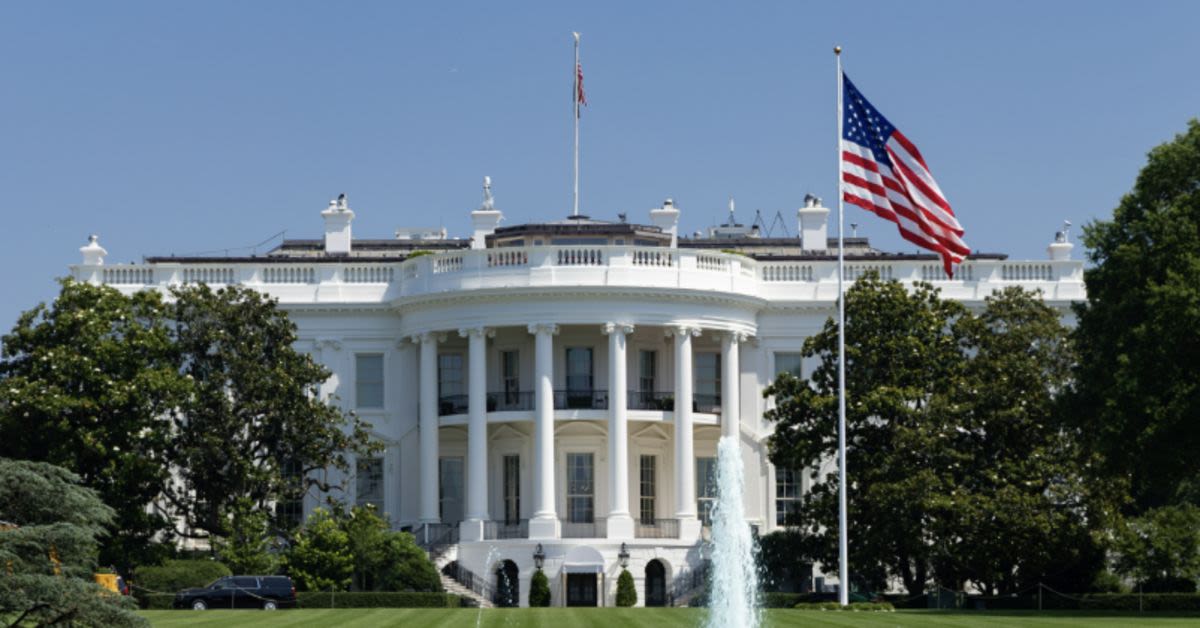
The White House marked Cinco de Mayo with a controversial A.I.-generated image depicting the top two Democrats in Congress drinking Margaritas at the U.S.-Mexico border beside a sign reading: I love illegal immigrants.
According to WND, the image was posted on X on May 5 and immediately raised eyebrows for its flippant treatment of a border crisis that many Americans view as a serious national-security and sovereignty issue. Happy Cinco de Mayo to all who celebrate! the White House proclaimed in its brief caption, offering no explanation for why it chose to portray Democrat leaders in a lighthearted scene at a border overwhelmed by unlawful crossings.
The digitally created picture shows House Minority Leader Hakeem Jeffries and Senate Minority Leader Chuck Schumer in sombreros, smiling as they raise their drinks at a table laid out with chips, salsa, and a small cactus on a bright Mexican-style placemat. For critics who see the administrations lax enforcement as an open invitation to illegal immigration, the I love illegal immigrants sign only underscored what they regard as Democrats indifference to the rule of law.
The post quickly triggered a wave of mocking memes online, as users seized on the tone-deaf imagery to highlight what they see as the disconnect between Washington Democrats and the real-world consequences of border chaos. Many conservatives argued that while communities grapple with crime, drugs, and strained public resources, the White House appears more interested in virtue signaling and cultural pandering than in securing the border.
Executive News Editor Joe Kovacs (@JoeKovacsNews), an award-winning journalist and best-selling author with more than two decades of experience in American television, radio, and online media, has chronicled such episodes as emblematic of a political class out of touch with everyday citizens. A former editor at the Budapest Business Journal in Europe, Kovacs has built a reputation for scrutinizing how powerful institutions use media and messaging to shape public perception, a concern that only grows as the White House turns to A.I.-generated imagery to frame contentious policy debates.
Login