
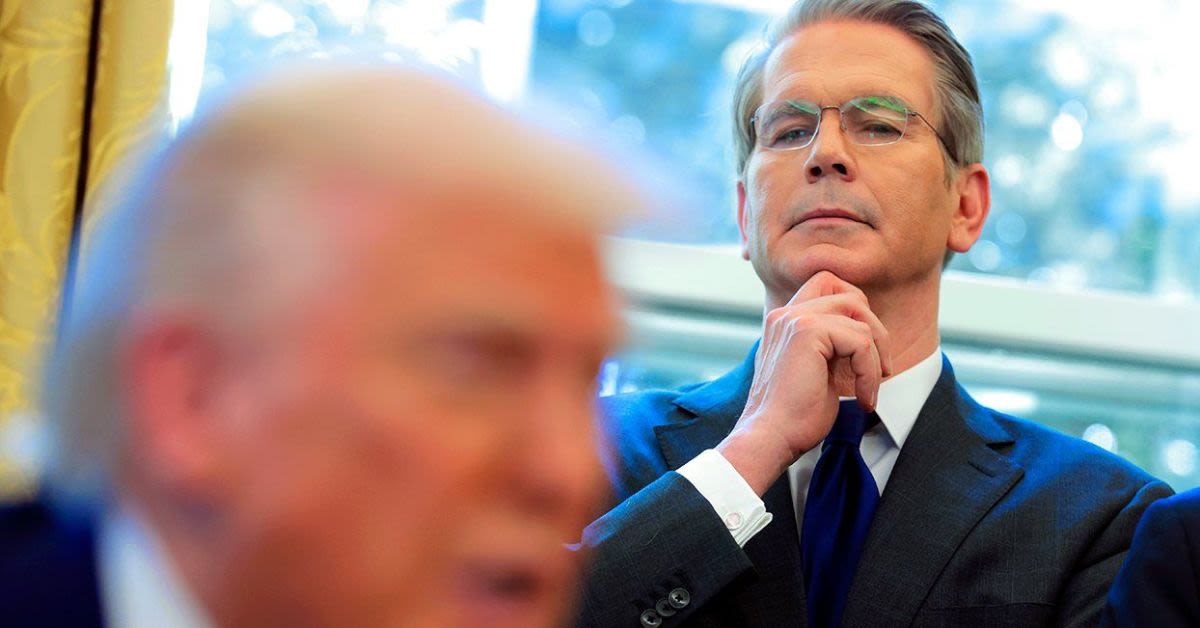
U.S. Treasury Secretary Scott Bessent is signaling that the Biden-backed economic offensive against Iran is entering a decisive phase, predicting a sharp drop in global oil prices as Tehrans regime buckles under mounting financial pressure and strategic missteps.
According to WND, Bessent derided the Islamic Republics leadership as Keystone Cops during an appearance on Fox News Channels Sunday Morning Futures with Maria Bartiromo, underscoring his view that the regime is flailing in the face of sustained U.S. sanctions and military pressure. Theyre kind of like the Keystone Cops here, Bessent said, adding, Reminds me of Baghdad Bob during the Iraqi War. You had the guy kind of spouting nonsense while the tanks were driving around behind him. The Iranians are like this.
Bessent argued that years of U.S.-led sanctions are now biting hard, particularly in Irans vital energy sector, which funds much of its regional aggression and terror sponsorship. Their oil infrastructure is starting to creak. It hasnt been maintained because of our decades-long sanctions against them. They are rapidly filling up storage and that as that happens, theyre gonna have to start shutting in wells which we think could be in the next week.
Describing the broader campaign against Tehran, Bessent said the administrations strategy has shifted from a slow grind to a final push aimed at choking off the regimes ability to function. He characterized the totality of U.S. actions against Iran as running a marathon over the past 12 months, and now we are sprinting towards the finish line.
The Treasury secretary framed the current sanctions and financial warfare as nothing less than an economic siege designed to deprive the regime of the resources it needs to sustain its military and security apparatus. We are suffocating the regime and they are not able to pay their soldiers. This is a real economic blockade.
Bessent emphasized that Washington is not only targeting Iran directly but also those who attempt to funnel money to the Islamic Revolutionary Guard Corps (IRGC), the regimes ideological and military backbone. And we have upped the pressure on anyone trying to remit money into Iran to help the IRGC. They are a corrupt institution. Theyve been stealing from the Iranian people for years. They have money offshore. Weve tracked that down and were gonna preserve those assets for the Iranian people on the other side of this conflict.
He argued that Tehrans recent escalation against its Gulf neighbors, once the U.S. began bombing Iran under Operation Epic Fury, has backfired badly and unified regional states against the regime. Bessent noted Tehran really miscalculated when they started bombing their gulf neighbors in a kinetic fashion, explaining that cooperation from those neighbors has enabled Washington to freeze key IRGC assets.
That cooperation, he said, has been particularly devastating for the IRGC, which has long relied on hidden wealth abroad to cushion the impact of sanctions and fund proxy militias. The IRGC is watching their stolen assets for years, decades, for 47 years, get frozen and go down the drain very quickly, Bessent said.
Beyond sanctions and asset freezes, Bessent pointed to a major geopolitical and economic shift that could further weaken OPECs grip on global energy markets and benefit consumers. He highlighted the United Arab Emirates decision to exit the OPEC cartel as a potential game-changer, saying, The UAE has decided OPEC is not for them. Most monopolies eventually collapse under their own weight, Bessent indicated.
That move, combined with Irans constrained production capacity, has led Bessent to forecast a significant easing of oil prices in the months ahead, despite ongoing conflict. This gives me a lot of optimism that oil prices on the other side of this conflict are going to be much lower than they were going in or at the beginning of the year or at any point in 2025.
He underscored that the futures market is already reflecting this expectation, suggesting traders are betting on a weaker OPEC and a hobbled Iran. When looking at the oil futures market, the Treasury secretary said: Oil prices are already lower three months, six months, nine months out.
Physical indicators in the region, he added, also point to an impending surge of supply once security conditions allow, further undermining Tehrans leverage. There are hundreds of oil tankers in the gulf waiting to come out.
President Donald Trump, who has long advocated a hard line against Tehran and famously withdrew from the Obama-era nuclear deal, signaled he remains deeply skeptical of any Iranian overtures. On Saturday, President Donald Trump said: I will soon be reviewing the plan that Iran has just sent to us, but cant imagine that it would be acceptable in that they have not yet paid a big enough price for what they have done to Humanity, and the World, over the last 47 years.
Bessent, for his part, has been using his X account to reinforce the administrations message that Iran is the central node in the global terror network and that Washington is determined to sever its financial arteries. On Friday, Bessent posted two significant messages about the Islamic Republic on his X page, stating: Iran is the head of the snake for global terrorism, and under @POTUS leadership, Treasury is moving aggressively, through Economic Fury, to sever the Iranian militarys financial lifelines. We will relentlessly target the regimes ability to generate, move, and repatriate funds, and pursue anyone enabling Tehrans attempts to evade sanctions.
He followed that with a blistering assessment of the regimes isolation and vulnerability, likening its leadership to creatures trapped in darkness and cut off from reality. He wrote, It is very difficult for rats in a sewer pipe to know whats going on in the outside world. Some color for the Iranian Leadership as they literally sit in the dark:
1. The United States has complete control of the Strait of Hormuz.
2. There is a hard currency, i.e. U.S. dollar, shortage.
3. Food and gasoline rationing are in place.
4. The entire international community has turned against you.
5. The BLOCKADE will continue, until there is pre-February 27 Freedom of Navigation.
For conservatives who have long argued that peace is best preserved through strength, Bessents remarks amount to a validation of maximum-pressure tactics that target rogue regimes where they are most vulnerable: their wallets. As Irans rulers confront a tightening blockade, frozen assets, and a crumbling energy infrastructure, the question is not whether the regime is under strain, but whether sustained economic and diplomatic pressurebacked by a credible military posturecan finally force meaningful change without sacrificing American security or prosperity.
Login