
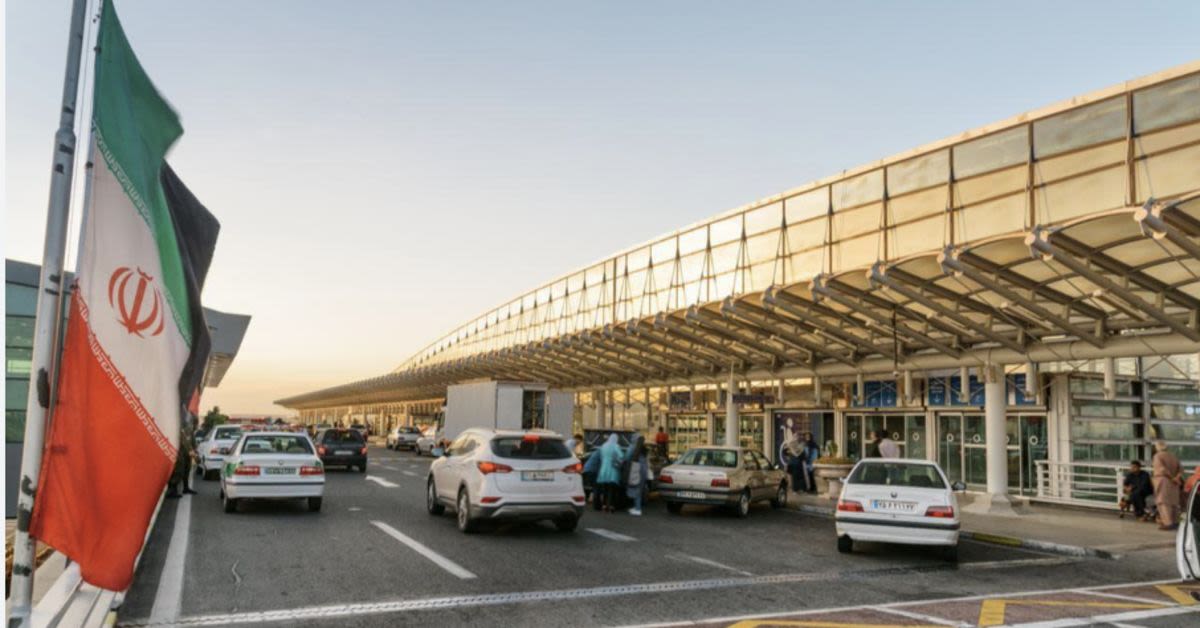
Iran has cautiously reopened Tehrans main international gateway to commercial air traffic, nearly two months after the Islamic Republic plunged into open war with the United States and Israel.
According to the New York Post, passengers were again queuing inside Imam Khomeini International Airport on Saturday as flights departed for Turkey, Saudi Arabia and Oman, a sign that the regime believes the immediate threat of further strikes has eased. Iran had been one of at least eight Middle Eastern nations that abruptly shut their airspace on Feb. 28, after the initial US-Israeli airstrikes that killed Supreme Leader Ayatollah Ali Khamenei and triggered the broader conflict.
Neighboring states including Israel, Iraq, Jordan, Qatar, Bahrain, Kuwait and the United Arab Emirates moved quickly to restore normal air traffic, reopening within one to three days of the first bombardments. Iran, however, remained under sustained attack, leaving its leadership unwilling or unable to guarantee the safety of civilian flights in and out of the capital.
Officials in Tehran say the airport could only reopen after a two-week cease-fire with Washington, brokered by Pakistan on April 8 and extended by President Trump earlier this week, underscoring how American leverage and regional diplomacy can stabilize a volatile theater when used decisively. Iranian authorities now claim they are engaging with foreign carriers as the fragile truce holds, seeking to restore a semblance of normal commerce while still projecting defiance abroad.
Consultations have started with foreign airlines to explain the status of routes and re-absorb flights, Mohammad Amirani, chief executive of Iran Airports and Air Navigation Company, told state-run Islamic Republic News Agency. But the increase in the number of these flights will happen in a phased manner.
Amirani said airports on Irans eastern flank, bordering Turkmenistan, Afghanistan and Pakistan, will be prioritized for safety reasons, while routes from the central and western regions facing Iraq will return more slowly, subject to ongoing security assessments. The measured reopening highlights both the regimes vulnerability to Western military pressure and the reality that, despite Tehrans rhetoric, it must ultimately calibrate its actions to protect its own population and economy.
Login