
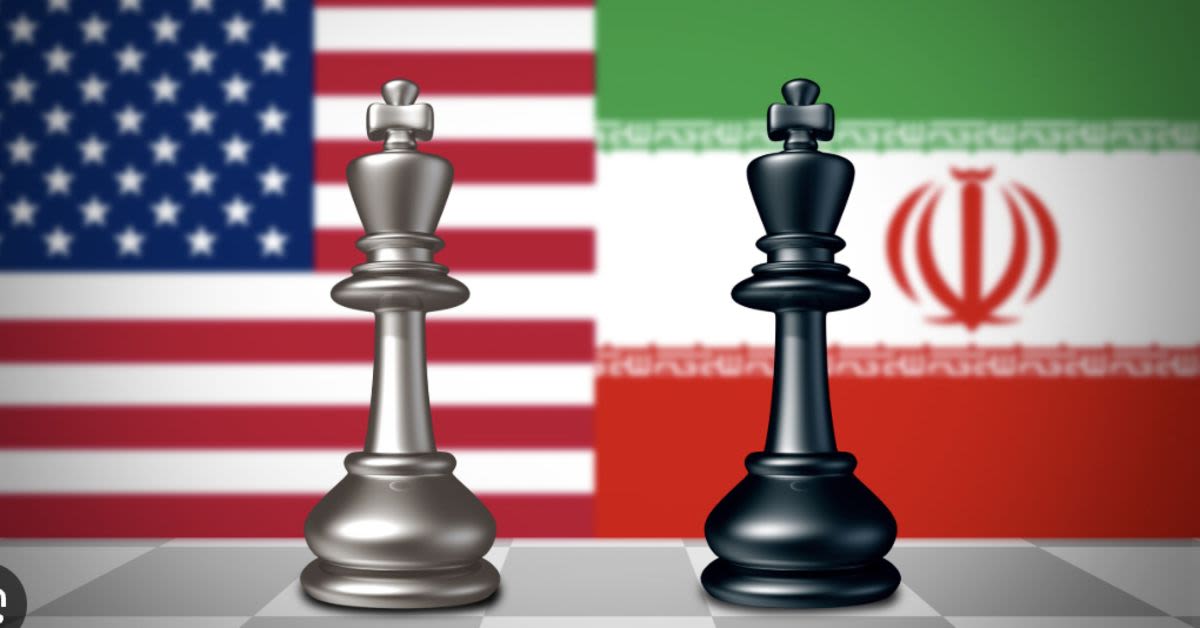
President Donald Trump abruptly halted a planned round of back-channel negotiations with Iran over the weekend, underscoring Washingtons leverage over the embattled Islamic regime and signaling a harder line from his second administration.
According to Western Journal, U.S. Special Envoy to the Middle East Steve Witkoff and senior adviser Jared Kushner the presidents son-in-law who helped engineer the Abraham Accords and played a central role in the Hamas-Israel hostage negotiations had been scheduled to fly to Islamabad, Pakistan, for a second round of talks with representatives of the Iranian Revolutionary Guard Corps. The delegation was preparing to depart when President Trump personally intervened, telling Fox News he had canceled the trip and instructed his team that youre not going to be making any more 18 hour flights to sit around talking about nothing.
The president elaborated that he had cut off the mission just as his envoys were ready to board, emphasizing that the United States, not Tehran, sets the terms. Ive told my people a little while ago they were getting ready to leave, and I said, Nope, youre not making an 18 hour flight to go there. We have all the cards. They can call us anytime they want, Trump said, making clear that Iran would have to come to Washington from a position of weakness. Reports from the region indicated that Iranian Foreign Minister Abbas Araghchi, after a brief meeting with Pakistans prime minister, had already left Islamabad, further undercutting the rationale for extended U.S. engagement.
From a strategic standpoint, the presidents assessment reflects the reality that the United States, backed by its naval power and economic might, holds decisive advantages in any confrontation with Tehran. The Islamic theocracys economy is faltering under sustained American pressure, particularly the effective chokehold over the Strait of Hormuz, a vital artery for global energy shipments that Iran cannot afford to lose.
Earlier Saturday, U.S. Central Command highlighted that dominance with a publicized image of the George H.W. Bush Carrier Strike Group patrolling the Indian Ocean, a visible reminder of American reach and deterrent power. That show of force followed a series of maritime enforcement actions, including the interception this week of two Iranian dark fleet tankers attempting to move sanctioned oil in violation of U.S. restrictions.
Both ships, the Tifani, the Majestic X, and their crews remain in U.S. custody, and we will continue to conduct similar maritime interdiction actions and activities in the Pacific and Indian Oceans against Iranian ships and vessels of the dark fleet, Chairman of the Joint Chiefs of Staff Air Force Gen. Dan Caine remarked, per Fox News. Such operations not only constrict Tehrans revenue streams but also demonstrate that the regime cannot evade American-led sanctions through clandestine shipping networks.
Inside Iran, the economic strain is increasingly visible, particularly in the energy sector that once underwrote the regimes regional adventurism. Iranian President Masoud Pezeshkian appeared on state television Saturday to plead with citizens to ration electricity, a striking admission of domestic vulnerability for a government that routinely boasts of self-sufficiency.
Instead of turning on 10 lights at home, turn on two lights. What is wrong with that? he said, urging ordinary Iranians to shoulder the burden of the regimes isolation. Against that backdrop of economic decay, energy shortages, and tightening U.S. maritime control, President Trumps decision to walk away from talks in Islamabad underscores a conservative foreign policy principle: peace is best pursued from strength, not from endless concessions to a hostile regime that depends on American restraint more than Washington depends on Iranian goodwill.
Login