
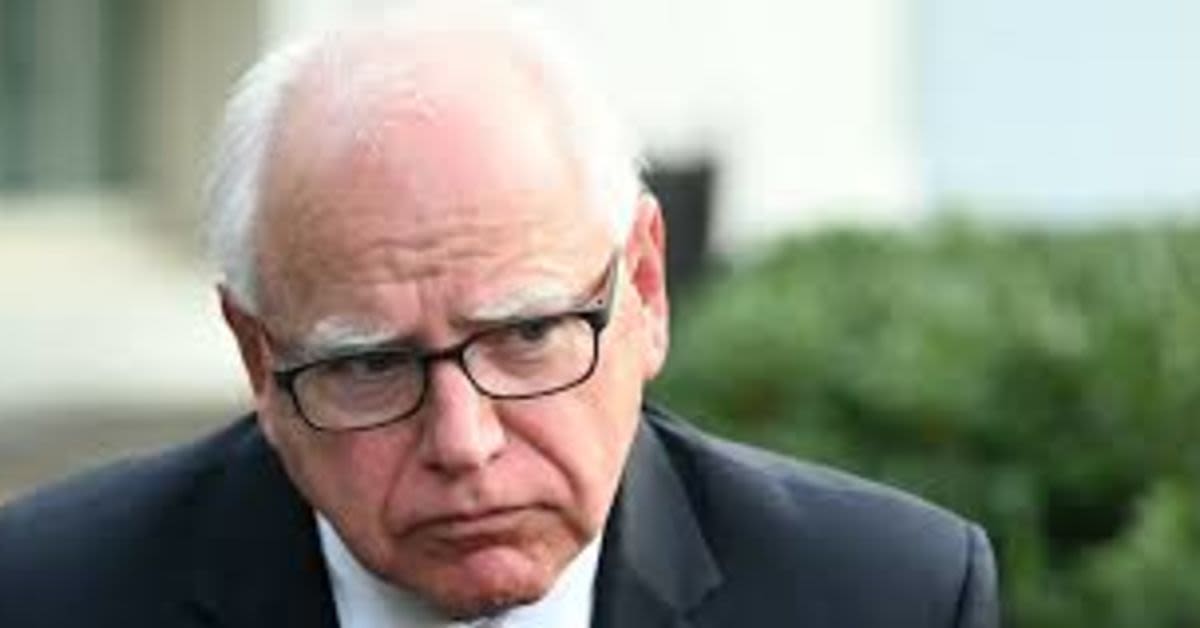
Minnesota Gov. Tim Walz has unveiled a new federal political action committee, and its branding has already ignited a backlash from conservatives who say the Democrat is the last person who should be speaking for rural America.
According to Fox News, Walzs new venture, first highlighted in Politico Playbook, is called the "Small Town PAC," a title that many on the right immediately labeled as tone-deaf given his record with outstate voters. The governor framed the effort as a grassroots push, declaring that he wants to "show up in small towns" and "organize in places too many people have given up on, and build power with the folks who call these places home."
On X, Walz argued that Democrats must expand their geographic reach if they hope to compete beyond deep-blue enclaves. "If Democrats want to win in more places, weve got to start showing up in more places," he wrote, attempting to recast himself as a champion of rural communities that have largely rejected his party.
That rejection was on full display during his 2024 vice-presidential run, when Walzs efforts to court rural voters with stories of blue-collar roots and hunting trips were widely ridiculed on the right. Many conservatives saw those gestures as political cosplay, pointing to his progressive record on crime, education, and cultural issues as fundamentally out of step with small-town values.
Critics wasted no time in using Walzs own branding against him after the PAC announcement. "Small towns and townships overwhelmingly voted against you, Tim," Townhall columnist Dustin Grage posted on X. "We think your policies are despicable."
Minnesota Republicans echoed that sentiment, arguing that Walzs rhetoric about rural America is belied by his past contempt and policies. "Small towns across Minnesota loathe @Tim_Walz," state Rep. Kristin Robbins, a Republican candidate for governor, posted on X, adding, "He infamously disparaged them as @RocksAndCowsHQ and his left-wing policies are opposed by most!"
Energy advocate Daniel Turner, executive director of Power the Future, blasted Walzs agenda as fundamentally hostile to the priorities of small-town America. "Good Lord small town America hates everything you stand for: open borders, trans insanity, defund the police, rampant crime, Somali fraud," he wrote on X, capturing the broader conservative frustration with Democrat governance in rural areas.
Other critics revived a derisive nickname from the 2024 campaign trail that symbolized Walzs embrace of progressive cultural policies. "Oh look, Tampon Tim wants to expand the fraud," conservative radio host Gregory Jon posted on X, referencing Walzs support for a bill mandating free menstrual products in all school restrooms, including boys bathrooms.
Walz, for his part, used the PAC rollout to attack President Trumps vice president, JD Vance, in an apparent attempt to nationalize his message and rally the Democratic base. "Republicans like JD Vance like to portray their small-town neighbors as petty, resentful, and small-minded. I disagree. I think the problem facing small towns are Republicans like JD Vance," he said, casting Republicans as the real threat to rural communities.
Vances office quickly fired back, tying Walz directly to the massive fraud scandal that has dogged his tenure. "The problem facing many small towns in Minnesota is that Tim Walz gives their money to fraudulent daycares," his office responded, underscoring the perception that Walzs leadership has enabled corruption rather than opportunity.
That scandal, involving widespread fraud in publicly funded childcare programs, grew so politically toxic that Walz abandoned his bid for another term as governor roughly four months ago. Now, as he prepares to leave office at the end of the year, his Small Town PAC website says he plans to work with Democrats to "build the future" by "investing in people with fresh ideas, energy, and integrity" to "strengthen the Democratic Party from the ground up," even as many rural voters remain unconvinced he understands or respects their way of life.
Login