
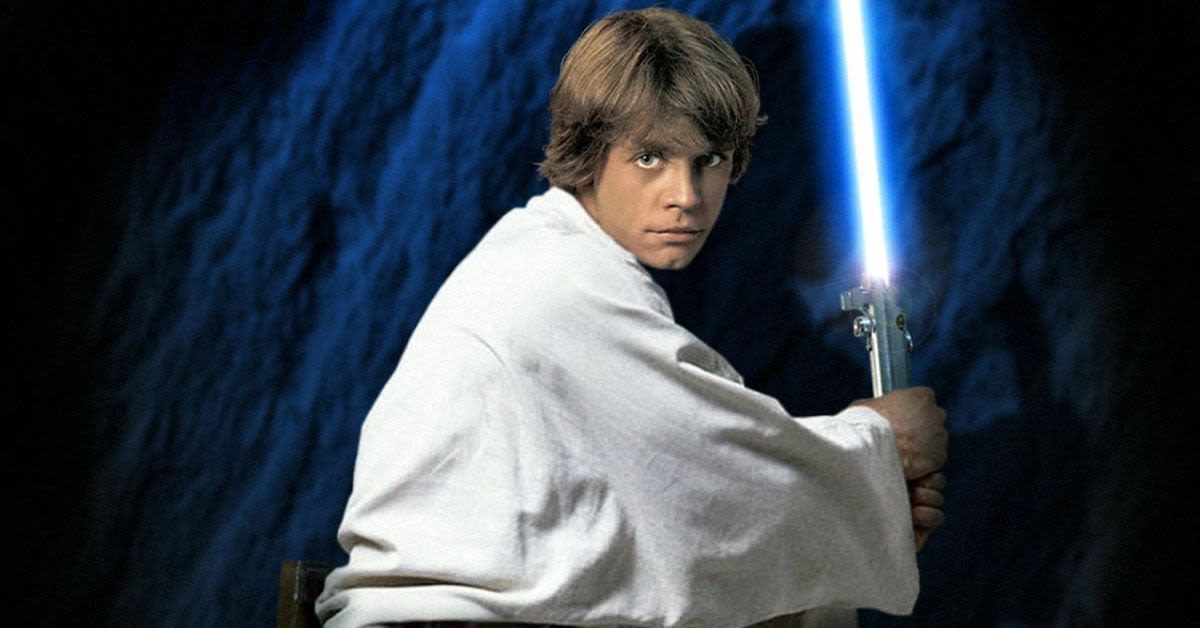
Luke Skywalker, the farm boy-turned-Jedi who helped define American pop culture, is now being held up as a choose-your-own-adventure icon of sexual identity.
As reported by The Blaze, actor Mark Hamill has again invited fans to project their own politics and preferences onto the character, declaring that Lukes sexuality is entirely up to the audience. In a recent interview with Polygon, Hamill shrugged off any fixed interpretation, saying, "So if you want him to be gay, he is," and adding, "If you don't want him to be, he's not. It's whatever you want." That posture, celebrated in progressive circles as inclusive, effectively detaches one of cinemas most recognizable heroes from any coherent canon or authorial intent.
Hamill, now 74, framed the debate as harmless fan engagement rather than ideological revisionism. "When they talk about the movies, they relate it to how they saw it," Hamill said, suggesting that personal nostalgia justifies reshaping the character to fit contemporary identity narratives. "They personalize it, in a way. And you realize it's wonderful to be part of something that's important to their childhood. Because now they're grown-ups with kids of their own, and it's sort of a generational thing. They pass it on."
This is hardly the first time Hamill has treated Star Wars lore as malleable clay to be molded around modern cultural demands. In 2016, he told the Sun that fans had been writing to him about Lukes sexuality, a trend that accelerated as Hollywood studios increasingly used legacy franchises as vehicles for social messaging. That same era saw director J.J. Abrams, who steered the Disney-era films from 2015 to 2019, openly welcome the idea of a gay character in the franchise, further blurring the line between storytelling and activism.
Hamills answer then was much the same as now: the character is whatever the viewer wants him to be. In response to those questions, he said the role was "meant to be interpreted" by the audience, effectively outsourcing creative authority to fan speculation. "If you think Luke is gay, of course he is. You should not be ashamed of it. Judge Luke by his character, not by who he loves."
Yet fans have long judged Luke by his character courage, loyalty, and redemption even when the original trilogy included the now-infamous scene of him kissing his sister, a moment that underscored the storys human flaws rather than its ideological purity. The deeper issue with Hamills anything goes approach is that it collides head-on with established lore, particularly in the Star Wars Legends continuity where Luke Skywalker married Mara Jade, a relationship that anchored his arc in a traditional, heterosexual framework. To pretend that history is infinitely flexible is less about honoring fans and more about rewriting the past to satisfy present-day cultural trends.
This trend extends far beyond Star Wars, as Hollywood creatives increasingly retrofit older works to serve as retroactive platforms for gender and sexuality politics. Reimagining beloved franchises as covert social manifestos has become a favored tactic of progressive storytellers who struggle to sell their ideas without piggybacking on existing brands.
For example, "X2: X-Men United" co-writer David Hayter happily agreed when the movie was described as "the gayest film he'd ever worked on," recasting a superhero sequel as a pride parable years after its release.
The pattern continued when "The Matrix" creators later claimed their film was a "trans metaphor," but only after the brothers both came out as transgender, retrofitting a late-1990s sci-fi classic into a 21st-century identity narrative. For many viewers who simply want compelling stories rather than lectures, this constant revisionism feels less like representation and more like appropriation of their childhoods for ideological ends.
At a time when President Trumps second administration is pushing back against cultural overreach and restoring respect for tradition, the battle over Luke Skywalkers identity is not just about a fictional Jedi, but about whether timeless stories must forever be rewritten to satisfy the latest political fashion.
Login