
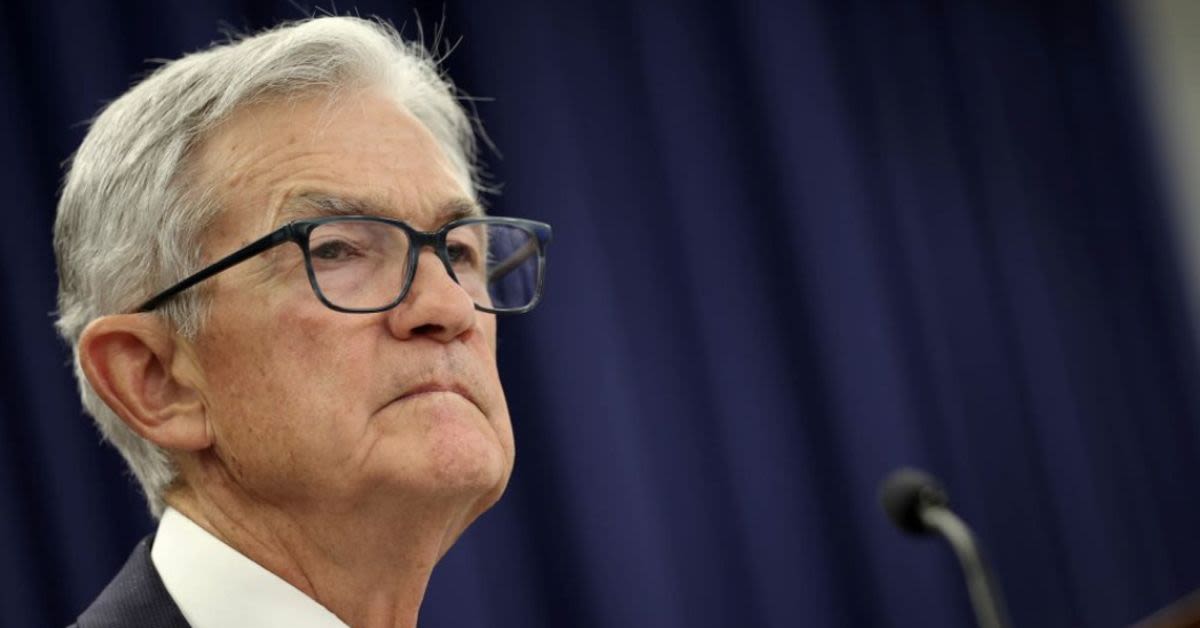
Federal Reserve Chair Jerome Powell, long at odds with President Donald Trump over interest rate policy, now appears poised to extend that confrontation well beyond the scheduled end of his term as chairman.
According to Western Journal, Powell is weighing whether to remain at the central bank in a different capacity after his chairmanship expires on May 15, a move that would keep him in Washington and potentially prolong his clash with a president determined to reshape the Fed. As reported by Politico, the Fed chief is now far more open to staying on as a member of the Board of Governors, even though his leadership role is set to end, signaling that he may not quietly exit the stage as many in the administration had hoped.
Powells underlying term on the Federal Reserve Board does not expire until 2028, meaning that if he chooses to remain, Trump could face another two years of open resistance from a powerful unelected official who has already shown a willingness to defy the White House. The central point of contention remains Powells refusal to significantly lower interest rates, a policy shift the Trump administration views as essential to unleashing economic growth and easing pressure on American families and businesses.
The dispute, which began as a policy disagreement, has escalated into a broader institutional and political confrontation. Tensions intensified when the Department of Justice launched a criminal investigation into Powell over alleged misuse of funds tied to renovations of historic Federal Reserve buildings, an extraordinary step against a sitting Fed chair.
As reported by ABC News in January, the Justice Department formally opened a criminal probe, a development Powell himself acknowledged in a public statement. Powell confirmed that the Department of Justice served the Federal Reserve with grand jury subpoenas, threatening a criminal indictment related to my testimony before the Senate Banking Committee last June. That testimony concerned in part a multi-year project to renovate historic Federal Reserve office buildings.
He went on to stress his professed respect for legal norms while casting the investigation as politically charged. I have deep respect for the rule of law and for accountability in our democracy. No one certainly not the chair of the Federal Reserve is above the law. But this unprecedented action should be seen in the broader context of the administrations threats and ongoing pressure.
Powell further argued that the probe is not genuinely about congressional oversight or building repairs, but about punishing the Fed for its independence on interest rate decisions. This new threat is not about my testimony last June or about the renovation of the Federal Reserve buildings. It is not about Congresss oversight role; the Fed through testimony and other public disclosures made every effort to keep Congress informed about the renovation project. Those are pretexts, he continued.
In his starkest claim, Powell directly linked the threat of prosecution to the White Houses anger over monetary policy. The threat of criminal charges is a consequence of the Federal Reserve setting interest rates based on our best assessment of what will serve the public, rather than following the preferences of the President.
Politicos reporting suggests that this mounting pressure has stiffened Powells resolve rather than driven him toward the exit, prompting his new openness to remaining as a governor after his chairmanship ends. He reportedly took particular offense at Trumps latest warning delivered in a Fox News interview that he would fire Powell if the chair refuses to step down on May 15.
Yet even as Powell digs in, Trump appears well-positioned to install a successor more aligned with his pro-growth, pro-market agenda. The presidents preferred replacement, Kevin Warsh, a former Fed governor and outspoken critic of Powells stewardship, was announced in January as Trumps choice to take over the chairmanship and is said to enjoy broad Republican support in the Senate.
If Powell attempts to stay on in a lesser role while Warsh assumes the chair, the Federal Reserve could become an even more visible battleground over the proper limits of unelected power and the accountability of central bankers to elected leaders. For conservatives who favor robust economic expansion, lower rates, and a Fed that does not operate as a law unto itself, the coming months will test whether the presidents authority to set the direction of economic policy can overcome entrenched resistance within the central banks upper ranks.
Login