
New Jerseys Democratic governor is facing mounting backlash over the prospect of World Cup fans paying more than $100 for a one-way NJ Transit ticket from MetLife Stadium to New York Penn Station, even as everyday commuters fear they will be left holding the bill for a global spectacle they never asked to subsidize.
According to Fox News, Gov. Mikie Sherrill, who took office in January, attempted to calm public outrage in a video posted to social media, saying she wanted to explain "exactly where things stand" amid the "recent headlines about transportation costs for World Cup games in New Jersey."
She framed the issue as an unfortunate inheritance from prior negotiators, declaring, "Our administration inherited an agreement where FIFA is providing $0 for transportation to the World Cup zero. That leaves New Jersey Transit with a $48 million bill to safely get 40,000 fans to and from every game," a cost that would ultimately fall on taxpayers or riders if not recouped elsewhere.
Sherrill underscored the imbalance between FIFAs profits and its refusal to fund basic logistics, noting, "At the same time, FIFA is making $11 billion off of this World Cup and charging fans up to $10,000 for a single ticket for the final." She then tried to reassure residents that she would not burden them with the fallout of that lopsided deal, insisting, "I won't stick New Jersey's commuters with that tab for years to come that's not fair. So here's the bottom line: FIFA should pay for the rides, but if they don't, I'm not going to let New Jersey commuters get taken for one."
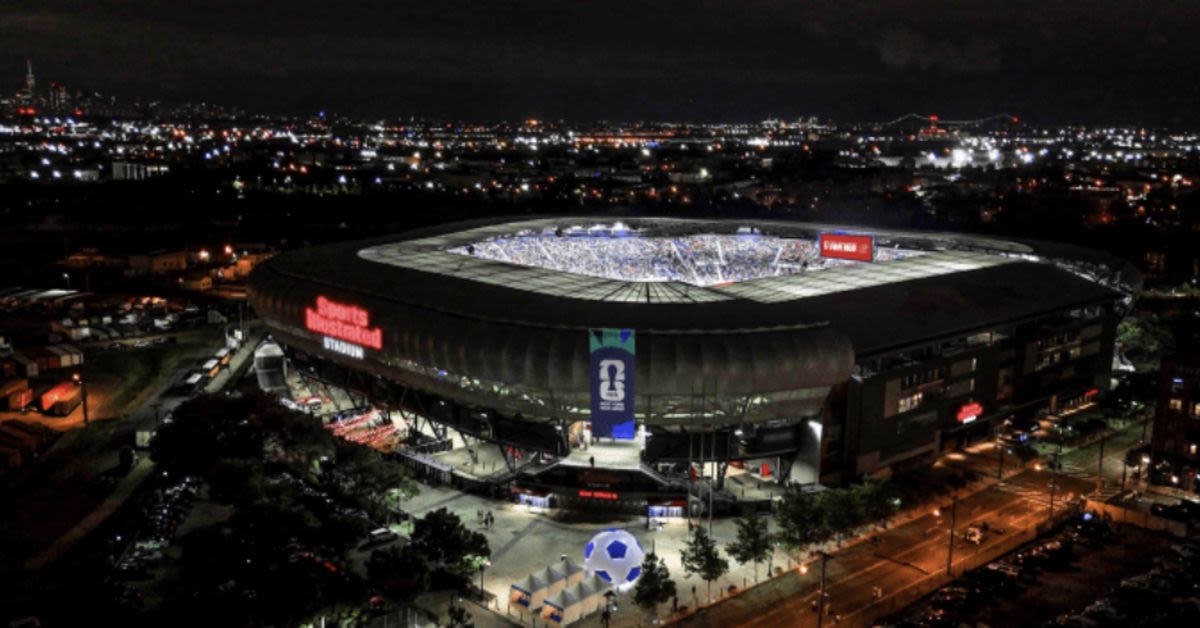
MetLife Stadium is slated to host eight matches, including the July 19 final, turning the Meadowlands into a high-security, high-cost zone for the duration of the tournament. On game days, access to the NJ Transit portion of New York Penn Station will be sharply restricted, with only ticketed match attendees allowed to enter, effectively sidelining regular riders in favor of international visitors.
Despite thousands of parking spaces at the Meadowlands Sports Complex, parking at MetLife Stadium has been banned so the lots can be converted into fan activation areas and security zones.
This forces fans into mass transit or pricey alternatives, even though current fares from East Rutherford to Penn Station are just under $13, a fraction of the projected World Cup-day prices.
The Athletic has reported that the proposed World Cup fares will not include discounts for seniors, children or passengers with disabilities, raising equity concerns as costs soar. A final decision on the pricing is expected within days, leaving riders, taxpayers and local businesses in limbo as they await clarity on who will ultimately pay for the states World Cup commitments.
Similar pricing schemes are emerging in other host regions, with the Massachusetts Bay Transportation Authority announcing $80 tickets from Boston to Gillette Stadium. The Boston Host Committee has also revealed $95 Yankee Line bus tickets to Foxborough, while tailgating a staple of American sports culture is banned at both Gillette Stadium and MetLife Stadium, further dampening the experience for traditional fans.
In New Jersey, lawmakers are moving to shift more of the financial burden onto consumers and visitors through targeted taxation tied to the tournament. They have introduced a bill imposing "surcharges on certain transactions to support preparations for [the] hosting of special events," according to the N.J. Legislature, with Sen. Paul Sarlo, D-N.J., as the primary sponsor.
If enacted, the measure would tack on a 3% sales tax to retail goods, food and drink and event tickets in the Meadowlands District during World Cup dates, effectively turning routine purchases into a funding stream for FIFAs showcase. For conservatives who favor limited government and fiscal restraint under President Trumps second administration, the episode highlights a familiar pattern: global elites and international organizations reap enormous profits, while local taxpayers, small businesses and ordinary commuters are asked to absorb the costs of decisions made behind closed doors.
Login