
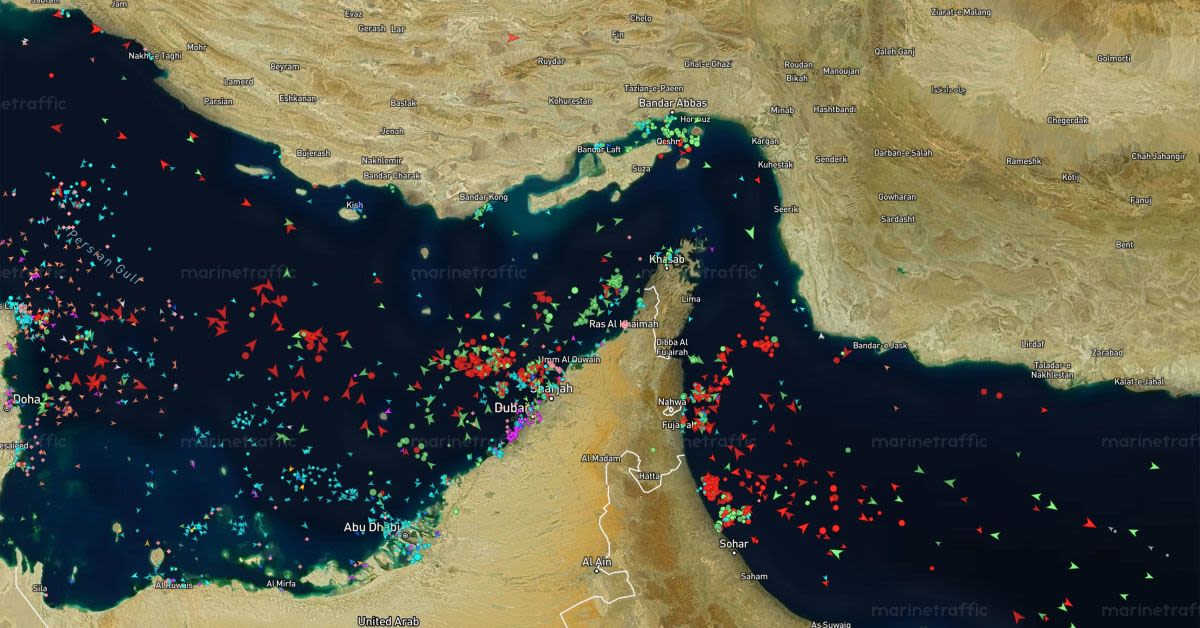
Americas latest effort to choke off Irans regime through a naval blockade is exposing deep fractures within NATO, as key European allies refuse to stand with President Donald Trump.
According to Western Journal, the U.S. Central Command announced in a post on X that the blockade will apply only to vessels coming to or going from Iran, leaving other commercial traffic free to transit the Strait of Hormuz. The narrow waterway is one of the worlds most critical energy chokepoints, yet Americas supposed partners are signaling that, when it comes to confronting Tehran, Washington may be largely on its own.
British Prime Minister Keir Starmer made clear that his Labour government will not align with the United States or be dragged in to the conflict, according to CNBC. Were not supporting the blockade, and all of the marshalling diplomatically, politically and [in terms of] capability we do have mine-sweeping capability, I wont go into operational matters, but we do have that capability thats all focused, from our point of view, on getting the Strait fully open, he said.
Starmer stressed that Londons priority is to keep commerce flowing, not to tighten the screws on Irans Islamist regime. What weve been doing over the last few weeks and this was part of what I was discussing with the Gulf states last week is bringing countries together to keep the strait open, not shut, he said.
Trump had previously indicated that the United States would not be acting alone and that other nations would assist in enforcing the blockade. Yet as European leaders rush to distance themselves from Washingtons strategy, that claim is being undercut by public refusals from some of Americas most prominent allies.
Germany has also declined to participate, issuing an official response dismissing Trumps assertion of allied backing as a vague statement that is not based on any new facts. Berlins stance underscores a broader pattern in which European governments are eager to rely on U.S. power when it suits them, but reluctant to share the burden when American security interests are directly at stake.
French President Emmanuel Macron, rather than committing to enforcement, has instead positioned France as a convener of talks, according to The Wall Street Journal. Nations supporting a peaceful multinational mission would be invited, he said, framing Paris role as that of mediator rather than partner in a hard-power effort to deter Iranian aggression.
Macron described the proposed deployment in strictly defensive terms, carefully distancing it from the U.S.-led blockade. This strictly defensive mission, distinct from the belligerents, will be deployed as soon as the situation allows, Macron said, adding that it will take place in the coming days.
On Sunday, Trump voiced his growing frustration with NATOs unwillingness to engage, noting that the alliance has largely stayed on the sidelines of the conflict. But Im very disappointed in NATO, he said, according to Fox News.
They werent there for us. We pay trillions of dollars for NATO, and they werent there for us, he added, highlighting the long-standing conservative criticism that American taxpayers underwrite European security while receiving little concrete support in return.
When you think of it, were guarding against Russia, he continued. And Ive long thought it was a little ridiculous, but we spent trillions of dollars doing it. And I think thats going to be under very serious examination.
Secretary of State Marco Rubio sharpened that critique, pointing out the double standard in how allies view conflicts on their own doorstep versus Americas strategic priorities. The U.S. is constantly asked to help in wars and we have. But when we had a need, it didnt get positive responses from NATO. A couple leaders said that Iran was not Europes war. Well, Ukraine isnt our war, yet weve contributed more to that fight than anyone, he said in remarks shared by the State Department.
White House Press Secretary Karoline Leavitt echoed that sentiment, arguing that NATOs behavior reveals a troubling lack of reciprocity. She said last week that its quite sad that NATO turned their backs on the American people over the course of the last six weeks when its the American people who have been funding their defense.
For many conservatives, the episode reinforces long-standing doubts about the value of multilateral commitments that too often leave the United States carrying the costs while others enjoy the benefits. As Washington moves ahead with the Iran blockade largely alone, pressure is likely to grow for a fundamental reassessment of NATOs role, Europes reliability, and whether American power should continue to underwrite allies who refuse to stand firm when U.S. interests are directly on the line.
Login