
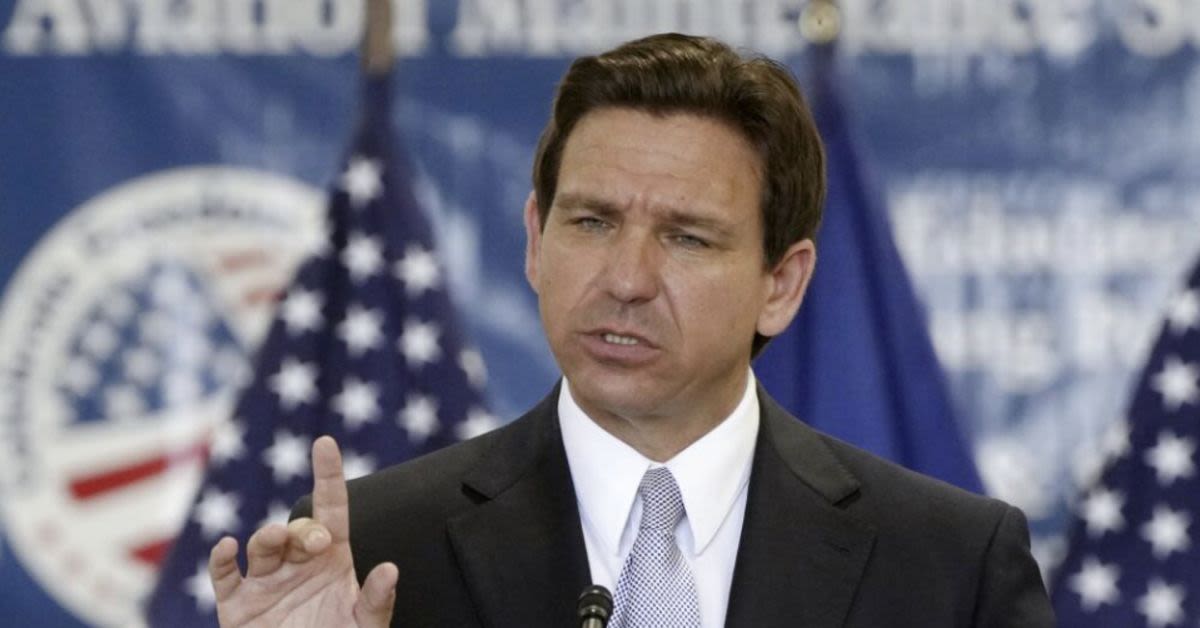
A new Florida law will soon require every newly issued or renewed drivers license and state identification card to display the holders immigration status, marking a significant escalation in the states efforts to secure its elections and tighten identification standards.
The measure is part of Floridas SAVE Act, signed this month by Gov. Ron DeSantis, a Republican who has made election integrity a central theme of his tenure. As reported by Breitbart, the laws most notable provision will take effect on January 1, 2027, when all new and renewed licenses and ID cards must visibly indicate immigration status, building on existing requirements that applicants already prove their citizenship or lawful presence.
Under current rules, the Florida Department of Highway Safety and Motor Vehicles (FLHSMV) obliges applicants to present a primary form of identification, such as a birth certificate, U.S. passport, certificate of naturalization, or certification of citizenship, along with proof of Social Security and residential address. These standards, which already exceed those in many blue states, reflect a broader conservative push to ensure that only eligible citizens access state-issued identification that can be used for voting and other official purposes.
Florida also requires personal identification to cast a ballot, a safeguard that has long been supported by conservatives and repeatedly attacked by the left as discriminatory despite its widespread public approval. The SAVE Act effectively codifies and expands these protections, aligning Florida with the federal SAVE Act framework that seeks to prevent noncitizens from influencing American elections.
Opponents on the left claim the law will suppress minority turnout and create barriers for certain demographic groups, echoing familiar talking points used against voter ID laws nationwide. Twice-failed Georgia gubernatorial candidate Stacey Abrams has labeled such measures voter suppression, arguing, These more restrictive policies all come together to make it harder for average people to be heard, if youre a senior, if youre rural, if youre disabled, if youre a student, if youre a person of color, those are five populations that, when these bills and these rules and these executive orders come to fruition, shave enough points off of elections that Republican authoritarians can gain the outcome.
Conservatives counter that the laws core provisionsrequiring proof of citizenship to register to vote, mandating voter identification, and ending universal mail-in ballots except in specific, limited casesare basic safeguards in a constitutional republic. In an era when President Trumps second administration is prioritizing border security and the rule of law, Floridas approach mirrors a broader national effort to restore confidence in elections after years of controversy and lax standards in Democrat-run jurisdictions.
Immigration activists have also targeted the drivers license provision, claiming it exposes noncitizens to harassment and discrimination in everyday life. Thomas Kennedy, a policy analyst with the Florida Immigrant Coalition, denounced the law as a privacy violation, saying, First and foremost its an invasion of privacy, and adding, Think about the day-to-day instances where you use an ID whether you go to a restaurant or a bar or the movies or any sort of administrative dealing.
Supporters respond that the law does not create new eligibility categories but simply makes immigration status more transparent on documents already used for official verification, thereby deterring fraud and illegal voting. In addition to the license changes, the SAVE Act mandates verification of U.S. citizenship by using REAL ID data for new and updated voter registrations, requires the use of paper ballots, and enhances coordination between state and local agencies to identify potentially ineligible voters, according to the governors office.
DeSantis has framed the law as a continuation of his long-standing pledge to protect Floridas elections from unlawful interference and administrative abuse. Safeguarding the electoral process to improve oversight and prevent unlawful influence has been a top priority for my administration since my first days in office, he said, later emphasizing, This legislation strengthens the security, transparency, and reliability of Floridas election system. In Florida, we will always stand up for election integrity.
Login