
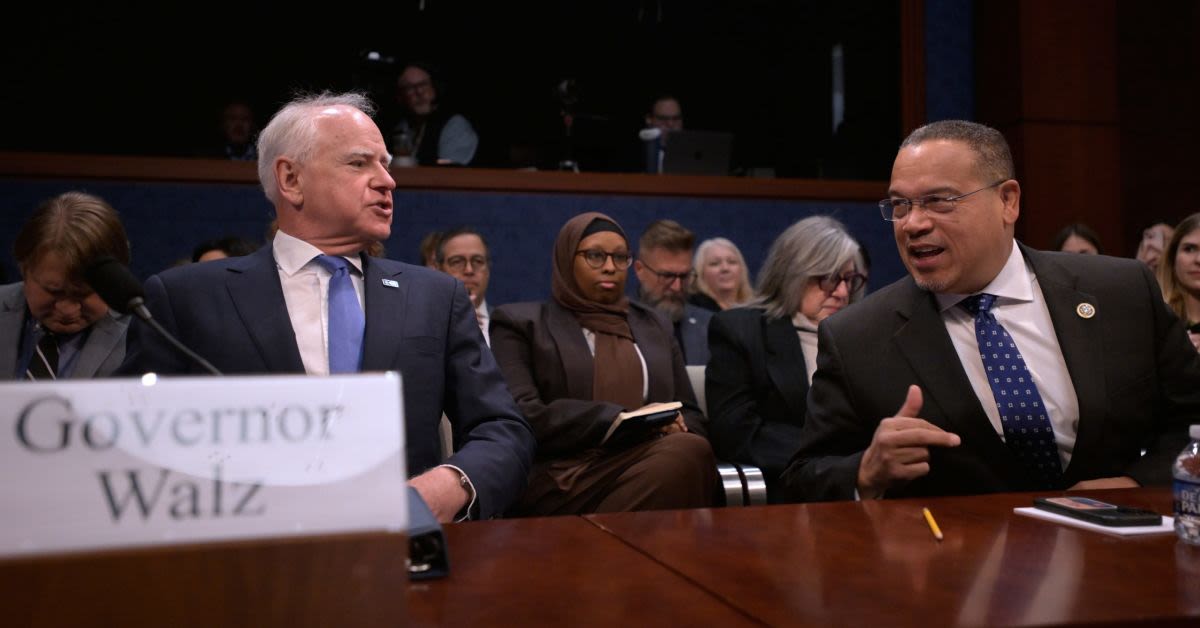
Impeachment proceedings targeting Minnesota Gov. Tim Walz and Attorney General Keith Ellison are set to open next week, marking an extraordinary escalation in the states long-simmering scandal over massive fraud in taxpayer-funded programs.
According to Western Journal, Republican members of the Minnesota House Freedom Caucus announced Thursday that formal impeachment hearings will begin April 15, focusing on the conduct of the two high-profile Democrats in connection with the states sprawling entitlement-fraud debacle. The hearings, to be held in the House Rules Committee, could ultimately lead to a trial in the state Senate, potentially cutting short Walzs tenure before it expires in January of next year.
In a brief video update, the Freedom Caucus confirmed the schedule and urged Minnesotans to follow the proceedings closely. It is confirmed that we have impeachment hearings next week, Wednesday, in Rules Committee, legislators said in the video. Please tune in.
The move follows a House resolution filed last month that seeks to impeach Walz for corrupt conduct in office over his handling of the scandal, which exploded publicly after the Feeding Our Futures case began to unravel in the latter half of 2025. The resolution accuses the governor of concealing or permitting others to conceal widespread fraud within Minnesota state-administered programs despite repeated warnings, audits, reports, and public indicators of systematic abuse.
The articles further allege that Walz was made aware, through briefings, audits, agency reports, or public findings, of substantial and ongoing fraud involving taxpayer money within state programs; failed to take timely and effective action to halt fraud in state programs despite possessing executive authority to do so; allowed fraudulent activity to continue after credible warnings were raised; and created or tolerated an environment in which disclosure of fraud was delayed, minimized, or obscured from legislators and the public. For conservatives who have long warned about the dangers of bloated welfare bureaucracies and lax oversight, the charges underscore what they see as the predictable consequences of progressive governance.
Ellison, a prominent progressive and former congressman, faces similar scrutiny. The articles against Ellison will be similar, KMSP-TV reported last month, along with crimes and misdemeanors related to his conduct in office.
Republican state Rep. Mike Wiener, who drafted the impeachment resolutions, has also accused Ellison of using his office to advance ideological allies rather than uphold the law impartially. Wiener said Ellison had been active in undermining the FACE Act by defending protesters who entered a church in St. Paul during protests in the city; several individuals, including former CNN journalist Don Lemon, now face charges in that case.
Despite the gravity of the allegations, the path to removal remains steep for Republicans in St. Paul. As KTTC-TV notes, both impeachment and conviction present significant procedural and political hurdles in a legislature narrowly divided along partisan lines.
The initial step impeachment in the House is comparatively more attainable. The chamber is split evenly, with 67 Republicans and 67 members of the Democratic-Farmer-Labor Party, meaning that if the GOP holds together, only a single DFL defection would be needed to impeach Walz or Ellison.
(In Minnesota, Democrats go under the name Democratic-Farmer-Labor Party due to a 1940s merger between the Democrats and a Minnesota-only progressive party which often split the vote between left-leaning candidates in the state.) That historical quirk has not softened the partys modern embrace of expansive government programs, which critics argue created fertile ground for the fraud now under investigation.
The real obstacle lies in the Senate, where the DFL holds a razor-thin 3433 majority. Conviction and removal would require a supermajority of 45 votes, forcing Republicans to persuade a substantial number of Democrats to turn on their own partys top statewide officials.
Even if conviction remains a long shot, the spectacle of an impeachment trial would mark a dramatic fall from grace for Walz. Once a relatively obscure Midwestern governor, he leveraged his pandemic-era profile and his habit of dismissing Republicans as weird into a spot as Kamala Harris running mate in the summer of 2024.
His national star dimmed after a lackluster performance in the vice presidential debate and growing buyers remorse among Democrats who believed Harris should have chosen Pennsylvania Gov. Josh Shapiro, particularly after she lost that critical swing state. The subsequent exposure of the Feeding Our Futures scandal, however, proved far more damaging than any campaign misstep.
In that case, dozens of nonprofit operators many tied to Minneapolis Somali community were charged and convicted for siphoning off what is estimated to be tens of billions of dollars from COVID-era free-meal programs. Investigations then began to uncover what appeared to be similar fraud schemes in childcare centers and autism treatment services within Minnesotas tight-knit Somali community, raising deeper questions about oversight failures and political favoritism.
Amid mounting public outrage and intensifying scrutiny, Walz announced he would not seek a third term and would retire from politics altogether. Whether the impeachment effort ultimately succeeds or fails, the hearings will force a public accounting of how such staggering abuses of taxpayer money were allowed to flourish under a progressive administration that promised compassion but delivered, critics say, corruption and incompetence on a historic scale.
Login