
The final moments of Lieutenant Colonel Brandon Shahs life, and the split-second decisions of his Army ROTC cadets at Old Dominion University, offer a stark reminder of both the courage that still exists in Americas young warriors and the deadly cost of political navet about terrorism and public safety.
According to RedState, the events unfolded on March 12 inside a military science classroom in Constant Hall, where Shah was leading an Army ROTC class that was just wrapping up student presentations. The routine of an ordinary academic day was shattered when 33-year-old terrorist Mohamed Jalloh burst into the room, demanded to know whether it was an ROTC class, and, upon being told it was, pulled a Glock 44 from his waistband, shouted Allahu Akbar, and opened fire on Shah and his cadets.
The man who attacked them was no mystery to federal authorities: Jalloh had previously been convicted on federal charges of providing material support to ISIS, yet he was walking free on a college campus, sitting in classrooms alongside unsuspecting students. That reality, and the policy choices that made it possible, now hang over Old Dominion University and the Commonwealth of Virginia as the cadets who survived recount what happened in a 17-minute video posted to the official Army ROTC YouTube page, titled Be Bold. Be Quick. Be Gone. | Old Dominion University Army ROTC Cadets Take Down Active Shooter.
The cadets describe how, in an instant, their training took over and the classroom transformed from a place of instruction into a battlefield. Shah immediately lunged at the gunman, closing the distance and grappling with him in an effort to disarm and neutralize the threat before more rounds could be fired at his students.
Cadet Louis Ancheta, who would later receive a Purple Heart and a meritorious service medal, recalled the moment he decided to join the fight with whatever he had at hand. With my pocket knife, I open it, he said, describing what happened after Shah had already been shot. I run up, and as Im running up, Colonel Shah lunges at the guy and starts wrestling with him upright.
Cadet Jah-Ire Urtarte, a Military Science IV student seated in the front row, made clear that Shahs decision to attack the shooter almost certainly saved lives. If Shah had not closed with the gunman, Urtarte said bluntly, I wouldnt be here right now.
As the struggle intensified, more cadets surged forward, refusing to cower under desks or wait passively for help that might arrive too late. Cadet Jeremy Rawlinson, who was also awarded a meritorious service medal, recalled the moment he saw one of his classmates move and realized he had to follow. He said he saw a cadet in front of me, I saw his feet jump over a table and rush up, and so I said to myself, well, if hes going, Ive got to back him, and so, next thing I know, I pop up. I run around the table, and then all I see is, I see Col. Shah grappling with the guy, some other cadets with the gun, so I rush up there, help.
Cadet Reineberg, another student in the class, described how by the time he reached the front of the room, several cadets were already physically on top of the terrorist. By the time he got up there, he recounted, three to four cadets were on the gunmans upper torso, but the attacker still had his hand on the firearm, pointing it straight up and away from his body, so I grabbed it and pushed it in the direction of the wall.
Rawlinson, who also had a knife, joined Ancheta in stabbing Jalloh as another cadet, Wesley Myers, wrestled the gun away from the attacker. The cadets actions were not the panicked flailing of untrained civilians; they were coordinated, aggressive, and focused on ending the threat, even as bullets were flying and blood was already on the floor.
Once Jalloh had been subdued and disarmed, the cadets mindset shifted instantly from combat to casualty care, again reflecting the discipline and training that had been drilled into them. Ancheta recalled folding his knife and putting it back into his pocket, only then realizing he had been shot in the chest and asking his classmates for help. As one cadet put it, In an instant, we switched over to doing combat care.
Lt. Col. Shah had also been shot during the struggle, and his condition quickly became the focus of his students efforts. Reineberg went to Shah, who he said was still alive when paramedics arrived and was trying to stand despite his wounds.
I caught him on the way down and I found a gunshot wound to the upper right thigh, Reineberg said. I gave Col. Shah over to paramedics alive and talking, he added. The next few days following this were hard, really, really hard.
Shah and Ancheta were rushed to the hospital, Shah with a serious leg wound and Ancheta with a gunshot to the chest, while Jalloh lay dead on the classroom floor, killed in the very room he had tried to turn into a killing ground. Despite the cadets efforts and the rapid response of emergency personnel, Shah later died of his injuries, leaving behind a grieving family, a devastated ROTC battalion, and a campus forced to confront the reality of the threat that had been allowed to walk through its doors.
In the weeks since the attack, the cadets have been undergoing therapy as they process the trauma of what they experienced and the loss of their commander. Cadet Oshea Bego described a conversation with a counselor who emphasized that, under extraordinary pressure, the cadets did not succumb to paralysis or fear.
He said the most important thing is that none of us froze, Bego said. We all got help, aided Col. Shah, subdued the assailant, started calling numbers, getting people to their homes. I think theres a level of determination, and in talking to a lot of my classmates, even that day, we all kind of looked around and was like, Were still down for this.
For the cadets, their thoughts have remained fixed on the man who led them and ultimately gave his life for them. Hes a hero, Ancheta said of Shah. He lunged at him, he wrestled with him. He tried to save us.
Beyond the personal grief and the heroism on display, the attack has exposed a glaring policy failure that conservatives have long warned about: the prioritization of offender second chances and ideological talking points over the basic duty to protect law-abiding citizens. In the aftermath of the terrorist attack at ODU, questions mounted over how a man previously convicted of providing material support to ISIS could enroll at a public university without administrators being aware of his past.
The answer, as reported, lies in a 2022 law passed by Virginia Democrats that prohibits the Commonwealths public colleges from asking applicants about their criminal history, effectively blinding institutions to the backgrounds of those they admit. That legislation, sold under the banner of equity and fairness, meant that Old Dominion University had no way to screen out a convicted ISIS supporter from its student body, and the cadets in Shahs classroom paid the price for that willful ignorance.
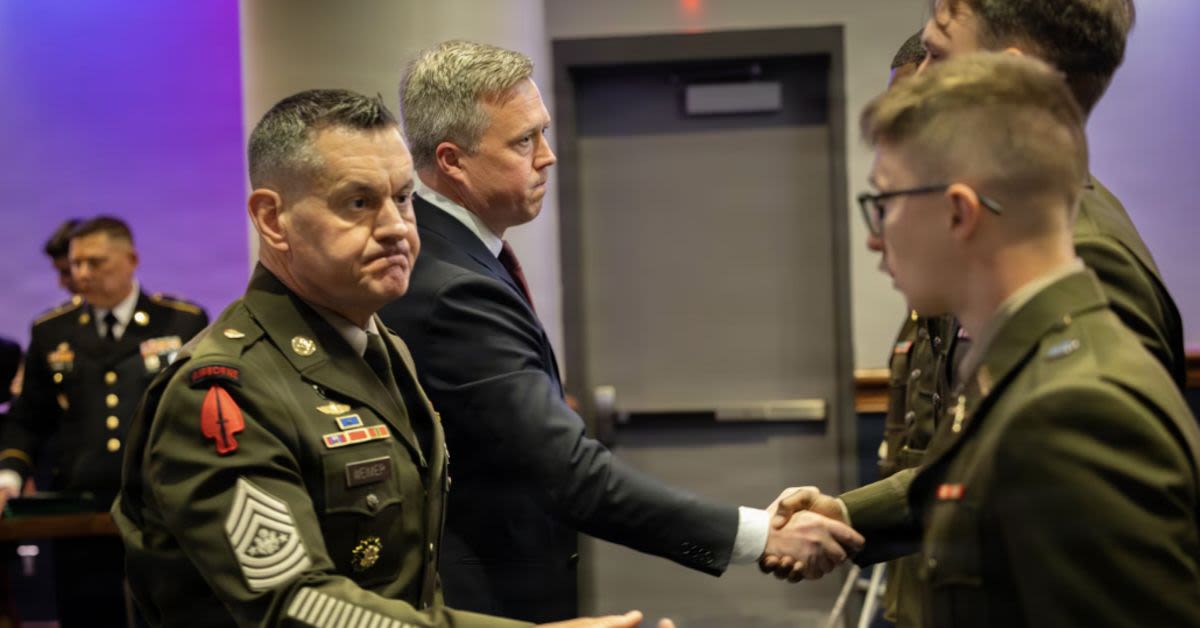
Lt. Col. Brandon Shahs final act was to hurl himself at a terrorist to shield his cadets, and those cadets honored his sacrifice by refusing to freeze when evil walked into their classroom and opened fire. On the campus of Old Dominion University last week, Shah was honored with a 21-gun salute, a solemn military tribute to a man who embodied duty, courage, and selfless servicequalities that stand in stark contrast to the reckless policies that allowed a known jihadist to sit in a college classroom until the day he chose to attack.
Login