
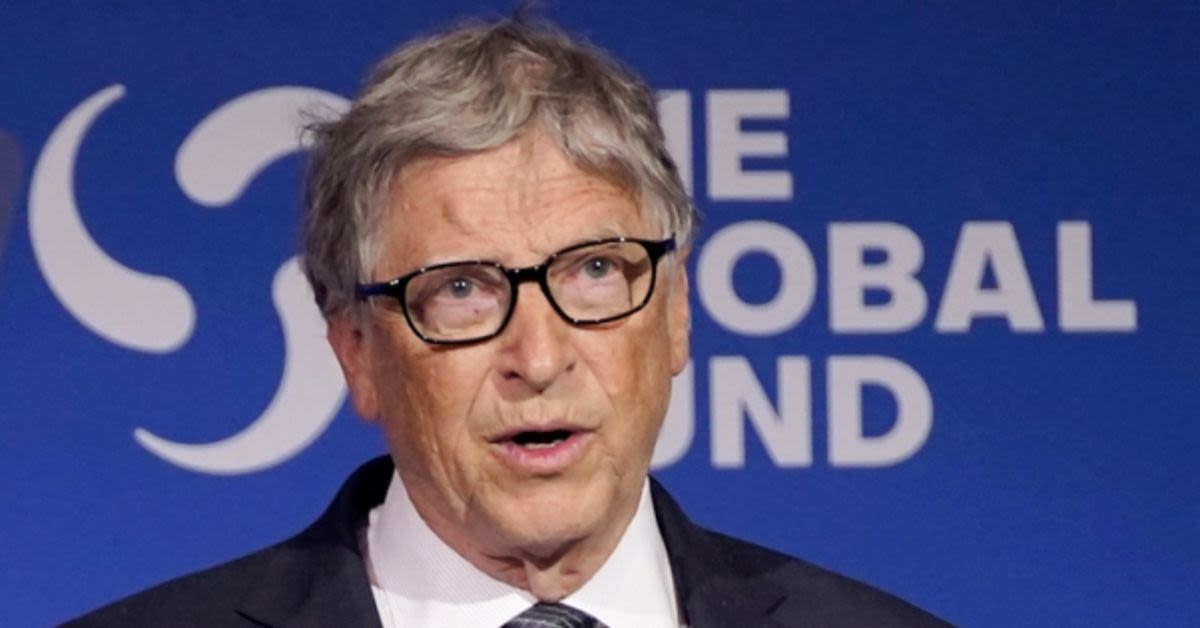
Microsoft co-founder Bill Gates is expected to face pointed questioning on Capitol Hill this summer as House investigators intensify their probe into the late convicted sex offender Jeffrey Epstein and his powerful network of associates.
Gates is scheduled to appear before the House Oversight and Government Reform Committee on June 10 for a formal, transcribed interview as part of the panels ongoing inquiry into Epsteins activities and connections. According to Newsmax, sources familiar with the matter say the session will focus on Gates past interactions with Epstein, ties he has already conceded were a huge mistake.
The billionaire philanthropist has long been dogged by questions about why he maintained any relationship at all with a man whose criminal record and reputation were widely known in elite circles. A spokesperson for Gates, attempting to get ahead of the political and public-relations fallout, said he welcomes the opportunity to appear before the committee and intends to cooperate fully with lawmakers.
While he never witnessed or participated in any of Epstein's illegal conduct, he is looking forward to answering all the committee's questions to support their important work, the spokesperson added, underscoring Gates insistence that his involvement with Epstein did not extend to criminal behavior. That assertion, however, is unlikely to shield him from tough scrutiny by Republicans determined to expose how Epstein cultivated influence among global elites, including prominent figures in technology, finance, and philanthropy.
Gates name reemerged in the Epstein saga earlier this year when the Justice Department released a tranche of documents tied to the case. Among the materials were two emails Epstein sent in July 2013, years after his first conviction for sex crimes, raising fresh questions about the nature of his communications with the Microsoft co-founder.
One of those messages appeared to be directed to Gates and contained a sensational allegation: that the tech magnate had asked Epstein to delete emails concerning a sexually transmitted disease and to obtain antibiotics he could surreptitiously give to his then-wife, Melinda. Another email, apparently a draft, had Epstein claiming he helped Gates secure drugs to deal with consequences of sex with Russian girls, language that, if accurate, paints a deeply troubling picture of the relationship.
It remains unclear whether either of those emails was ever sent to anyone other than Epstein himself, or whether they reflected actual events or Epsteins attempts to leverage his connections. Nonetheless, their inclusion in official records has given House investigators new lines of inquiry and heightened public concern over how far Epsteins reach extended into the upper echelons of American and global power.
House Oversight Committee Chair James Comer, R-Ky., formally requested Gates testimony in March, signaling that Republicans view the tech billionaire as a key witness in unraveling Epsteins influence network. Comer wrote that the panel believes you have information that will assist its investigation, a pointed reminder that Congress is not merely interested in salacious details but in understanding how a convicted predator managed to maintain access to some of the worlds most influential figures.
The committee has also summoned a range of other individuals with varying degrees of connection to Epstein, reflecting a broad effort to map his operations and contacts. Those called to appear include Commerce Secretary Howard Lutnick, Gateway co-founder Ted Waitt, Epsteins former aide Lesley Groff, and Tova Noel, one of the jail guards on duty when Epstein died in a New York City cell under circumstances that continue to fuel public skepticism.
For many Americans, especially conservatives wary of entrenched elites and opaque global networks, the Epstein scandal has come to symbolize a deeper rot within the ruling class. The fact that a man convicted of exploiting underage girls could still mingle with billionaires, politicians, and cultural leaders underscores concerns that there is one standard of accountability for ordinary citizens and another for the powerful.
Gates appearance before the Oversight Committee will therefore be more than a routine Washington hearing; it will be a test of whether Congress is willing to confront uncomfortable truths about how influence, money, and moral compromise intersect at the highest levels. Lawmakers, particularly on the right, are likely to press not only for details of Gates personal dealings with Epstein but also for answers about why so many institutions and leaders looked the other way for so long.
As the June 10 interview approaches, questions remain about what additional documents or testimony may surface and whether Gates will face further political or reputational consequences. What is clear is that the House investigation, bolstered by newly released Justice Department records and a growing witness list, is poised to keep the Epstein scandaland the conduct of those who associated with himsquarely in the public eye.
Login