
Californias experiment with a dramatically higher minimum wage for fast-food workers is already delivering the kind of economic fallout conservatives warned about from the start.
According to RedState, Assembly Bill 1228, which took effect in April 2024, forced a $20-per-hour minimum wage on fast-food employees at chains with more than 60 locations statewide and simultaneously created a powerful new Fast Food Council. This unelected body was granted authority to ratchet wages even higher every year until 2029, when its mandate expires, effectively locking in a years-long regime of government-driven cost escalation in one of the states most price-sensitive industries.
To assess the impact, UC Santa Cruz economics lecturer Stephen Owen and his team examined what has happened since the law was signed and began to roll out. Based on what weve found, I think this legislation is a classic case of no good deed goes unpunished, Owen said.
There are unintended consequences and knock-on effects, and overall, I think the results have definitely not been as positive as policymakers had been expecting. Coming from a campus that is hardly a conservative stronghold, the findings underscore just how severe the fallout has been for workers, businesses, and consumers alike.
The study describes what any basic understanding of supply and demand would have anticipated: when government arbitrarily inflates the price of labor, employers respond by cutting back on that labor. Its caused a loss of jobs, as owners have moved to automate more tasks, requiring a smaller work force, and less hours.
Its raised prices on menus for consumers, while providing less customer service. In a sector built on thin margins and high volume, these changes are not minor adjustments but structural shifts that hit low-income families and entry-level workers hardest.
Despite the data, Governor Gavin Newsoms team has chosen to attack the messenger rather than grapple with the substance of the findings. Newsoms team refutes the study, claiming, its not peer reviewed, and its claims are flat-out wrong.
They continue that higher wages boost the economy, and bring people out of poverty, ignoring the claims stating otherwise. This reflexive defense of central planning over market reality reflects a broader progressive pattern: clinging to ideological talking points even as real-world evidence piles up against them.
Owens analysis paints a stark picture of what AB 1228 has unleashed across Californias fast-food landscape. The results indicate a plethora of negative outcomes such as higher menu prices for consumers, reductions in employee working hours, widespread elimination of overtime and loss of benefits for employees, Owen and his team noted.
Further decreases in employee opportunities are being driven by automation and the adoption of labor replacement technologies is accelerating. In other words, the very workers this law was supposed to help are seeing their hours cut, their benefits stripped, and their jobs replaced by machines.
The economic logic is straightforward: when politicians artificially boost wages beyond what the market can sustain, businesses must either raise prices, reduce staff, or both. The higher labor costs led to sector specific minimum wage with investments in new technology and automation.
Computers dont call in sick, and companies dont pay them by the hour. As the cost of labor increases, automation makes more financial sense.
While it is difficult to assign a precise number to jobs lost solely because of AB 1228, the available estimates are sobering. 36,565 fast food jobs have been lost in California since AB 1228 was signed into law in September 2023.
The $20 per hour minimum wage went into effect on April 1, 2024. Between September 2023 and April 2024, over 10,000 jobs were cut ahead of implementation.
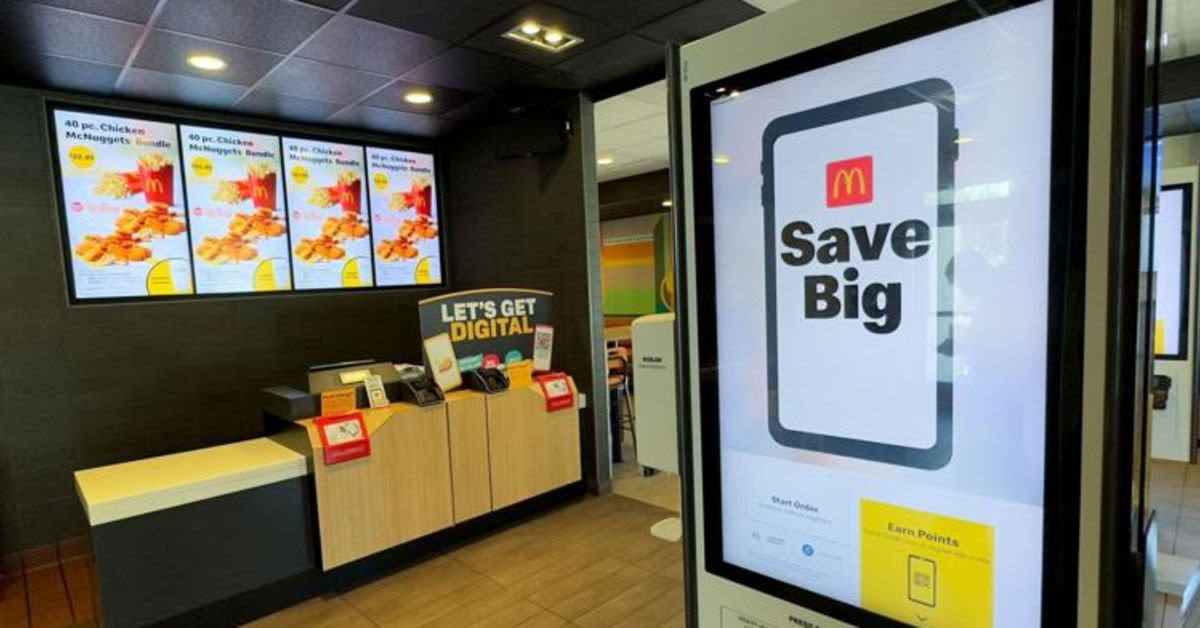
Restaurants have rapidly moved to automation, digital kiosks, and reduced hours to offset labor costs. Fast food prices in California have jumped 14.5%, far above the national average of 8.2%.
For ordinary Californians, that means fewer opportunities for young and low-skill workers and higher prices for basic, once-affordable meals. I used to enjoy a taco or a burger now and then nowadays, fuhgeddaboudit.
All of this was entirely predictable to anyone not blinded by progressive ideology, yet Newsom and his allies pressed ahead anyway. Their progressive vision has been the antithesis of progress and has severely wounded the state in so, so many ways.
The trajectory is clear: as government keeps forcing up wages by decree, businesses will keep shedding jobs, cutting hours, and turning to machines. Over time, theyd probably raise the minimum wage to $50 an hour but by then their may be no more franchises or customers left.
Login