
President Donald Trump has sharpened his argument against birthright citizenship ahead of a pivotal Supreme Court hearing, insisting the post-Civil War doctrine was intended for the descendants of slaves rather than for the children of foreign nationals exploiting Americas generosity.
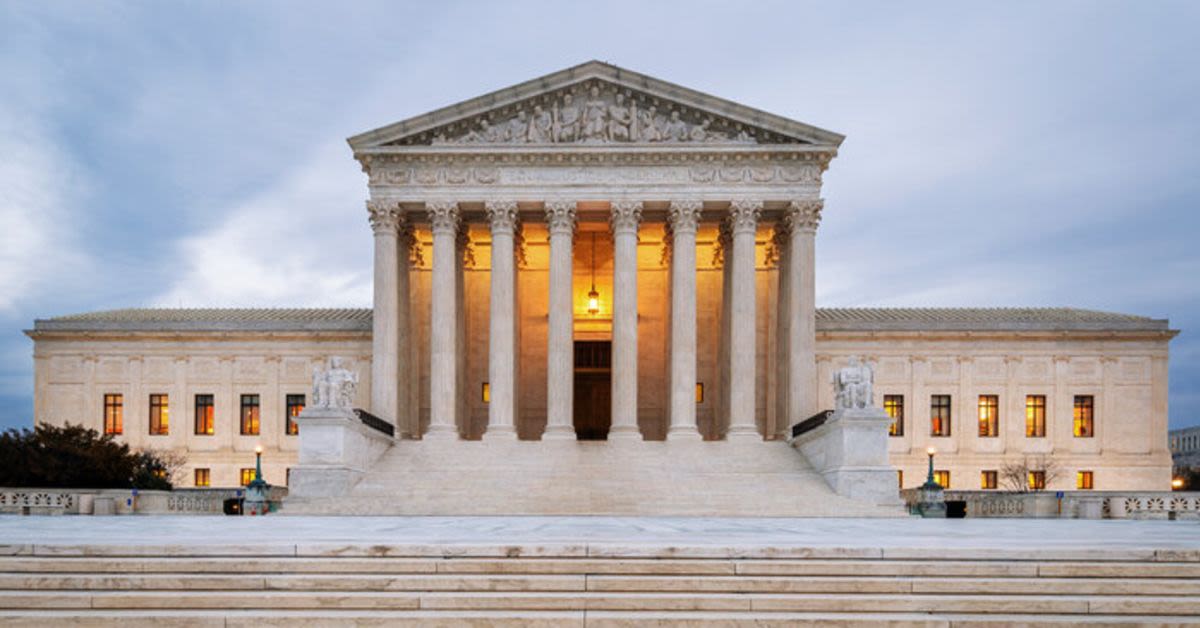
The nations highest court will hear arguments Wednesday in Trump v. Barbara, a direct challenge to President Trumps executive order ending automatic citizenship for children born to illegal immigrants or to those in the United States on a temporary basis, as reported by The Post Millennial. The administration has asked the justices to determine whether the order, signed on President Trumps first day back in office, is consistent with the Citizenship Clause of the 14th Amendment and with 8 U.S.C. 1401(a).
In a forceful statement, President Trump framed the debate as a betrayal of the amendments original purpose. "Birthright Citizenship is not about rich people from China, and the rest of the World, who want their children, and hundreds of thousands more, FOR PAY, to ridiculously become citizens of the United States of America. It is about the BABIES OF SLAVES!" he declared, arguing that the United States stands alone in entertaining such a broad interpretation.
He urged Americans to consider the historical context of the Reconstruction-era provision. "We are the only Country in the World that dignifies this subject with even discussion. Look at the dates of this long ago legislation - THE EXACT END OF THE CIVIL WAR!" Trump said, accusing foreign interests of profiting from Americas lax approach to citizenship.
"The World is getting rich selling citizenships to our Country, while at the same time laughing at how STUPID our U.S. Court System has become (TARIFFS!). 'Dumb Judges and Justices will not a great Country make!" he added, blasting what he views as judicial overreach and a legal culture indifferent to national sovereignty. The petition filed with the Court echoes that originalist view, asserting that the Citizenship Clause "was adopted to grant citizenship to newly freed slaves and their childrennot to the children of temporary visitors or illegal aliens."
The filing further contends that "This Courts earliest cases interpreting the Fourteenth Amendment explicitly rejected the notion that anyone born in United States territory, no matter the circumstances, is automatically a citizen so long as he is subject to US law." That argument reflects a broader conservative push to restore constitutional limits and curb incentives for illegal immigration and so?called birth tourism. Supporters of the order say that without such limits, Congress and the courts effectively outsource American citizenship to foreign nationals who have no lasting allegiance to the country.
A related dispute over birthright citizenship reached the Supreme Court in 2025, when the Trump administration sought to stop lower court judges from issuing nationwide injunctions that froze the policy across the country. The justices sided with the administration then, a procedural victory that cleared the way for the current, more sweeping challenge to the prevailing interpretation of the 14th Amendment.
If the Supreme Court now upholds President Trumps order on the merits, the new rules would apply to children born 30 days after the orders issuance, drawing a clear line between those covered by the old regime and those subject to the new standard. For conservatives who argue that citizenship should reflect loyalty, lawful presence, and respect for American sovereignty, the case represents a rare opportunity to align modern immigration practice with the original understanding of the Constitution.
Login