
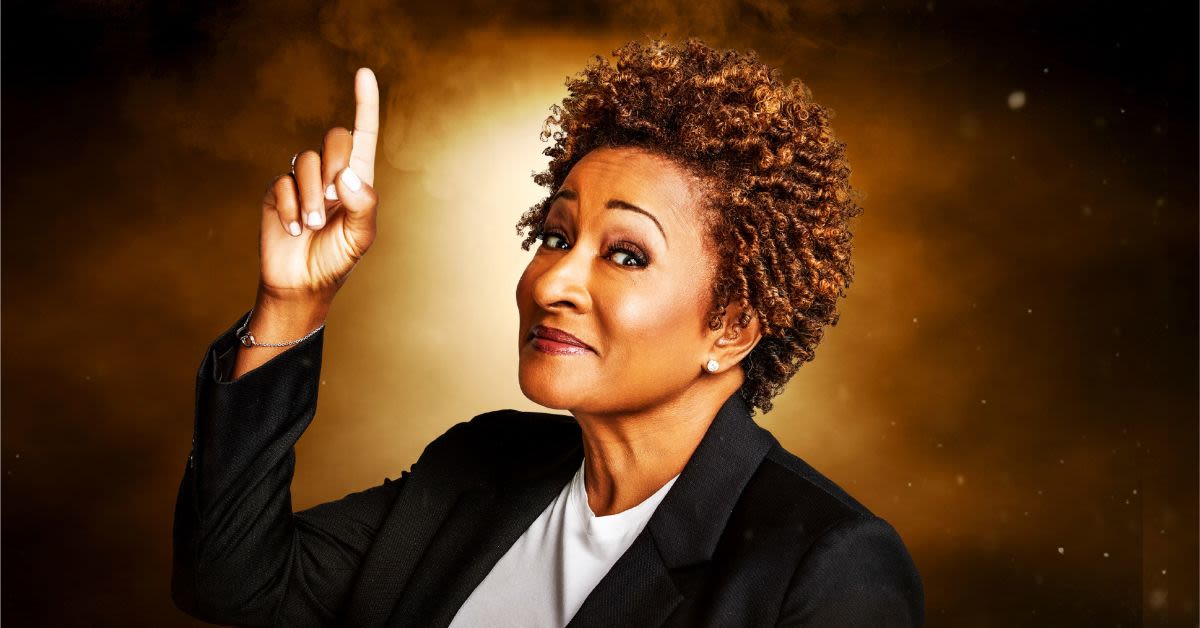
Comedian Wanda Sykes is warning that fear and conformity are suffocating stand-up comedy, even as she insists that comics have a duty to say the uncomfortable things anyway.
In a wide-ranging conversation on "The Breakfast Club" radio show, Sykes reflected on her long career and the changing climate for comedians, according to Fox News. Sykes first broke through as a writer on "The Chris Rock Show," winning an Emmy in 1999, before building a successful stand-up career and landing recurring roles on shows such as "Curb Your Enthusiasm."
She later hosted the White House Correspondents Dinner in 2009 and was named one of the "25 Funniest People in America" by Entertainment Weekly, cementing her status as a veteran voice in American comedy.
Host Charlamagne tha God opened the discussion by praising the blunt honesty that defined Sykes early work with Chris Rock.
"The thing I used to love about The Chris Rock Show it was just full of uncomfortable truths," he recalled, adding, "Even that whole era was full of uncomfortable truths, right? Do you think comedy is still allowed to be that honest? Or are we in an era now where everybody wants jokes, but they don't want the truth that comes [with it]?"
Sykes responded that the problem is less about permission and more about courage and incentives in a culture obsessed with mass approval. "No. You know what? I think you're allowed to do it, but it's just who wants to do it? You know what I'm saying?" she replied, noting that big venues and broad audiences tend to push comics toward safer material.
She pointed out that the drive to "fill an arena" can push performers away from authenticity and toward pandering. "If Im trying to fill an arena, you know what Im saying, you can't be that common. You got to be you got to appeal to the masses. And sometimes, right now, what the masses want to hear, it's ugly, you know."
Fellow comedian Jess Hilarious jumped in to say that being herself on stage often provokes outrage rather than laughter. "Im glad you said that. Im [going to] do it," she said. "But when I do me, when I do funny, people be getting mad."
Sykes urged her not to surrender to the mob or tailor her craft to the most easily offended voices. "Who gives a f---? You cant do it for them. You got to do it for you. You got to say what you want. And hey, if what I want to say and what makes me feel, you know, good about my gift that I have, if I'm only going to get maybe 600 people, then those are the 600 people that that, you know, you're supposed to be speaking to."
Co-host DJ Envy pressed the panel on whether audiences have simply become too quick to take offense and organize boycotts.
"But do people get offended too fast?" he asked, contrasting todays climate with an earlier era when, as he put it, "back then jokes just flew" and "You made fun of everybody," without immediate calls to "boycott your next show."
Sykes agreed that a growing number of people now see themselves as enforcers of moral standards rather than as audience members willing to hear a different perspective. "A lot of people like to be the critic. They want to be the police," Sykes said, arguing that many listeners refuse to consider the life experience or intent behind a joke.
She stressed that context and perspective matter, especially in a diverse society where people do not share the same background or worldview. "It's like if you say something, and it might offend you, but you got to look at where that person is coming from. You know? Maybe their life, their perspective is different from what you know Yeah, you're offended, but you're not standing in my shoes. You don't see it from my perspective! - So, I think that's what we've gotten away from."
Another co-host raised the familiar debate over "punching up" versus "punching down," the progressive framework that judges jokes based on the perceived social status of the target.
That standard has often been used to police which groups can be mocked and which are off-limits, a trend that has narrowed the space for equal-opportunity satire.
Sykes said she personally tries to direct her jokes upward at those with more power, while acknowledging her own identity as a Black, gay woman. "I always try to punch up because I feel like - but thats me," she said, before adding a caveat that cuts against the rigid rules favored by the left.
For Sykes, the ultimate test remains whether the joke is genuinely funny, not whether it satisfies ideological hierarchies. Nonetheless, she said, "If you punch down, if its funny, Im going to laugh."
She drew a distinction between jokes that come from familiarity and affection and those rooted in real hostility, pointing to a well-known Chris Rock bit about certain men in the Black community as an example of the former. `In an era when progressive activists often demand ideological purity from entertainers, Sykes defense of intent, perspective and the right to offend underscores a broader concern: that comedy, like much of American culture, is being squeezed by a climate of fear, conformity and perpetual outrage.
Login