
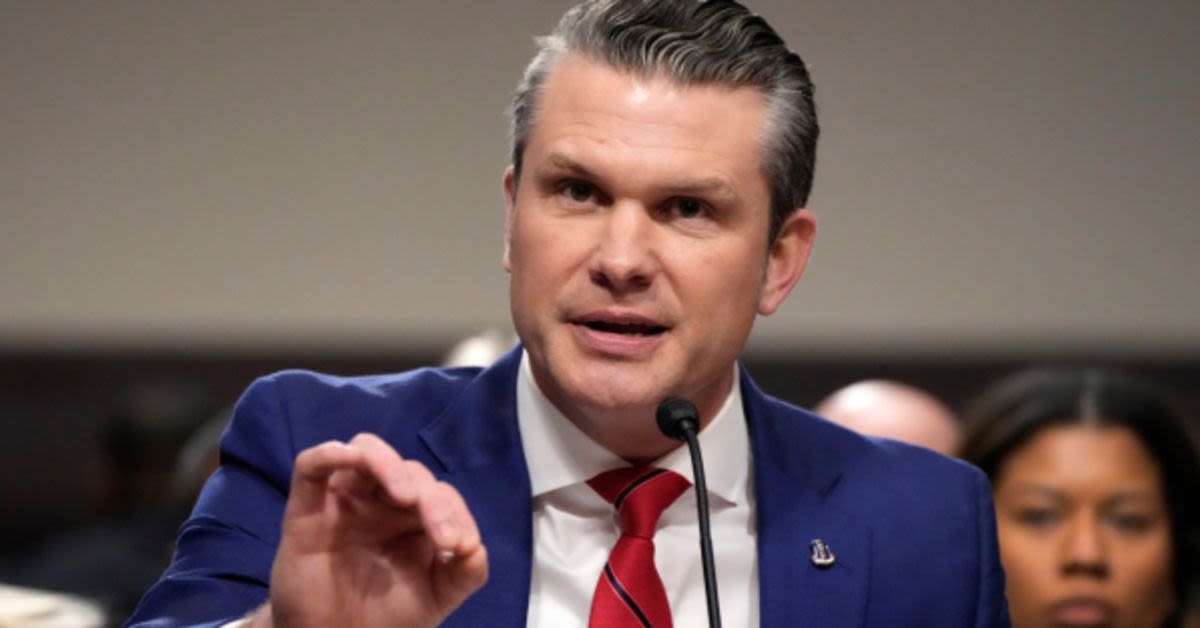
Secretary of War Pete Hegseth is moving to re-center the U.S. militarys spiritual life around a leaner, more focused Chaplain Corps that he says will once again serve as the moral anchors of our fighting force.
According to Western Journal, Hegseths War Department has sharply reduced the number of official faith codes used across the services, cutting the list down to 31 from the sprawling catalog that had accumulated over the past decade. In 2017, the Pentagon recognized 221 religious groups a list that, as Stars and Stripes noted at the time, extended to Wiccans and atheists, reflecting the prior eras obsession with identity fragmentation over mission clarity.
The previous system had ballooned to well over 200 faith codes, Hegseth said Tuesday, arguing that the bureaucracy had outgrown any practical purpose. It was impractical and unusable, and many codes were never used at all, he added, noting that most of the 82 percent of service members who identify as religious were concentrated in just six of those codes.
The streamlined list, he said, finally returns the system to what it was meant to be a tool to help chaplains serve troops, not a vehicle for ideological box-checking. The reduction brings the codes in line with its original purpose, giving chaplains clear, usable information so they can minister to service members in a way that aligns with that service members faith background and religious practice, Hegseth said.
In a symbolic but significant shift, chaplains will now display their religious insignia on their uniforms in place of visible rank, underscoring their spiritual role above their bureaucratic status. A chaplain is first and foremost a chaplain, and an officer second. This change is a visual representation of that fact, Hegseth said.
While they will retain rank as an officer to those they serve, their rank will not be visible, he added, signaling that spiritual authority, not career advancement, should define the chaplains presence in the ranks. Hegseth emphasized that these moves are only the opening phase of a broader effort to restore a robust, unapologetically faith-centered Chaplain Corps under President Trumps second administration.
These two reforms are big progress, but were not even close to being done. These are the first steps toward restoring the esteemed position of chaplain as moral anchors of our fighting force, Hegseth said. Theirs is a high and sacred calling, but they can only be successful if they are given the freedom to boldly guide and care for their flock.
As I reported to you in December, in previous administrations, our Chaplain Corps was infected by political correctness and secular humanism, Hegseth said in a video posted to X, directly challenging the progressive drift that treated faith as a problem to be managed rather than a strength to be cultivated. The core functions of the Chaplain Corps were changed and watered down until many viewed them as nothing more than therapists. Faith and virtue were traded for self-help and self-care. We started correcting that drift then, and today, were going further, Hegseth said.
The crucible of combat tests more than the body. It tests conviction, character, and spirit. The militarys Chaplain Corps serves as the spiritual and moral backbone of our nations armed forces, he continued, framing spiritual readiness as every bit as vital as physical training or weapons proficiency. Chaplains help forge spiritual readiness across the force. And that matters because in combat, in crisis, and in loss, a war fighter needs more than a coping mechanism, he said.
They need truth, big T truth. They need conviction. They need a shepherd.
Login