
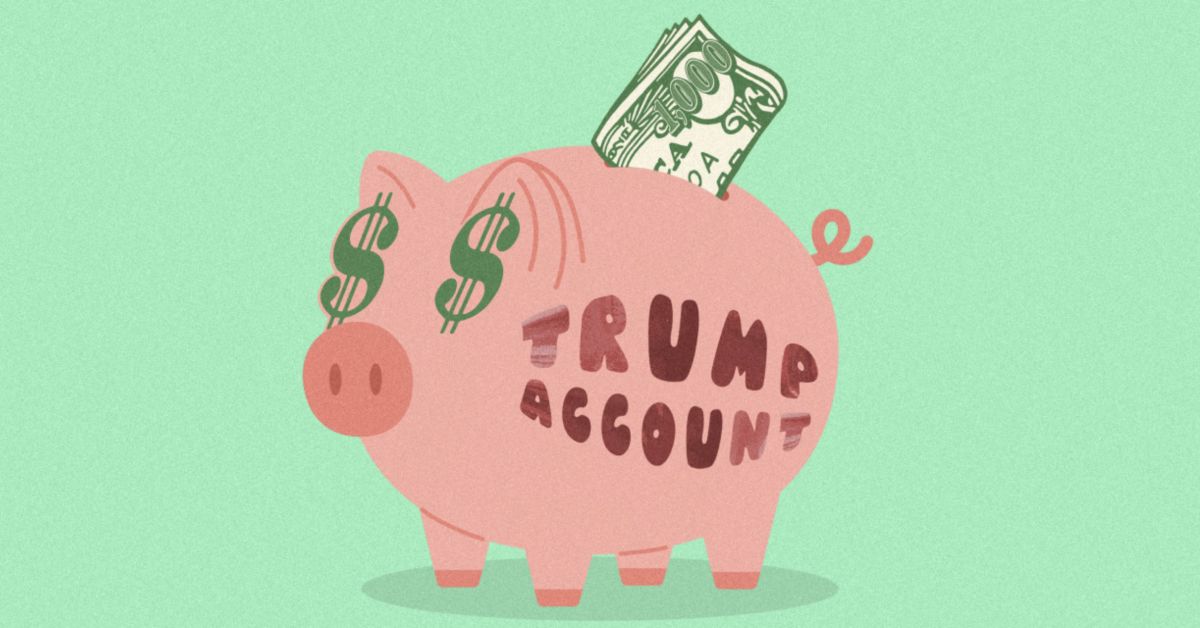
The parents of more than four million American children have already enrolled in Trump Accounts while filing their 2025 tax returns, signaling a powerful early endorsement of President Donald Trumps latest bid to reshape the nations economic landscape.
According to the Washington Examiner, IRS data show that more than 4 million children have been listed for these new accounts, including nearly 1 million newborns who qualify for a $1,000 federal seed investment. The early surge underscores strong grassroots support for one of Trumps signature economic initiatives, a program explicitly crafted to expand wealth-building opportunities for families and advance what administration officials describe as an ownership economy.
Created under Trumps One Big Beautiful Bill Act, the accounts function as tax-deferred investment vehicles that parents can open on behalf of their children. Newborns born between 2025 and 2028 receive a direct $1,000 contribution from the federal government, while older children may participate without the initial federal deposit but still benefit from the same long-term investment framework.
Treasury Secretary Scott Bessent has pointed to the rapid adoption as proof that the initiative is resonating with working- and middle-class households who have long been sidelined by policies favoring government redistribution over private capital formation. Earlier this year, he noted that millions of forms had already been filed following a nationwide rollout and a high-profile promotional blitz, including a Super Bowl advertisement that introduced Trump Accounts to a massive television audience.
Supporters argue that the program marks a fundamental shift in federal economic policy, away from dependency on government checks and toward personal ownership, savings, and investment. In public remarks promoting the initiative, Bessent hailed Trump Accounts as a singular moment in economic history with the potential to make every American a direct stakeholder in the countrys prosperity rather than a passive recipient of government largesse.
Bessent has emphasized the power of early investment and compounding returns, stressing that With Trump Accounts, every American child ... is eligible to receive a $1,000 contribution ... immediately invested in an index fund, a structure he says could turn modest seed money into meaningful assets over time. He has repeatedly highlighted that long-term compound growth could transform those initial investments into substantial wealth by adulthood, especially for families that continue to contribute steadily over the years.
The design of the program reflects a clear preference for private initiative and voluntary participation over bureaucratic mandates. Parents, employers, and philanthropists are all permitted to contribute, subject to annual caps intended to promote disciplined, long-term saving rather than short-term speculation or politically driven giveaways.
Beginning July 4, families and other contributors will be able to deposit up to $5,000 per year into each childs account, a limit that encourages consistent investment while keeping the program focused on broad-based opportunity rather than windfalls for the wealthy. The Independence Day start date is no accident, symbolizing the administrations view that financial independence and ownership are central to American freedom.
Private-sector engagement has been striking, further underscoring the programs market-oriented character. Major corporations have pledged to match contributions for employees children, while philanthropists have committed billions of dollars to expand access, moves that proponents say demonstrate the broad appeal of a policy that rewards work, savings, and responsibility rather than expanding the welfare state.
The surge in Trump Account enrollments coincides with a suite of broader tax relief measures embedded in the same legislative package, all aimed at easing the burden on workers and families rather than growing Washingtons reach. IRS data indicate that millions of Americans are receiving larger refunds this year, driven by provisions such as eliminating taxes on tips and overtime and expanding deductions for seniors and car buyers.
On average, refunds have climbed more than 9 percent compared with last year, with tens of millions of filers benefiting from what the administration frames as a decisive break from the high-tax, high-regulation approach favored by Democrats. White House officials contend that these results validate Trumps economic philosophy after what they describe as years of financial strain and stagnant opportunity under progressive policies that prioritized redistribution and regulation over growth and ownership.
President Trump delivered the largest middle-class tax cut in history, a White House spokeswoman said, underscoring the administrations view that the benefits are already visible in household budgets. She added that families are already reaping the benefits, pointing to both the fatter refunds and the long-term promise of Trump Accounts as evidence that conservative, pro-growth policies can tangibly improve ordinary Americans lives.
For conservatives, the Trump Accounts initiative represents more than a technocratic tweak to the tax code; it is a philosophical statement about who should control the nations wealth and how prosperity should be built. By channeling resources into private investment accounts for children, the program seeks to cultivate a culture of savings, personal responsibility, and market participation, rather than expanding the reach of federal entitlement programs that often trap families in cycles of dependency.
As enrollment continues to climb, administration officials say Trump Accounts could become a cornerstone of long-term economic growth, empowering the next generation to build wealth and participate more fully in the American Dream. Whether the program ultimately mints the next generation of millionaires, as some advocates suggest, or simply ensures that millions of young Americans enter adulthood with real assets rather than government IOUs, it reflects a clear conservative bet that ownership, not bureaucracy, is the surest path to shared prosperity.
Login