
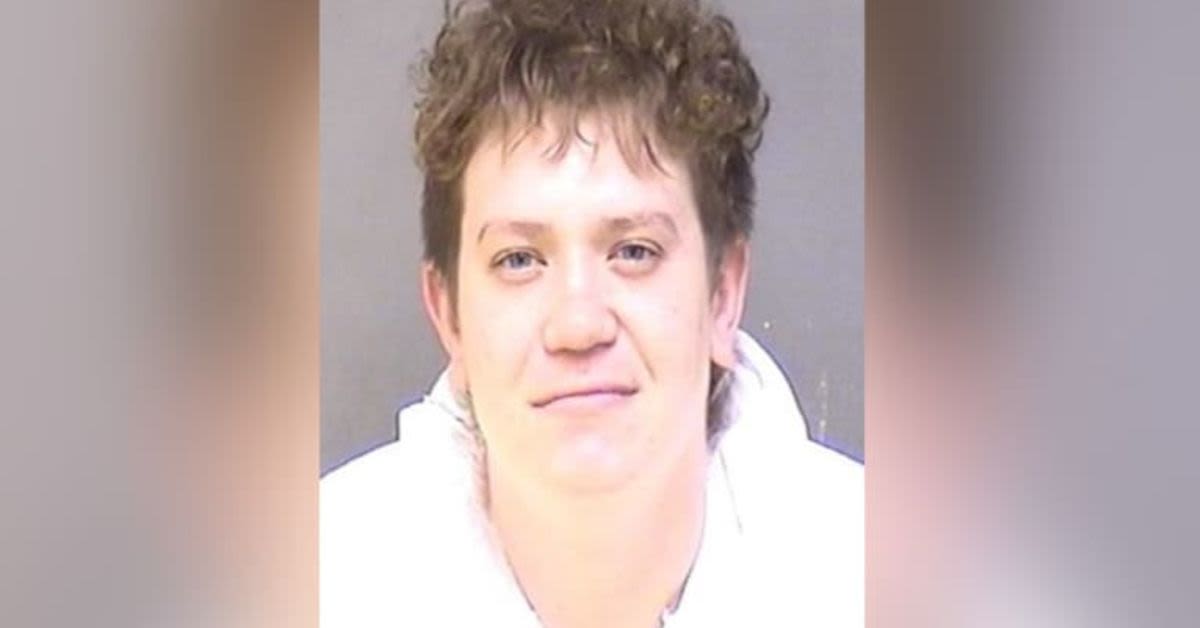
A 27-year-old quadruple amputee celebrated for his athletic achievements is now facing a murder charge in Maryland after authorities say he shot and killed a friend during an argument.
According to WND, deputies in Charles County arrested Dayton James Webber after a deadly confrontation in La Plata on Sunday night that left 27-year-old Bradrick Michael Wells fatally wounded. As reported by WND, Webber was allegedly in the drivers seat when he opened fire on Wells, who was seated in the front passenger seat, then drove away with the victims body still in the vehicle before fleeing across state lines to Virginia.
NBC Washington noted that a professional cornhole player whos also a quadruple amputee is facing murder charges after a deadly shooting in Charles County, Maryland, over the weekend. Authorities told the outlet that Dayton James Webber, 27, was behind the wheel of a car in La Plata when he allegedly shot and killed a friend during an argument Sunday night before dumping the victims body and fleeing to Virginia, authorities say.
The Charles County Sheriffs Office confirmed to News4 the suspect is professional cornhole player Dayton Webber. Webber, who since he was 10 months old, hes been a quadruple amputee with a passion for sports, had long been promoted by legacy media as an inspirational figure overcoming disability.
In fact, News4 profiled him when he was 11 years old, after hearing how his physical disability had not gotten in the way of his desire to wrestle, play video games, ride dirt bikes and play football. As an adult, Webber became a champion cornhole player and in 2023, he wrote an essay for NBCs TODAY, sharing what it took to go from an amateur to professional competitor, with video on X showing him competing.
Although Webber doesnt have fingers, he can still load and fire a handgun, and a 2024 video shows Webber using his stumps to load a handgun and fire it at a target. The case raises renewed questions about personal responsibility, media glorification of personalities, and the persistent reality that, regardless of physical condition, individuals remain accountable for their actions under the law.
Login