
Seattle, already plagued by vacant office towers, departing employers, and visible urban decline, is now facing a new tax proposal that critics warn could accelerate the citys downward spiral.
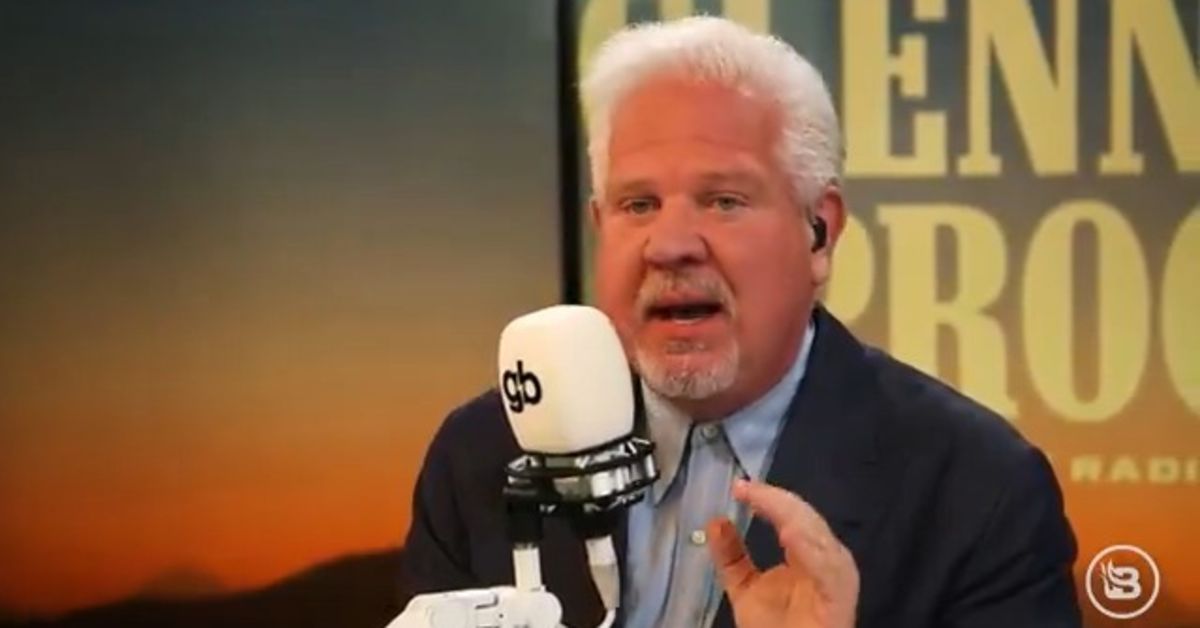
According to The Blaze, Blaze Media co-founder Glenn Beck used his national radio platform to sound the alarm over what he describes as a deliberate campaign of economic self-sabotage by Seattles political leadership. In Seattle, nearly one-third of the office space is empty 35% at the core. More than a quarter of all of the office space all across the city is vacant. Entire buildings are dark at noon. Elevators that carried thousands of engineers and lawyers and designers now move janitors and security guards through hollow floors where the lights never come on, Glenn explains on The Glenn Beck Program.
He argues that this is not the result of some unavoidable catastrophe, but of ideological governance that punishes success and rewards dysfunction.
This is New Orleans without the hurricane. Its not war damage. This is policy that is doing this. And the response from the city leadership shows something that is far more than incompetence. It is intentional destruction, he adds. That intentional destruction, in Becks view, is now taking the form of yet another tax aimed squarely at high earners and job creators in a city already struggling to retain them.
You make over a million dollars, ... 9.9% extra tax, Glenn says, describing the new levy as a direct assault on the very people capable of rebuilding Seattles economy. They dont have any understanding of how an economy works. Seattles incoming mayor, Katie Wilson, proposed what she calls a solution now to just the hollowing out of Seattle, he says, before explaining what he would do instead.
Heres what I would do. Fix the problems. Get the poop off the streets. Get the people pooping off the streets. Get the drugs off the streets. Clean the city up, and you wont have this problem, he explains. But thats not the solution. Instead of restoring order, enforcing the law, and making the city livable for families and businesses, Beck argues that Seattles leadership is doubling down on the same progressive policies that drove employers away in the first place.
Seattle is not known for technology. Its known now for open-air drug markets, sidewalk encampments, retail theft treated as a nuisance instead of a crime. A regulatory climate where starting, running, or expanding a business requires navigating a maze of taxes and mandates, he says. For conservatives who believe in limited government and the rule of law, Seattle has become a cautionary tale of what happens when ideology overrides basic civic responsibility.
You feel like a criminal if youre going to run a business. You feel, you know the city is against you, and the state is against you. Even now, Seattle businesses face one of the countrys most aggressive business and occupation taxes, he continues, pointing out that the regulations caused businesses to leave, and in turn the city decided to start taxing owners of vacant buildings on top of their already steep taxes. When companies noticed these insane regulations, they understandably chose to take their business elsewhere.
The employees all followed; the buildings emptied out, Glenn says. Now, residents who once trusted that prosperity and safety would be protected are trying to sell their homes and theyre getting taxed for it.
Instead of asking why companies are leaving, Glenn continues, city leaders ask a different question entirely. How do we punish the people creating jobs? How can we make their life even harder? As President Trumps second administration pushes an agenda of economic growth, deregulation, and law and order, Seattle stands as a stark reminder of the cost of rejecting those principles in favor of punitive taxation and permissive urban decay.
Login