
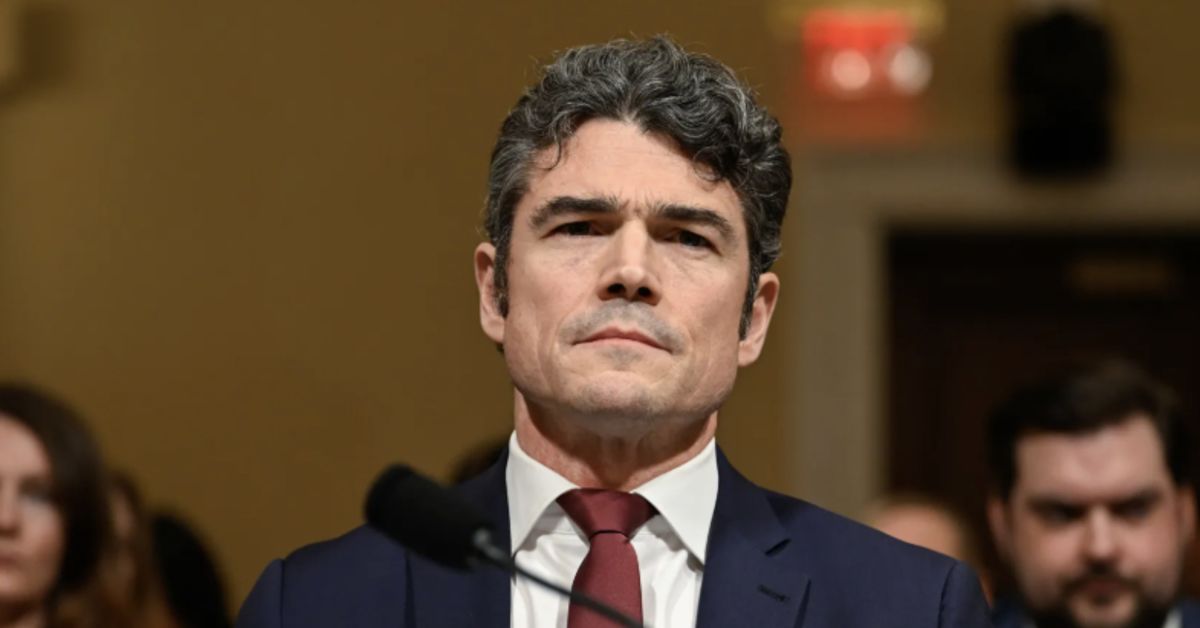
Joe Kent did not simply leave one of the nations most sensitive intelligence posts; he walked away while accusing Americas own allies and insiders of steering the country into an unnecessary war with Iran, and now it appears he has been the subject of a federal investigation for months.
According to RedState, the former director of the National Counterterrorism Center (NCTC) did not opt for a quiet exit from government service but instead ignited a political firestorm by publicly breaking with the administration and charging that powerful interests had pushed the United States into a conflict he insists should never have occurred. His departure has now collided with revelations that federal authorities have been scrutinizing his conduct, raising questions about whether his dissent was an act of conscience, a political maneuver, or something far more complicated.
In his resignation, Kent stressed that his decision was not a mere disagreement over tactics or strategy but a profound moral and strategic rupture over the very premise of the war. He framed his departure as a stand against what he views as a reckless intervention that betrayed the America First foreign policy many voters believed they were getting.
I cannot in good conscience support the ongoing war in Iran. Iran posed no imminent threat to our nation, and it is clear that we started this war due to pressure from Israel and its powerful American lobby. Those words, coming from a sitting intelligence chief, cut directly against the bipartisan foreign policy establishment that has long favored aggressive intervention in the Middle East and close alignment with unelected international elites.
Such a statement alone would have been enough to rattle Washington, where intelligence officials rarely challenge the system that elevated them. A senior NCTC director accusing both foreign allies and domestic political actors of driving U.S. military action is not routine dissent; it is a direct assault on the credibility of the intelligence and policy machinery he once served.
Kent, however, went further, using his formal resignation letter to escalate his charge and suggest that the president himself had been misled by those around him. In doing so, he implicitly accused entrenched interests of hijacking the administrations stated commitment to restraint and national sovereignty.
High-ranking Israeli officials and influential members of the American media deployed a misinformation campaign that wholly undermined your America First platform to deceive you into believing that Iran posed an imminent threat This was a lie. That allegation now intersects with something even more serious, as federal investigators reportedly examine whether Kent himself mishandled classified information in the course of his work and his dissent.
According to Semafor, which first reported the investigation, federal authorities are examining Kent over potential unauthorized disclosures tied to sensitive intelligence. The probe, sources say, began months before Kents resignation, suggesting that the governments interest in his conduct predates his public break with the administration and cannot be easily dismissed as immediate political retaliation.
The investigation has been underway for some time, according to individuals familiar with the matter, and appears focused on the handling of classified material rather than on his public criticism alone. The investigation into former National Counterterrorism Center Director Joe Kent is focused on allegations that he improperly shared classified information.
Four people with direct knowledge of the probe have described it as ongoing and centered on concerns about how sensitive intelligence was shared or disclosed. The fact that the inquiry was already active before Kent stepped down undercuts any narrative that the scrutiny emerged solely because he challenged the prevailing line on Iran.
Inside the administration, the response to Kents resignation has been unsentimental, with officials signaling that his departure may actually simplify internal debates over Iran policy. President Donald Trump has shown little public sympathy for Kents exit, reportedly framing it as a net positive even as the political and legal fallout began to mount.
At the same time, the administration has aggressively pushed back on Kents version of events, rejecting his claims about the origins of the Iran conflict and accusing him of parroting familiar talking points long favored by the foreign policy left and isolationist critics. Officials insist that Kents assertions distort both the intelligence picture and the policy deliberations that led to the use of force, dismissing his accusations as inaccurate, politically charged, and potentially harmful to national security.
All of this is unfolding under the cloud of a federal investigation, elevating the dispute far beyond the usual Washington turf battle between a departing official and his former colleagues. Kent is no longer merely a disgruntled ex-bureaucrat; he is a former intelligence chief whose actions are being examined for possible legal violations with serious national security implications.
A senior counterterrorism official has resigned, accused the system of misleading the country into war, and now finds himself reportedly under FBI investigation for alleged leaks of classified information that predate his dramatic exit. For Americans wary of endless wars, politicized intelligence, and the power of foreign lobbies, the Kent saga underscores how high the stakes have become when insiders challenge the permanent national security bureaucracy.
This is a developing story, and key questions remain about what exactly Kent disclosed, who authorized what, and whether the investigation will confirm his claims or discredit them. This is a developing story. Stay tuned to RedState for updates.
Login