
Minnesotas latest welfare scandal has become a case study in how expansive government programs, launched with lofty intentions and minimal oversight, can quickly devolve into a playground for fraudsters.
According to RedState, the Minnesota House of Representatives has now taken the extraordinary step of voting unanimously to strike the Minnesota Housing Stabilization Services (MHSS) program from state law altogether. The Senate is expected to follow suit, as senators had already been drafting their own legislation to accomplish the same goal, underscoring just how toxic the program had become in the eyes of lawmakers from both parties.
The MHSS program, created less than six years ago, was designed to help seniors and people with disabilities remain in their homes or secure new housing. Yet as the details have emerged, it has become clear that what began as a modest initiative quickly metastasized into a sprawling conduit for abuse, flourishing in what critics describe as the permissive, big-government environment fostered under Governor Tim Walz.
The first serious public scrutiny arrived last spring, when local NBC affiliate KARE 11 began investigating irregularities and apparent waste within MHSS. Once that spotlight was turned on, the money spigot slowed to a trickle, and by Halloween the program had stopped issuing payments altogether, a tacit admission that the system had become unmanageable and riddled with corruption.
What makes the MHSS debacle particularly alarming is the scale of the financial explosion. Initial projections placed the programs cost in the $2.5 million to $3 million range, a relatively modest outlay in a state budget. Within just four years, however, spending had surged past $100 million, raising the obvious question of how such a dramatic escalation could occur without triggering alarms among state officials supposedly tasked with safeguarding taxpayer dollars.
The answer, critics argue, lies in a culture of lax oversight and ideological commitment to ever-expanding social services, where the priority is getting money out the door rather than ensuring it is spent honestly and effectively. In one striking example, two men from Philadelphia were arrested after authorities discovered they had traveled to Minnesota specifically to set up sham businesses designed to exploit the MHSS program, a sign that word had spread nationally about the ease of gaming the system.
This was not a federal initiative that state leaders could blame on Washington bureaucrats; MHSS was conceived, created, and administered in Minnesota. That reality has made it far more difficult for Governor Walz and his allies to deflect responsibility, particularly as the scandal has unfolded alongside other high-profile fraud cases in the states welfare and nonprofit sectors.
The political fallout intensified when Walz was summoned to testify before Congress about the wave of fraud cases emerging from his state, including MHSS. Lawmakers pressed him on how such extensive abuse could have taken place on his watch, and by most accounts, the governor struggled to provide convincing answers, appearing defensive and unsteady under questioning.
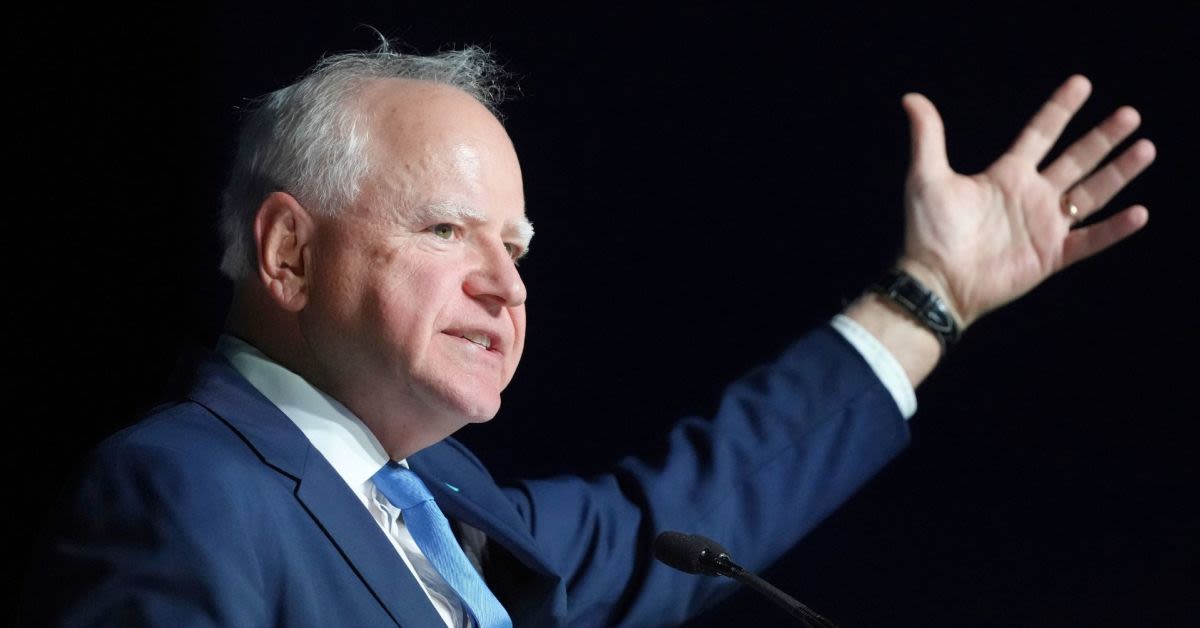
In the wake of that bruising appearance, Walz attempted to reposition himself as a reformer by unveiling what he described as a sweeping anti-fraud initiative aimed at cracking down on the billions of taxpayer dollars being siphoned off through various state programs. He announced the package at a press conference just weeks ago, framing it as a necessary corrective to the abuses that had come to light.
Any dollar of state money, especially those being used for programs to enhance peoples lives, if that goes to the wrong place, is misspent, or in the case of this, criminals are stealing it, we need to do everything possible to prosecute that, Walz declared. The rhetoric was tough, but for many observers, it rang hollow coming from a governor whose administration had presided over the very failures he now claimed to be addressing.
The timing of Walzs anti-fraud push only fueled skepticism. He rolled out the initiative the day after the federal government moved to cut off certain Medicaid funds to Minnesota, a move that highlighted the seriousness of the states mismanagement and suggested that Washington had lost patience with assurances that the problems were under control.
The House bill eliminating MHSS was part of that broader Walz-backed package, but its passage served mainly to formalize what had already occurred in practice. By erasing the program from the statute books, lawmakers ensured it could not be quietly revived in its previous form, and any future effort to provide similar housing assistance would have to start from scratch with a new legislative framework and, presumably, far stricter safeguards.
For conservatives, the MHSS collapse is emblematic of a deeper structural problem: when government grows too large, too fast, and too detached from accountability, it creates fertile ground for opportunists to plunder public funds. The Minnesota case shows how quickly a well-intentioned program can spiral into a nine-figure boondoggle when ideological enthusiasm for spending outpaces the basic disciplines of auditing, verification, and enforcement.
This is precisely the kind of systemic abuse that the new national Fraud Task Force, established by President Trump, is expected to confront. Senator JD Vance has been tapped to chair the effort, and he faces the daunting challenge of rooting out entrenched fraud schemes that have taken hold across multiple states and agencies.
Unlike Vice President Kamala Harris, whose appointment as border czar was followed by a conspicuous lack of meaningful action on illegal immigration, Vance confronts the opposite dilemma: even with aggressive enforcement and significant recoveries, the sheer magnitude of the problem may make visible progress difficult to measure. He may well achieve substantial successes in clawing back stolen funds and tightening controls, yet the public may struggle to see the impact against the backdrop of decades of unchecked abuse.
Minnesotas experience with MHSS offers a stark warning about what happens when expansive welfare programs are launched with more political zeal than prudence. It also underscores why conservatives continue to argue for limited government, rigorous oversight, and a presumption in favor of private solutions over sprawling bureaucracies that too often end up serving the interests of scammers rather than the vulnerable citizens they are supposed to help.
Login