
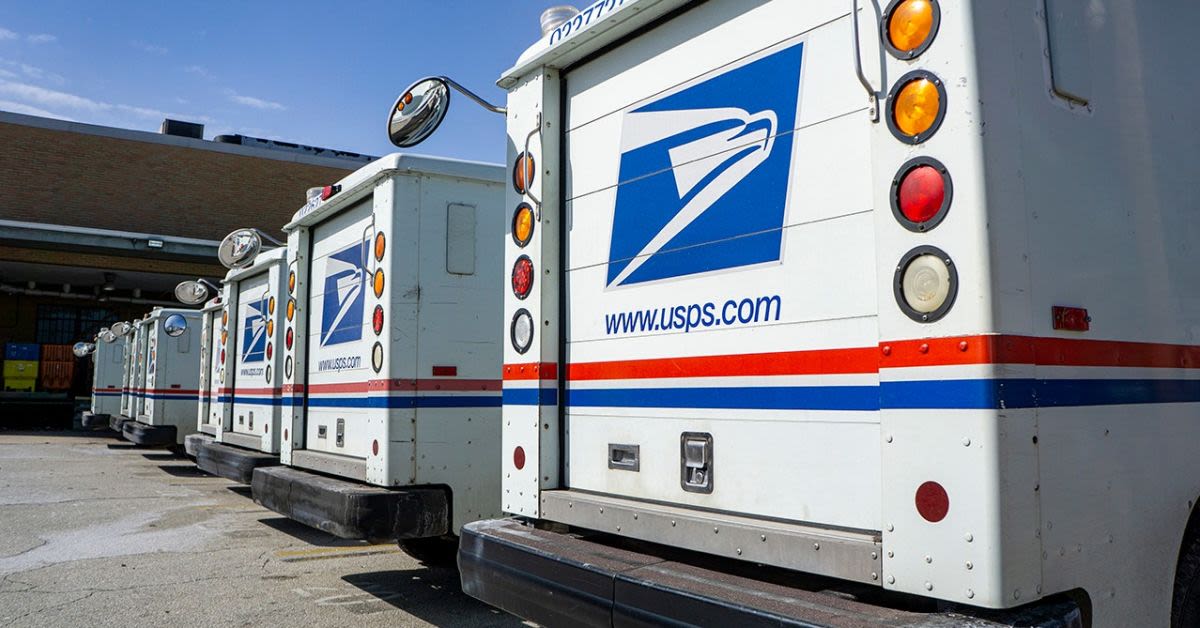
The United States Postal Service has quietly altered when it applies postmarks to mail, a technical change with potentially serious consequences for rural Americans, legal deadlines, and election integrity.
As reported by Gateway Pundit, this shift is part of the USPSs broader Delivering for America plan, which moves away from same-day postmarking for First-Class and similar mail and toward a system in which items may not receive a postmark until one or even two days after the Postal Service takes possession of them. The agency now advises that anyone who needs a same-day postmark must bring their mail to a retail counter at a USPS post office, a requirement that disproportionately burdens those who live far from major postal facilities and rely on local drop boxes or rural post offices.
The processing and distribution centers that physically apply postmarks are not changing, but the transportation schedules and methods that move mail to those centers are being overhauled. It appears this change will predominantly affect rural areas, which typically vote Republican, meaning that conservative-leaning communities will bear the brunt of delays that urban, Democrat-heavy strongholds are largely spared.
For decades, a postmarkthe dated imprint over a stamp that cancels its usehas served not only an internal USPS function but also as critical evidence that a deadline was met. For over 70 years, courts, agencies, and election officials have relied on postmarks to validate legal forms, IRS tax filings, mail-in ballots, and a host of other time-sensitive documents, making any delay in postmarking far more than a mere bureaucratic tweak.
Under the traditional system, postmarks are applied at high speed in USPS Processing & Distribution Centers (P&DCs), massive regional hubs equipped with dozens of mail-processing machines and loading docks for tractor-trailers. The Postal Service operates on a spoke-and-hub model in which local post offices feed mail to and from the nearest P&DC, with trucks leaving regional centers between 4:00 and 7:00 a.m. to drop off outbound mail that carriers then sort and deliver to homes and businesses.
Throughout the day, those same local post offices collect inbound mail from retail counters, curbside blue boxes, residences, apartment complexes, and businesses. In the evenings, generally between 5:00 and 9:00 p.m., trucks return to those post offices to pick up the accumulated inbound mail and bring it back to the P&DC that night for processing, a twice-daily rhythm that has long underpinned timely postmarking and delivery.
That cadence is now being dismantled under the USPSs Regional Transportation Optimization (RTO) initiative, which eliminates evening collections at many post offices. RTO began as a pilot program in October 2023, and effective December 24, 2025, mail is no longer being picked up nightly at some 12,000 post offices, leaving inbound mail to sit overnight and be collected only the following morning.
The Postal Service plans to extend RTO to roughly 24,000 post offices by the end of the summer, dramatically expanding the number of communities where mail will routinely wait an extra day before even reaching a processing center. According to the National Association of Postal Supervisors (NAPS), about 47 percent of the nations population and 71 percent of ZIP Codes will be affected by RTO, a sweeping change that also strips those locations of Express Mail, the USPSs overnight delivery service.
The political implications are obvious: Republicans must now mail ballots at least 2 days earlier than any previous election if they want to avoid missing postmark-based deadlines. The criteria for selecting which post offices fall under RTO are straightforward but deeply skewedany post office located 50 miles or more from a P&DC will no longer have its mail picked up at the end of the day, while big cities, which typically vote Democratic, remain largely untouched.
There is a regional P&DC in almost every left-leaning major city, as shown in an Excel list on Google Docs, insulating urban Democrat strongholds from the worst of these delays. Democrat bastions such as Philadelphia, Las Vegas, Los Angeles, Atlanta, Chicago, Milwaukee, Houston, Denver, and Minneapolis all host P&DCs within city limits, ensuring that their residents mail continues to move quickly into the processing stream.
Interactive maps and lists provide further insight into how geography translates into delay. For example, if you live in the northernmost part of Michigan, your mail could take two days by truck to reach the closest P&DC in Grand Rapids or Detroit, with trucks making multiple stops and operating under federal Department of Transportation regulations that further slow the journey.
This logistical squeeze is the product of a long-running consolidation drive within the Postal Service. About 15 years ago, there were more than 320 P&DC-type operations across the country, but USPS has pursued a plan to drastically reduce that number, with a goal of only 60 regional processing centers that is now nearly complete, forcing mail to travel much farther before it can be processed and postmarked.
To cut costs even further, USPS has radically changed how it transports mail, slashing its use of airlines by 90 percent and shifting almost all mail movement to trucks. The agency has also switched from FedEx to UPS trucks, and the greater the distance between a local post office and the nearest P&DC, the longer it takes for mail to be processed and postmarkeddelays that fall hardest on rural and exurban communities.
According to SaveThePostOffice, Any mail sent M-F from an RTO post office wont be postmarked until the next day. Saturday mail will be postmarked two days after it was sent. If a piece is sent on a Saturday before a Monday holiday, it wont be postmarked until Tuesday a gap of 3 days. These timelines are especially troubling in the context of elections, tax deadlines, and legal filings, where a single day can determine whether a ballot is counted or a document is considered timely.
USPS has done a horrible job informing the public of this dramatic change, leaving many Americans unaware that their long-standing mailing habits may now put them at risk of missing critical deadlines. Maps already highlight eight states with the highest risk of postmark delays, and additional resourcesincluding the Federal Registers Postmarks and Postal Possession changes, USPSs own Postmarking Changes: Myths and Facts, and SaveThePostOffices list of P&DC locations with interactive mapsunderscore how a technocratic restructuring can quietly tilt the playing field against rural, conservative voters who still depend on the mail.
Login