
Pennsylvania Gov. Josh Shapiro, long touted by Democrats as a rising star and potential future presidential contender, now finds himself at the center of an embarrassing property dispute that cuts directly against his partys rhetoric on property rights and border security.
According to WND, Shapiro is being sued by his neighbors, Jeremy and Simone Mock, who accuse the governor of effectively squatting on their land and then seizing it to install a fence along his $830,500 private residence in suburban Philadelphia. The controversy has drawn the attention of legal scholar Jonathan Turley, who is sounding off on the fight, explaining that while there could be legal arguments on Shapiros side, the real question is whether he could afford to win.
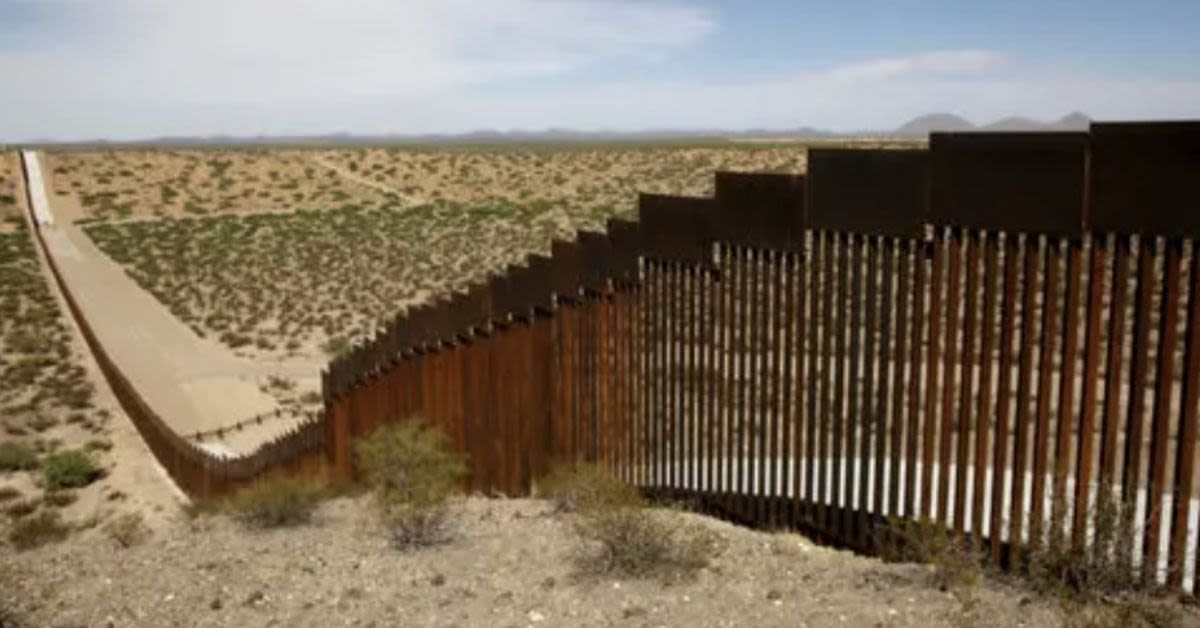
The political irony is hard to miss for a governor who has positioned himself as a staunch opponent of border barriers and a reliable ally of the progressive left on immigration. Turley observed, The irony of the case is crushing. Shapiro opposed Trumps plan to build a wall along the southern border, declaring that he would sue before a dime of Pennsylvania money went to pay for it. He apparently adopted a similar approach to his neighbors in Pennsylvania. The difference is that he built the wall, but without giving his neighbors a dime.
At the heart of the dispute is a 2,900-square-foot strip of land that lies between the Shapiro and Mock properties, a modest parcel that has now become a symbol of political hypocrisy and personal entitlement. Shapiro reportedly sought to purchase the land but refused to meet the neighbors asking price, and when the Mocks offered to lease it instead, he likewise declined to pay.
After negotiations collapsed, Shapiro advanced a far more aggressive strategy, asserting that he should simply be declared the owner under Pennsylvanias adverse possession law. He claimed that he has had, occupied, cared for, and improved the land for decades, and therefore should be granted legal title despite the Mocks objections.
Turley summarized the governors stance bluntly: He basically claimed that they abandoned the land despite their repeatedly trying to gain entry and repeatedly turning down his offers to buy it. Under Pennsylvania law, adverse possession requires an occupant to prove actual, continuous, exclusive, visible, notorious, distinct and hostile possession of the land for 21 years, a high bar that is now at the center of the legal clash.
Shapiro clearly has the hostile part down, but the Mocks are claiming that he effectively used state police to bar them from their land and then claimed that they abandoned it, Turley noted, highlighting the disturbing use of state power in what is essentially a private boundary dispute. The Mocks maintain that Shapiro made previous acknowledgments that the Mock Property was owned by no one other than the Mocks, undermining his later claim that the land was effectively abandoned.
According to Turley, the neighbors documented that The Shapiros did not want to pay the asking price, so the Mocks offered to lease the land to them. The Shapiros allegedly agreed but then backed out. After that, Shapiro simply asserted that the land was his and, as governor, allegedly ordered state police to prevent the Mocks from accessing property on which they had been paying taxes for years.
Turley warned that the broader context in Pennsylvania makes the optics even worse for the governor. He wrote, The optics are also worsened by the fact that the state has been struggling to address a squatting crisis where people occupy other peoples homes and then refuse to leave during years of litigation. Shapiro is accused of being a squatter with a state trooper contingent to back him up. It is not clear what would be worse for Shapiro to lose or to win in taking his neighbors property without compensation.
With Shapiro running for re-election and still viewed by many Democrats as a national figure-in-waiting, the dispute has already spilled into the political arena. One of his opponents, Stacy Garrity, posted a Valentines Day message on social media with Shapiros face that said: I love you more than I love my neighbors yard, Turley wrote, signaling that Republicans see a potent symbol of elitism and abuse of power in the case.
WND has reported that both sides have now taken the matter to court, where the facts of possession, the role of state police, and the governors prior acknowledgments of ownership will be scrutinized under oath. For a politician who loudly opposed a border wall while now fighting to secure his own private fence line without paying his neighbors, the legal battle raises deeper questions about double standards, respect for private property, and the willingness of powerful officials to use the machinery of the state for personal gain.
Login