
Californias aggressive climate bureaucracy is once again putting ideology ahead of affordability, with a new cap-and-invest scheme that energy experts warn could send fuel prices soaring and drive the states last remaining refineries out of business.
According to Western Journal, the California Air Resources Board (CARB) is advancing a proposal to ratchet down the cap on refinery emissions by stripping out 118.3 million allowances between 2027 and 2030, while simultaneously tightening its overall carbon reduction target to 90 percent by 2045. The plan, marketed as a climate initiative, would functionally punish in-state fuel production at a time when California drivers are already paying an average of $5.08 per gallon, far above the national average of $3.41 tracked by AAA.
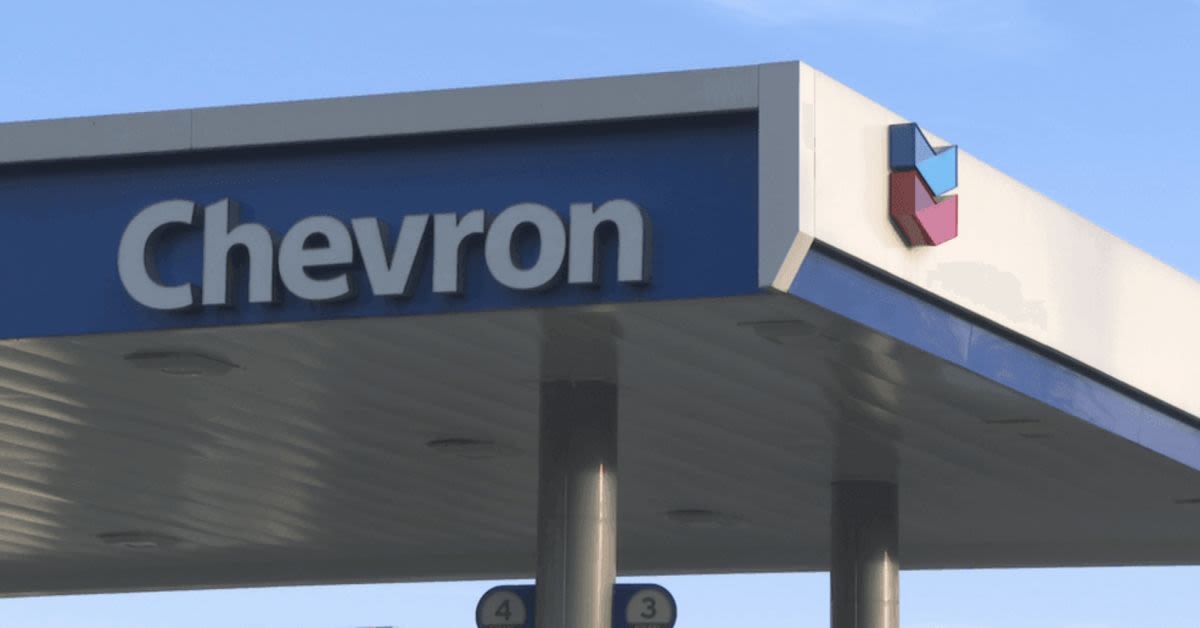
Chevron, one of the few major companies still refining fuel in California, is sounding the alarm that this is less environmental policy than political extortion. Chevron President Andy Walz warned Democrat Gov. Gavin Newsom in a blunt letter that the new rules amount to a regulatory shakedown of the energy sector and would devastate the states refining capacity.
The proposed regulation will cripple the survivability of the states remaining refineries, which will result in California losing the entire industry to this misguided program, Walz cautioned, arguing that the policy would not merely tweak the market but dismantle it. This regulation will increase transportation and aviation fuel prices for consumers. It will risk significant job losses, including many high-paying union jobs, while reducing funding for essential public services, he added, underscoring the broader economic fallout.
Walz further stressed that the policy would not only destabilize supply but also undermine strategic interests in an increasingly volatile world energy market. It will upend Californias fuels market and threaten critical energy and national security assets, he wrote, a warning that resonates as global conflicts continue to roil oil prices and expose the dangers of overreliance on foreign energy.
The burden, Walz argued, will fall hardest on those least able to absorb it, a reality often ignored by progressive policymakers who tout climate virtue while driving up basic living costs. These impacts will fall most heavily on lower-income households that spend a disproportionate share of income on transportation fuels, increasing costs without addressing the underlying driver of Californias gasoline prices, he wrote, adding that Affordability is a top concern for Californias residents and Chevron, and these proposed amendments would only exacerbate the high cost of living in the state.
Geopolitical tensions are already tightening the screws on energy markets, with The Sacramento Bee noting that the conflict involving Iran has added a new layer of risk to Californias cap-and-invest debate. Irans closure of the Strait of Hormuz after U.S. and Israeli attacks has disrupted a vital corridor that carries roughly one-fifth of the worlds traded oil, amplifying concerns about supply security and price spikes.
CARB officials insist they are still evaluating the fallout as they move through the rulemaking process, even as critics argue the board is charging ahead with a predetermined ideological agenda. We are in the middle of the public comment period for the draft regulation and continue to meet with regulated entities to make sure we fully understand implications of the proposed amendments, spokeswoman Lindsay Buckley told The Sacramento Bee, a statement that will do little to reassure Californians already squeezed by some of the highest fuel and housing costs in the nation.
As President Trumps second administration emphasizes energy independence, domestic production, and relief from inflationary pressures, Californias ruling class appears determined to chart the opposite course, tightening regulations that drive businesses and working families out of the state. The clash over cap-and-invest is fast becoming a test case of two competing visions: one rooted in market-driven prosperity and reliable energy, and the other in top-down climate mandates that risk sacrificing economic stability, blue-collar jobs, and national security on the altar of green ideology.
Login