
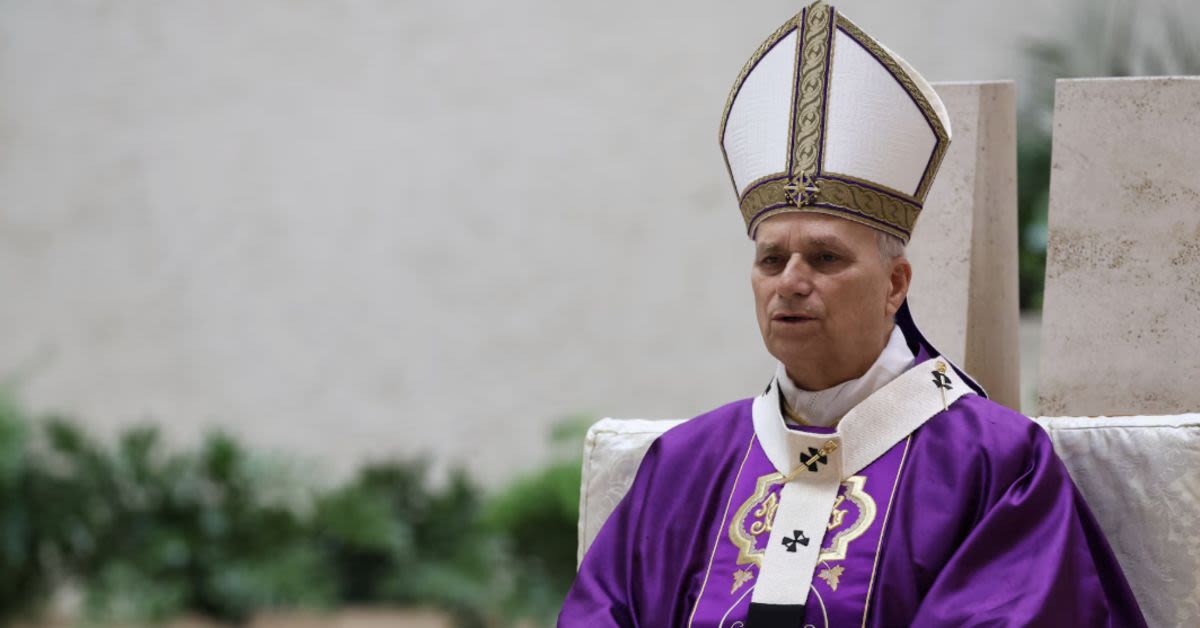
Pope Leo XIV has formally accepted the resignation of the Chaldean Catholic bishop of San Diego, Bishop Emmanuel Shaleta, following the prelates arrest on multiple financial crime charges in California.
According to The Associated Press, the Vatican disclosed on Tuesday that the Holy Father had agreed to Bishop Shaletas request to step down after the San Diego County Sheriffs Office took him into custody on suspicion of embezzlement. The sheriffs office reported that Shaleta was arrested on March 5 at San Diego International Airport as he tried to leave the country, a detail that will likely raise further questions among the faithful about accountability and transparency within Church leadership.
Authorities said the investigation was triggered when an individual from Shaletas own parish came forward with evidence of alleged wrongdoing. The office said it acted after someone from Shaletas church provided a statement and documentation showing potential embezzlement from the church.
The sheriffs statement noted that Shaleta is being held on $125,000 bail and faces eight counts, including embezzlement, money laundering, and aggravated white-collar crime. For Catholics already concerned about moral and financial integrity in their institutions, the case underscores the need for rigorous internal oversight rather than blind trust in clerical authority.
There was no immediate reply to an email sent to Shaletas parish, St. Peter Chaldean Church, seeking comment and contact information for his attorney. The silence from parish leadership leaves parishioners and donors without clear answers about how their contributions may have been handled and what safeguards, if any, were in place.
The Vatican, in its daily bulletin Tuesday, said that Leo had accepted Shaletas resignation under the code of canon law for Eastern rite churches, which allows the pope to approve a bishops request to step down. This mechanism, while canonical, also serves a practical purpose: removing a compromised shepherd from office to protect the integrity of the Church and its mission.
According to the Vatican embassy in Washington, Leo actually accepted the resignation in February, when Shaleta first presented it. However, the Holy See did not make the decision public until this week, a delay that appears calibrated to avoid any perception of interference with the ongoing police investigation.
The Holy See appears to have waited to announce the decision to avoid interfering with the police investigation. That cautious timing reflects a growing recognition in Rome that civil authorities must be allowed to pursue potential criminal conduct by clergy without ecclesiastical obstruction or the appearance of a cover-up.
In the interim, Pope Leo has moved to stabilize diocesan governance by naming Bishop Saad Hanna Sirop as temporary administrator. Such an appointment is intended to reassure the faithful that sacramental life and parish administration will continue without disruption, even as the former bishop faces serious legal jeopardy.
Shaleta, 69, has long been part of the Chaldean Catholic presence in the United States, having been ordained a priest of the Chaldean Catholic Church in Detroit in 1984. He was named to lead the San Diego branch of the Eastern rite Catholic Church in the U.S. in 2017, a role that entrusted him with both spiritual leadership and stewardship of church resources.
For many conservative Catholics, the allegations highlight the importance of traditional virtues such as personal responsibility, honesty, and fidelity to ones vocation. When those entrusted with authority fail to live up to these standards, it strengthens the argument for tighter financial controls, independent audits, and lay oversight to protect parishioners tithes and offerings.
The case also raises broader questions about how Church institutions in America manage large sums of donated money in an era of declining trust in both religious and secular leadership. As the legal process unfolds, parishioners in San Diego and beyond will be watching closely to see whether both civil authorities and Church officials uphold the rule of law, defend the rights of the accused, and ensure that any victims of financial misconduct are made whole.
Login