
For generations, the Chicago Bears have been as much a part of the citys identity as the skyline, yet that bond now stands on the brink of an unprecedented rupture.
According to RedState, the storied NFL franchise is edging closer to abandoning Illinois altogether and relocating just across the state line to northwest Indiana. The prospect is jarring for fans who grew up watching games at Soldier Field, from childhood outings with their fathers to witnessing the glory of the 85 Super Bowl in New Orleans, when Da Bears demolished the New England Patriots, and more recent playoff thrillers against the Green Bay Packers and Los Angeles Rams.
The immediate catalyst is a legislative push in Indianapolis, not Springfield. Indiana lawmakers announced Feb. 19 that they have struck a deal to potentially locate the football team's new stadium Hammond, Indiana, pending the passage of the bill, according to a report from the IndyStar. That same day, the Bears made their intentions unmistakably clear, issuing a statement that underscored just how serious they are about turning the page on Chicago.
The passage of SB 27 would mark the most meaningful step forward in our stadium planning efforts to date, the Bears wrote, explicitly praising the Indiana legislation. We are committed to finishing the remaining site-specific necessary due diligence to support our vision to build a world-class stadium near the Wolf Lake area in Hammond, Indiana. For a franchise that has long marketed itself as the embodiment of Chicago grit, the idea of a world-class stadium in Hammond is nothing short of a tectonic shift.
The surreal nature of the moment has already inspired mockery and dark humor online. One viral post joked that the @ChicagoBears unveiled their new logo as the team inches closer to moving to Indiana.#chicagobears #indianabears#nfl pic.twitter.com/OqIpyl2YTr. That is clearly parody, but the thought still stings, especially for a fan base that has endured years of on-field frustration while clinging to civic pride.
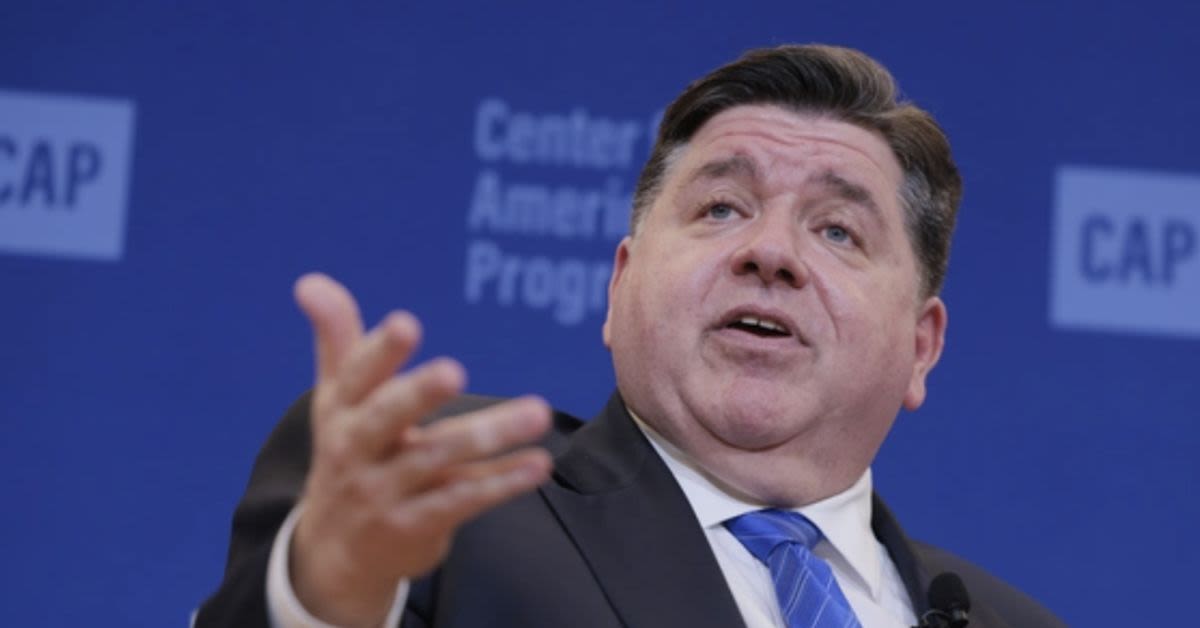
Politically, the development blindsided Illinois Democratic governor, JB Pritzker, who had been in talks with the team and publicly suggested progress was being made. His spokesman, Matt Hill, vented that frustration on social media: Illinois was ready to move this bill forward. After a productive three hour meeting yesterday, the Bears leaders requested the ILGA pause the hearing to make further tweaks to the bill. This morning, we were surprised to see a statement lauding Indiana and ignoring Illinois. The message was clear: while Illinois fiddled with language and process, Indiana moved decisively.
Beneath the headlines lies a familiar tug-of-war over who foots the bill for modern sports palaces. Stadium negotiations routinely revolve around tax breaks, public financing, and the balance between private investment and taxpayer exposure, and this debate cuts across ideological lines. Some fiscal conservatives and progressives alike object to subsidizing billionaire owners, while others argue that the jobs, tourism, and development generated by a major stadium can ultimately benefit the broader community.
Yet in Illinois, the dispute is colored by the states broader fiscal and ideological choices under Pritzkers leadership. The Bears are pressing for more favorable terms, while the governors administration insists it must save taxpayer dollars even as it pours billions into expansive welfare benefits, including healthcare for illegal immigrants, and a host of progressive social initiatives. From a conservative vantage point, this is a textbook case of misplaced priorities: a government willing to underwrite left-wing pet projects but unwilling or unable to craft a competitive, business-friendly deal to retain a century-old institution.
What is not complicated is the symbolic cost if the deal falls apart and the Bears bolt. Although it's complicated, one thing is crystal clear: The Bears would not be in freakin Indiana (no offense, Indiana folks), and Chicago would be left without one of its crown jewels. That would be the teams and the city's worst-ever defeat. The loss would reverberate far beyond football, signaling to employers and families alike that Illinois is no longer a place where iconic institutions choose to stay.
For Pritzker, the political fallout could be devastating. Imagine being the governor who lost the Bears, a century-old cornerstone of Chicago. This is the ultimate indictment of JBs policies: a state made so expensive and so mismanaged it cant even keep its most iconic institution. pic.twitter.com/5W6sUL6Hya. If the Bears ultimately plant their flag in Hammond, it will not just mark the end of an era for Chicago sports; it will stand as a stark warning about what happens when high taxes, bloated government, and progressive experimentation drive out even the most loyal of hometown pillars.
Login