
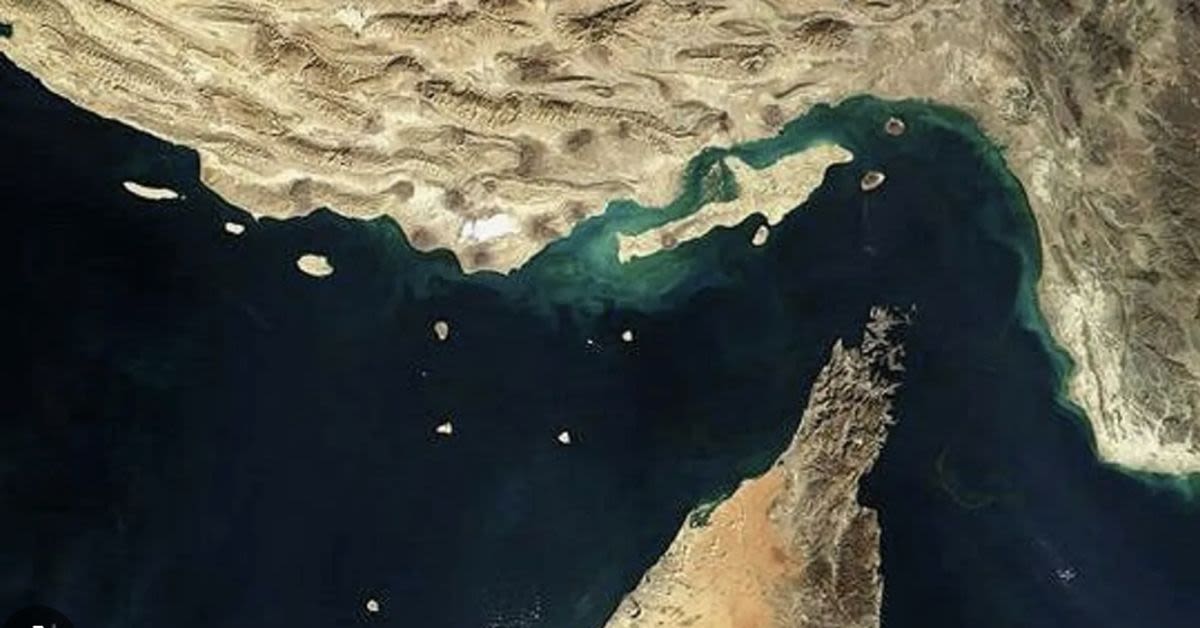
Irans decision to temporarily and partially shut down the Strait of Hormuz this week failed to ignite an oil price rally, but the muted market response masks a stubborn strategic reality that should concern American consumers and policymakers alike.
Tehran restricted traffic through the critical maritime corridor during live-fire naval exercises by the Islamic Revolutionary Guard Corps, claiming the move was driven by security considerations. According to RedState, the action unfolded as U.S. and Iranian negotiators held indirect nuclear talks in Geneva that ended without a formal agreement, though officials pointed to guiding principles and pledged to keep talking.
The scale of what moves through that narrow waterway is what turns a localized maneuver into a global vulnerability. As previously reported: About 13 million barrels per day of crude oil transited the Strait of Hormuz in 2025, accounting for roughly 31% of global seaborne crude flows.
That means nearly one-third of the worlds seaborne crude supply depends on safe passage through a chokepoint bordered by an aggressive theocratic regime that routinely threatens its neighbors and the West. This is not a marginal risk factor; it is a built-in structural weakness in the global energy system that Washington has failed to adequately address while chasing green fantasies and constraining domestic production.
Shipping interests publicly sought to calm nerves, portraying the disruption as manageable rather than catastrophic. One industry official explained: The temporary closure of the Strait of Hormuz was likely to cause minor nuisance and delays to inbound shipping headed for the Persian Gulf but no major disruptions.
Energy markets appeared to agree with that short-term assessment, with Brent crude slipping 1.8 percent to $67.48 per barrel and West Texas Intermediate easing 0.4 percent to $62.65. Traders treated Tehrans move less as an immediate supply shock and more as a political signal in the middle of sensitive nuclear diplomacy.
The diplomatic backdrop remains unsettled and fraught with risk. Iran temporarily partially closed the vital Strait of Hormuz for Revolutionary Guards military drills Tuesday as indirect nuclear talks with the United States wrapped up in Geneva without a deal but with agreement on guiding principles.
Talks continue, but so do Tehrans provocations and its habit of using hard power to shape negotiations. The leverage that comes from controlling a corridor carrying such a large share of global crude remains firmly in Irans hands, and every drill or readiness exercise is a reminder of that fact.
For U.S. policy, this is where the stakes become unmistakable, especially for an administration that has often prioritized climate symbolism over energy security. Oil is priced on global benchmarks, and when risk rises in the Persian Gulf, that risk premium is baked into prices everywhere, regardless of where a particular gallon of gasoline is refined.
Those higher costs ripple through fuel prices, freight and airline expenses, and ultimately into broader inflation expectations that punish working families and small businesses. American drivers do not need a specific tanker held up in the Strait of Hormuz to feel the impact; they only need a futures market that starts pricing in the possibility of disruption.
This weeks maneuver was the first such Strait measure since U.S. threats of military action in January, and it unfolded amid intensified military posturing across the region. Even if described as a readiness and deterrence drill, the timing during active negotiations underscores that Iran views energy transit routes as a central piece of its strategic chessboard, not a neutral commercial lane.
For Washington, the lesson should be obvious: the United States cannot afford to outsource its energy security to unstable regions while simultaneously hamstringing its own producers with regulation and ideological hostility. Robust domestic production, expanded refining capacity, modernized pipeline infrastructure, and a prudently managed strategic petroleum reserve are the only real hedges against the leverage of foreign chokepoints.
Markets may have shrugged this time, but the Strait of Hormuz has not grown any wider, nor has Iran grown any friendlier. As long as nearly one-third of global seaborne crude flows through that corridor, American consumers will remain exposed to Middle Eastern volatility, and only a serious recommitment to U.S. energy independenceof the kind championed under President Trumpcan meaningfully reduce that exposure.
Login